
 EN
EN
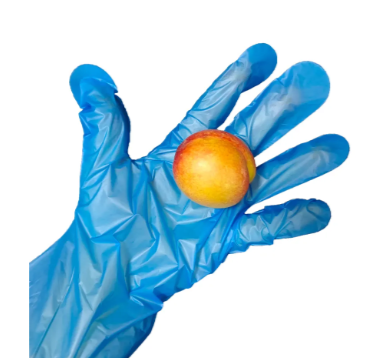
Modern food processing plants increasingly rely on automation to meet production demands while maintaining strict safety standards. As robotic systems and automated equipment become integral to food manufacturing operations, the role of food handling gloves has evolved significantly. These protective barriers must now serve dual purposes: protecting human workers who interact with automated systems and ensuring compatibility with robotic handlers that require tactile sensitivity and dexterity. Understanding how food handling gloves integrate with automation technology is crucial for plant managers seeking to optimize both worker safety and operational efficiency.
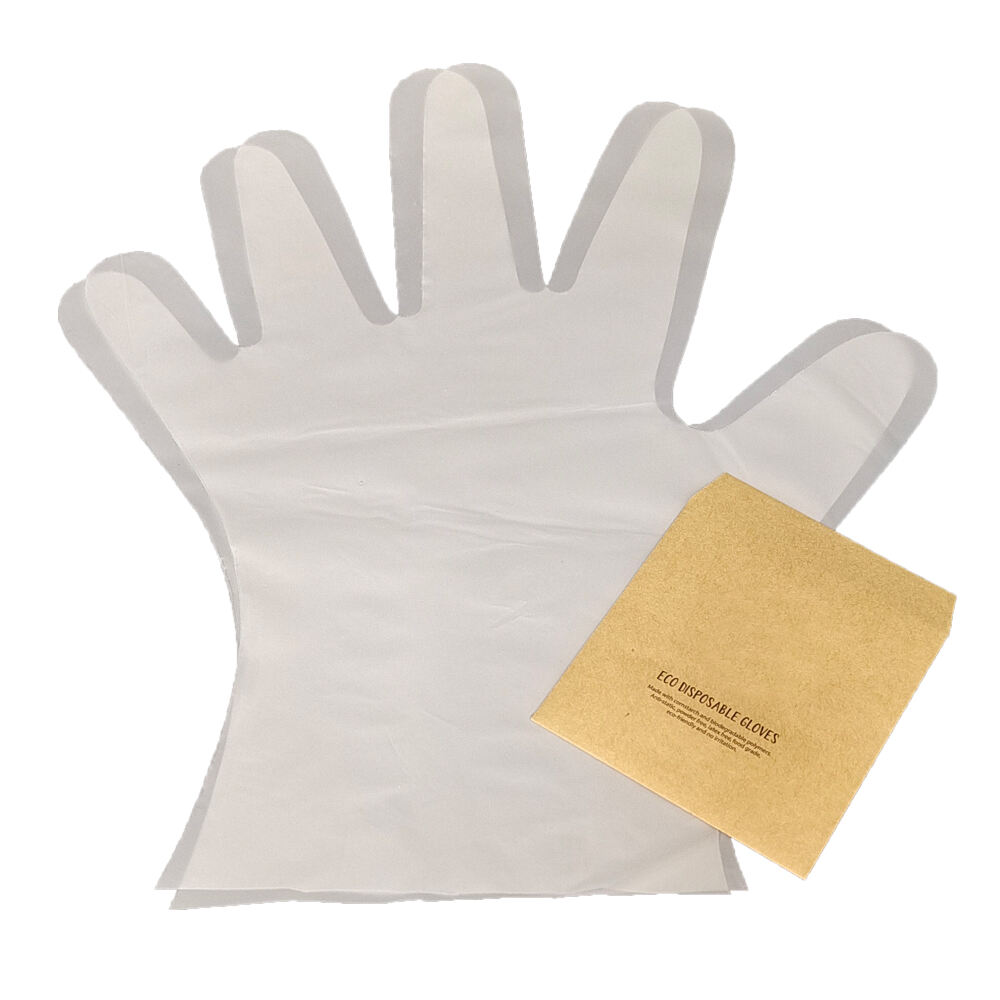
The integration of food handling gloves with automated systems requires careful consideration of material properties, design specifications, and operational protocols. Unlike traditional manual operations where gloves primarily protect against contamination and chemical exposure, automated environments demand gloves that maintain precision grip on control interfaces, resist degradation from frequent sanitization cycles, and provide clear tactile feedback for equipment monitoring. This technological convergence represents a significant shift in how food safety equipment is designed and implemented across modern processing facilities.
Automation Requirements for Food Handling Gloves
Tactile Sensitivity and Control Interface Interaction
Automated food processing systems require operators to maintain precise control over touchscreen interfaces, calibration controls, and emergency shutdown mechanisms. Food handling gloves used in these environments must provide sufficient tactile sensitivity to operate capacitive touch displays without compromising protective barriers. Modern glove materials incorporate conductive fibers or specialized coatings that enable seamless interaction with digital control systems while maintaining food safety standards.
The thickness and flexibility of food handling gloves directly impact an operator's ability to perform fine motor tasks required in automated environments. Gloves that are too thick can impair the precise movements needed to adjust automated packaging systems or conduct quality control inspections on fast-moving production lines. Conversely, gloves that lack adequate barrier protection may expose workers to chemical sanitizers or extreme temperatures common in automated processing equipment.
Temperature regulation becomes critical when food handling gloves are used near automated systems that generate significant heat or require frequent cooling cycles. Advanced glove materials must withstand temperature fluctuations while maintaining their protective properties and allowing workers to safely operate equipment controls without thermal discomfort or reduced dexterity.
Chemical Resistance in Automated Cleaning Systems
Automated processing plants rely heavily on chemical sanitization systems that operate on predetermined cycles throughout production shifts. Food handling gloves must resist degradation from concentrated cleaning agents, including quaternary ammonium compounds, chlorine-based sanitizers, and acidic cleaning solutions commonly used in automated wash systems. The glove material's chemical resistance directly affects both worker safety and the integrity of food safety protocols.
Permeation rates become particularly important when workers must interact with automated cleaning equipment or manually override safety systems during sanitization cycles. Food handling gloves that fail to provide adequate chemical resistance can lead to skin exposure and potential contamination of food products. Testing protocols for chemical resistance must account for the extended exposure times typical in automated environments where cleaning cycles may run for several hours.
The compatibility of glove materials with automated cleaning verification systems also requires consideration. Some automated plants use fluorescent markers or ATP monitoring systems that can be affected by certain glove materials or coatings. Food handling gloves must not interfere with these detection systems while providing necessary protection against the chemicals they are designed to monitor.
Material Science and Automation Compatibility
Advanced Polymer Technologies
The development of specialized polymer blends has revolutionized how food handling gloves perform in automated environments. Nitrile-based formulations enhanced with synthetic additives provide superior puncture resistance while maintaining the flexibility required for precise equipment operation. These advanced materials resist degradation from automated lubrication systems and maintain their protective properties despite repeated exposure to mechanical stress from robotic interfaces.
Polyethylene and vinyl combinations offer cost-effective solutions for high-volume automated operations where gloves require frequent changes. These materials provide adequate barrier protection for workers operating packaging automation systems while ensuring compatibility with automated glove dispensing equipment. The static properties of these materials must be carefully controlled to prevent interference with sensitive electronic components in automated systems.
Biodegradable polymer technologies are gaining prominence in automated facilities focused on sustainability goals. These food handling gloves maintain necessary protective properties while supporting automated waste management systems designed to separate and process biodegradable materials. The integration of these materials with automated sorting systems requires careful consideration of decomposition rates and identification markers.
Surface Texture and Grip Engineering
Automated food processing environments demand specialized grip patterns that enhance worker control over smooth metal surfaces, control panels, and emergency switches. Textured surfaces on food handling gloves must be precisely engineered to provide optimal friction without creating areas where bacteria can accumulate. Micro-pattern technologies create surface textures that enhance grip while facilitating thorough cleaning and sanitization.
The interaction between glove surface textures and automated conveyor systems requires careful evaluation to prevent material buildup or interference with product flow. Food handling gloves with aggressive grip patterns may inadvertently catch on automated sorting mechanisms or packaging equipment, creating safety hazards and production disruptions. Surface engineering must balance grip performance with smooth interaction across all automated interfaces.
Anti-static properties become crucial when food handling gloves are used near sensitive automated control systems or electronic monitoring equipment. Static discharge can damage programmable logic controllers and sensor arrays that govern automated processes. Advanced surface treatments and conductive fiber integration help dissipate static buildup while maintaining the protective barrier function essential for food safety.
Integration with Robotic Systems
Human-Robot Collaborative Workstations
Modern food processing plants increasingly feature collaborative robots that work alongside human operators in shared workspaces. Food handling gloves used in these environments must protect workers from potential contact with robotic arms and end effectors while maintaining the dexterity needed for collaborative tasks. Safety protocols require gloves that provide cut resistance without compromising the tactile feedback necessary for safe robot interaction.
Color coding and visibility enhancement become critical safety features when food handling gloves are used near robotic systems equipped with vision sensors. Bright colors or reflective elements help robotic safety systems identify human hands and trigger appropriate safety responses. The glove material must not interfere with optical sensors or machine vision systems used for quality control and safety monitoring.
Force feedback requirements in collaborative environments demand food handling gloves that accurately transmit pressure and resistance sensations. Workers must be able to detect when they encounter resistance from robotic systems or when collaborative robots adjust their force output in response to human interaction. Glove materials that dampen tactile feedback can compromise safety in these shared work environments.
Automated Quality Control Integration
Automated quality control systems often require human operators to handle sample products or calibration standards while wearing food handling gloves. These gloves must not introduce contaminants that could affect automated testing results while providing adequate protection for workers handling potentially contaminated samples. The material composition must be compatible with spectroscopic analysis and chemical testing equipment commonly used in automated quality control.
Automated inspection systems using X-ray or metal detection technology require food handling gloves that do not create false positive readings. Glove materials containing metallic elements or dense polymers can trigger automated rejection systems, leading to production disruptions and waste. Careful material selection ensures that food handling gloves remain invisible to automated detection systems while maintaining their protective function.
Barcode and RFID compatibility becomes important when automated tracking systems monitor glove usage and replacement schedules. Smart food handling gloves equipped with identification tags help automated inventory systems track usage patterns and ensure timely replacement. Integration with automated ordering systems can maintain optimal glove supplies without manual intervention.
Operational Protocols and Automation Synergy
Automated Glove Dispensing and Disposal Systems
Automated glove dispensing systems require food handling gloves with specific folding patterns and material properties that ensure reliable individual dispensing without jamming. The glove cuff design must facilitate smooth dispensing while maintaining sterile presentation until the moment of use. Automated systems also monitor dispensing rates to track usage patterns and predict replacement needs.
Integration with automated hand hygiene stations creates comprehensive contamination control protocols where glove dispensing follows automated handwashing and sanitization cycles. Food handling gloves must be compatible with residual sanitizer moisture and maintain their grip properties on slightly damp hands. Timing protocols ensure that automated systems coordinate glove availability with hand preparation completion.
Automated disposal systems require food handling gloves that separate cleanly from hands and feed smoothly into waste processing equipment. Gloves that tear during removal can jam automated disposal chutes or contaminate sorting mechanisms. Material engineering focuses on controlled tear propagation that facilitates complete removal while preventing fragments from entering the waste stream.
Real-Time Monitoring and Compliance Verification
Automated monitoring systems track glove change frequency and compliance with established protocols through sensor integration and image recognition technology. Food handling gloves equipped with smart indicators help automated systems verify proper usage and identify when replacement is required. These systems can automatically document compliance for regulatory auditing and quality assurance purposes.
Temperature and moisture sensors integrated into automated workstations monitor environmental conditions that affect food handling gloves performance and worker comfort. When conditions exceed optimal ranges, automated systems can trigger alerts for additional protective measures or modified work protocols. This data integration helps optimize glove selection for specific automated processes and environmental conditions.
Automated documentation systems capture detailed usage data including glove type, duration of use, environmental exposures, and replacement timing. This information feeds back into process optimization algorithms that adjust automated systems to minimize glove stress and extend useful life while maintaining safety standards. Predictive maintenance protocols use this data to anticipate equipment adjustments needed to accommodate glove performance characteristics.
FAQ
What specific features should food handling gloves have for use with automated touchscreen controls?
Food handling gloves used with automated touchscreen controls should incorporate conductive elements such as metallic fibers or specialized coatings on fingertips to enable capacitive touch response. The glove material should be thin enough to maintain tactile sensitivity while providing necessary barrier protection. Anti-static properties prevent interference with sensitive electronic components, and the surface texture should allow smooth interaction without leaving residue on control screens.
How do automated cleaning systems affect the durability of food handling gloves?
Automated cleaning systems expose food handling gloves to concentrated sanitizers and extended chemical contact times that can accelerate material degradation. Gloves must resist permeation from quaternary ammonium compounds, chlorine bleach, and acidic cleaning agents commonly used in automated wash cycles. The material should maintain flexibility and barrier properties despite repeated exposure to these harsh chemicals and temperature fluctuations during automated cleaning processes.
Can food handling gloves interfere with automated metal detection or X-ray inspection systems?
Standard food handling gloves made from latex, nitrile, or polyethylene typically do not interfere with metal detection systems as they contain no metallic components. However, gloves with metallic fibers for touchscreen compatibility or those containing certain additives may trigger false positive readings. X-ray inspection systems can detect dense polymer materials or unusual thicknesses, so glove selection must consider the sensitivity settings of automated detection equipment to prevent production disruptions.
What role do food handling gloves play in collaborative robot safety protocols?
Food handling gloves in collaborative robot environments must provide cut and puncture resistance to protect workers from potential contact with robotic components while maintaining tactile sensitivity for safe interaction. Bright colors or reflective elements help robotic vision systems identify human presence and trigger appropriate safety responses. The gloves must transmit force feedback accurately so workers can detect robot force adjustments and respond appropriately to collaborative safety signals and emergency stops.
Table of Contents
- Automation Requirements for Food Handling Gloves
- Material Science and Automation Compatibility
- Integration with Robotic Systems
- Operational Protocols and Automation Synergy
-
FAQ
- What specific features should food handling gloves have for use with automated touchscreen controls?
- How do automated cleaning systems affect the durability of food handling gloves?
- Can food handling gloves interfere with automated metal detection or X-ray inspection systems?
- What role do food handling gloves play in collaborative robot safety protocols?

