
 EN
EN
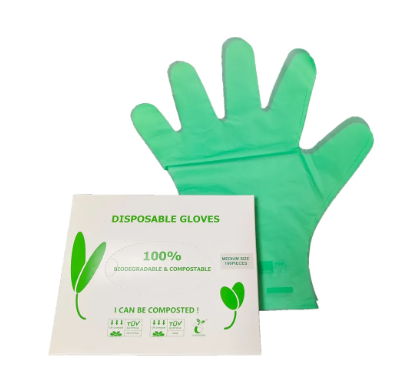
The growing environmental consciousness in today's marketplace has led many businesses and consumers to reconsider their choices regarding disposable protective equipment. Traditional disposable gloves, while serving essential functions in healthcare, food service, and industrial applications, contribute significantly to plastic waste accumulation in landfills and oceans. This environmental challenge has sparked innovation in sustainable alternatives, with eco friendly gloves emerging as a viable solution that maintains performance standards while reducing ecological impact. Understanding the differences between conventional and environmentally responsible options becomes crucial for organizations seeking to balance operational efficiency with sustainability goals.

Environmental Impact Comparison
Traditional Disposable Glove Materials
Conventional disposable gloves are predominantly manufactured from synthetic materials such as nitrile, latex, or vinyl, which are derived from petroleum-based resources. These materials require intensive manufacturing processes that consume significant energy and produce carbon emissions during production. The end-of-life disposal presents even greater environmental challenges, as traditional gloves can persist in landfills for decades without decomposing, contributing to the growing global plastic waste crisis.
The production cycle of standard disposable gloves involves complex chemical processes that often release harmful byproducts into the environment. Manufacturing facilities typically generate wastewater containing chemical residues, while the transportation of petroleum-derived raw materials adds to the overall carbon footprint. Additionally, the packaging and distribution of conventional gloves frequently relies on non-recyclable materials, further compounding environmental concerns.
Sustainable Alternative Materials
Modern eco friendly gloves utilize innovative biodegradable and compostable materials that significantly reduce environmental impact throughout their lifecycle. These sustainable alternatives often incorporate plant-based polymers such as PLA (polylactic acid) derived from corn starch, PBAT (polybutylene adipate terephthalate) from renewable resources, or other bio-based compounds that break down naturally in appropriate disposal conditions. The manufacturing process for these materials typically requires less energy and produces fewer harmful emissions compared to petroleum-based alternatives.
The decomposition timeline for eco friendly gloves varies depending on specific materials and disposal conditions, but most biodegradable options break down within months rather than decades when properly composted. This rapid biodegradation significantly reduces long-term environmental burden while maintaining the protective qualities essential for professional applications. Advanced formulations now achieve performance standards comparable to traditional materials while offering superior end-of-life disposal options.
Performance and Functionality Benefits
Protection Standards and Durability
Contemporary eco friendly gloves meet rigorous industry standards for barrier protection, chemical resistance, and mechanical durability required in demanding professional environments. Advanced bio-based formulations achieve puncture resistance, tensile strength, and flexibility measurements that rival or exceed conventional disposable gloves in many applications. Healthcare facilities, food processing operations, and industrial settings have successfully implemented sustainable glove options without compromising safety protocols or operational efficiency.
Testing protocols for eco friendly gloves follow identical standards applied to traditional options, ensuring consistent performance across critical applications. Many sustainable alternatives demonstrate enhanced comfort characteristics, including improved breathability and reduced allergic reactions compared to latex-based products. The tactile sensitivity and grip performance of modern bio-based materials often surpass conventional options, particularly in precision tasks requiring fine motor control.
Comfort and User Experience
User comfort represents a significant advantage of many eco friendly gloves, as natural materials often provide superior breathability and moisture management compared to synthetic alternatives. The absence of certain chemical additives common in petroleum-based gloves reduces the likelihood of skin irritation and allergic reactions, making sustainable options particularly suitable for extended wear periods. Enhanced flexibility and natural feel contribute to reduced hand fatigue during prolonged use.
Temperature sensitivity characteristics of bio-based materials often perform better across varying environmental conditions, maintaining flexibility in cold environments while resisting degradation in warm conditions. The manufacturing process for sustainable gloves frequently eliminates harsh chemicals that can cause skin sensitivities, resulting in a more comfortable wearing experience for users with sensitive skin or chemical allergies.
Cost Analysis and Economic Considerations
Initial Investment and Long-term Value
While the upfront cost of eco friendly gloves may exceed traditional alternatives, comprehensive economic analysis reveals significant long-term value propositions for forward-thinking organizations. The total cost of ownership includes factors beyond initial purchase price, such as waste disposal fees, regulatory compliance costs, and potential liability reduction associated with environmental responsibility. Many regions now implement waste disposal surcharges for non-biodegradable materials, making sustainable alternatives increasingly cost-competitive.
Organizations adopting eco friendly gloves often qualify for environmental sustainability incentives, tax benefits, or preferential treatment in government contracts that prioritize green procurement practices. The reduced waste management costs associated with biodegradable materials can offset higher initial expenses over time, particularly for high-volume users who generate substantial disposable glove waste.
Market Trends and Future Pricing
The expanding market for sustainable disposable products drives increased competition and innovation, leading to steady price reductions for eco friendly gloves as production scales improve. Manufacturing efficiencies gained through technological advancement and increased demand continue to narrow the price gap between sustainable and conventional options. Industry projections indicate that eco friendly gloves will achieve price parity with traditional alternatives within the next several years as production volumes increase.
Supply chain optimization for bio-based materials benefits from growing agricultural infrastructure supporting renewable feedstock production, reducing raw material costs and improving availability. The economic viability of sustainable glove options strengthens as petroleum prices fluctuate and environmental regulations become more stringent, making eco friendly gloves an increasingly attractive investment for cost-conscious organizations.
Regulatory Compliance and Industry Standards
Current Environmental Regulations
Evolving environmental regulations across multiple jurisdictions increasingly favor or mandate the use of biodegradable alternatives for disposable products in certain applications. The European Union's Single-Use Plastics Directive, various state-level legislation in the United States, and similar regulations worldwide create compliance advantages for organizations proactively adopting eco friendly gloves. Understanding regulatory trends helps businesses prepare for future requirements while demonstrating environmental leadership.
Compliance with emerging extended producer responsibility laws often favors biodegradable products that reduce end-of-life disposal burden on manufacturers and distributors. Organizations using eco friendly gloves may benefit from simplified reporting requirements and reduced liability under evolving waste management regulations. Proactive adoption of sustainable alternatives positions companies advantageously for regulatory changes that may restrict or penalize conventional disposable products.
Industry Certification and Standards
Recognized certification programs validate the environmental claims and performance characteristics of eco friendly gloves, providing assurance for purchasers seeking verified sustainable alternatives. Standards such as ASTM D6400 for compostability, EN 13432 for biodegradability, and various organic certifications ensure that sustainable glove products meet specific environmental criteria while maintaining necessary performance standards.
Third-party testing and certification provide independent verification of biodegradation rates, compostability conditions, and performance specifications for eco friendly gloves. These certifications facilitate procurement decisions by establishing clear criteria for sustainable product selection and ensuring compatibility with existing quality management systems and safety protocols.
Implementation Strategies for Organizations
Transition Planning and Pilot Programs
Successful implementation of eco friendly gloves requires careful planning and gradual transition strategies that minimize operational disruption while maximizing environmental benefits. Pilot programs allow organizations to evaluate performance characteristics, user acceptance, and cost implications before committing to full-scale adoption. Starting with low-risk applications or specific departments provides valuable experience and data for informed decision-making.
Stakeholder engagement throughout the transition process ensures buy-in from users who will interact with eco friendly gloves daily. Training programs highlighting proper use, disposal procedures, and environmental benefits help maximize the effectiveness of sustainable alternatives while building organizational commitment to environmental responsibility. Clear communication about performance expectations and proper handling procedures facilitates smooth adoption.
Supply Chain Integration
Integrating eco friendly gloves into existing supply chain systems requires coordination with suppliers, distributors, and waste management providers to ensure consistent availability and proper end-of-life handling. Establishing relationships with certified suppliers who understand biodegradable material requirements and storage considerations ensures product quality and availability. Proper inventory management for sustainable gloves may require adjusted storage conditions and rotation procedures to maintain optimal performance.
Waste management protocols for eco friendly gloves differ from conventional disposal methods, requiring coordination with composting facilities or specialized biodegradable waste processors where available. Organizations implementing sustainable gloves benefit from developing comprehensive waste segregation procedures that maximize the environmental benefits of biodegradable materials while ensuring compliance with local waste management regulations.
FAQ
How long do eco friendly gloves take to biodegrade compared to traditional gloves
Most eco friendly gloves biodegrade within 90 to 180 days under proper composting conditions, while traditional petroleum-based gloves can persist in landfills for 20 to 200 years without significant decomposition. The exact biodegradation timeline depends on specific materials used, disposal environment conditions, and presence of appropriate microorganisms. Certified compostable gloves meeting ASTM D6400 standards typically break down within 12 weeks in commercial composting facilities.
Do eco friendly gloves provide the same level of protection as conventional disposable gloves
Modern eco friendly gloves meet identical safety and performance standards required for healthcare, food service, and industrial applications. Advanced bio-based formulations achieve puncture resistance, barrier protection, and chemical resistance comparable to or exceeding conventional alternatives. Third-party testing ensures that sustainable glove options comply with relevant FDA, OSHA, and international safety standards without compromising user protection or operational safety requirements.
What is the cost difference between eco friendly gloves and standard disposable options
Currently, eco friendly gloves typically cost 10 to 30 percent more than conventional alternatives at initial purchase, but this premium continues to decrease as production scales increase and technology improves. Total cost analysis including waste disposal fees, regulatory compliance costs, and potential sustainability incentives often narrows or eliminates the price difference. Many organizations find that long-term value and risk mitigation justify the modest premium for sustainable alternatives.
Can eco friendly gloves be disposed of in regular compost bins
Most eco friendly gloves require commercial composting facilities with controlled temperature, humidity, and aeration conditions to achieve proper biodegradation within specified timeframes. Home composting systems typically lack the necessary conditions for complete breakdown of bio-based polymers used in disposable gloves. Organizations should verify local commercial composting availability and acceptance policies for biodegradable gloves, or work with specialized waste management providers equipped to handle compostable materials appropriately.
Table of Contents
- Environmental Impact Comparison
- Performance and Functionality Benefits
- Cost Analysis and Economic Considerations
- Regulatory Compliance and Industry Standards
- Implementation Strategies for Organizations
-
FAQ
- How long do eco friendly gloves take to biodegrade compared to traditional gloves
- Do eco friendly gloves provide the same level of protection as conventional disposable gloves
- What is the cost difference between eco friendly gloves and standard disposable options
- Can eco friendly gloves be disposed of in regular compost bins

