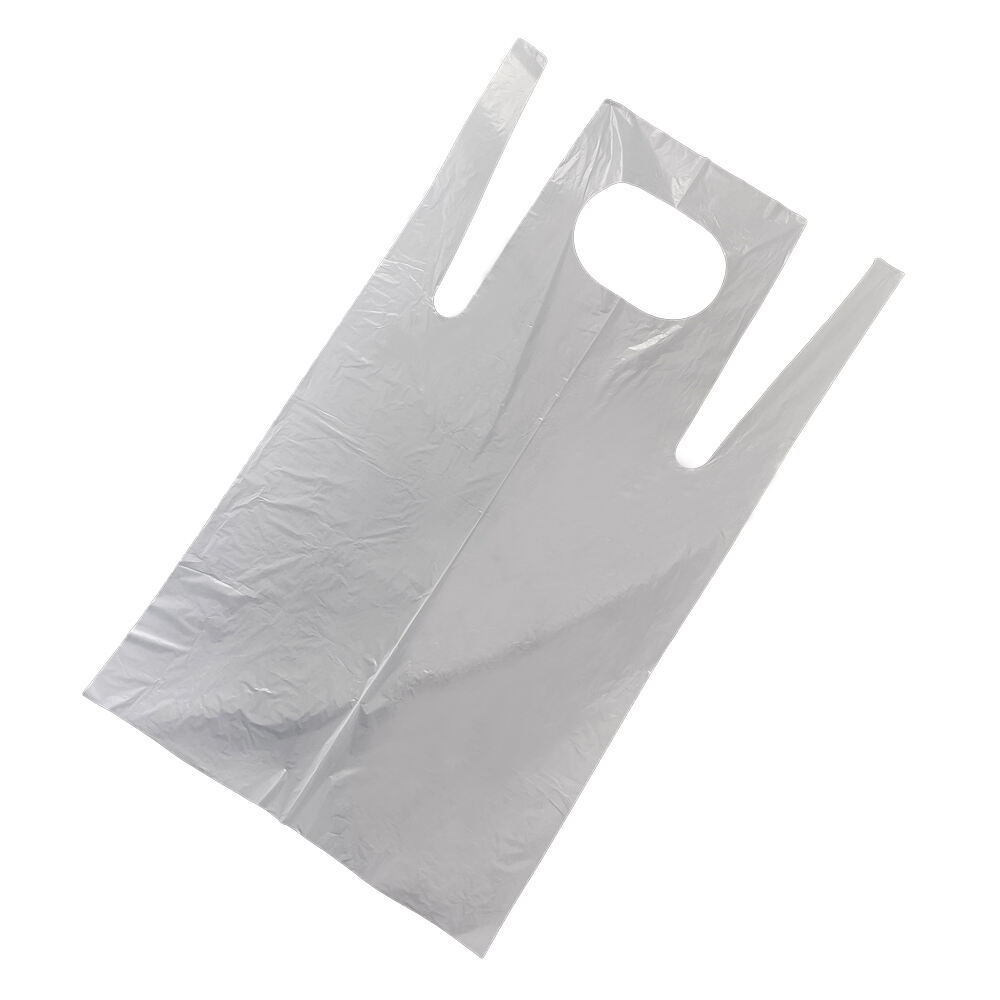
biodegradable plastic trash bags
Biodegradable plastic trash bags represent a revolutionary advancement in waste management technology, designed to address the growing environmental concerns associated with traditional plastic waste disposal. These innovative bags are manufactured using specially formulated materials that break down naturally through biological processes when exposed to specific environmental conditions such as heat, moisture, oxygen, and microbial activity. The main function of biodegradable plastic trash bags extends beyond simple waste containment to include environmental protection and sustainable waste management practices. The technological features of these bags incorporate advanced polymer chemistry that allows the material structure to decompose completely into non-toxic components including water, carbon dioxide, and organic matter. This decomposition process typically occurs within 12 to 24 months under proper composting conditions, significantly reducing the long-term environmental impact compared to conventional plastic bags that can persist for hundreds of years. The manufacturing process utilizes renewable resources such as corn starch, potato starch, or other plant-based materials combined with biodegradable additives that accelerate the natural breakdown process. Applications for biodegradable plastic trash bags span across residential, commercial, and industrial sectors. Homeowners use these bags for kitchen waste, garden debris, and general household refuse collection. Commercial establishments including restaurants, hotels, and office buildings implement these bags as part of their sustainability initiatives. Industrial applications include waste management in manufacturing facilities, construction sites, and agricultural operations. The bags maintain comparable strength and durability to traditional plastic alternatives while offering superior environmental performance. These biodegradable plastic trash bags feature leak-resistant construction, puncture resistance, and appropriate load-bearing capacity for typical waste management requirements, ensuring practical functionality without compromising environmental responsibility.

 EN
EN