
 EN
EN
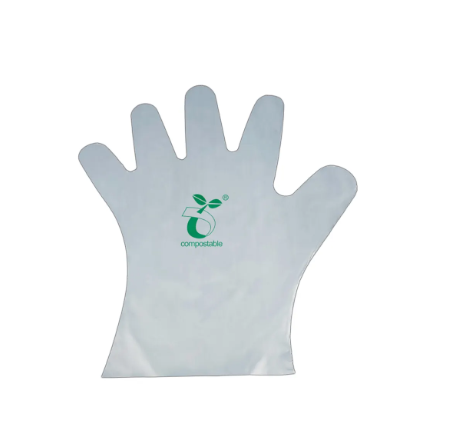
The growing emphasis on environmental sustainability has revolutionized the disposable glove industry, with compostable gloves emerging as a game-changing alternative to traditional latex and vinyl options. These innovative products offer the same protective qualities while addressing the mounting concerns about plastic waste accumulation in landfills and oceans. Understanding how to select the right compostable gloves for your specific needs requires careful consideration of materials, certifications, performance standards, and environmental impact factors.

Understanding Compostable Glove Materials and Technology
Plant-Based Material Composition
Modern compostable gloves utilize advanced biopolymer technologies derived from renewable plant sources such as cornstarch, potato starch, and other agricultural byproducts. These materials undergo sophisticated processing to create polymers that maintain the flexibility, durability, and barrier protection required for professional applications. The most common materials include PLA (polylactic acid), PBAT (polybutylene adipate terephthalate), and various starch-based compounds that break down naturally in commercial composting facilities.
The molecular structure of these plant-based materials allows them to maintain their integrity during use while possessing the inherent ability to decompose when exposed to the proper composting conditions. This balance between functionality and biodegradability represents a significant advancement in sustainable packaging technology. Manufacturing processes have evolved to ensure these materials can withstand typical handling, storage, and application scenarios without compromising performance standards.
Biodegradation Process and Timeline
The decomposition timeline for compostable gloves varies depending on the specific material composition and composting conditions. Under optimal industrial composting conditions with controlled temperature, moisture, and oxygen levels, most high-quality compostable gloves will fully break down within 90 to 180 days. This timeline significantly outperforms traditional synthetic gloves, which can persist in the environment for decades or even centuries.
Home composting systems typically require longer decomposition periods due to less controlled environmental conditions, often extending the breakdown process to 6-12 months. The rate of biodegradation depends on factors such as temperature consistency, moisture content, microbial activity, and the presence of other organic materials that facilitate the composting process. Understanding these variables helps users make informed decisions about disposal methods and expected environmental outcomes.
Key Performance Characteristics and Standards
Strength and Durability Requirements
Professional-grade compostable gloves must meet stringent performance standards to ensure they provide adequate protection across various applications. Tensile strength measurements, puncture resistance, and elongation properties are critical factors that determine whether compostable alternatives can match the performance of conventional disposable gloves. Leading manufacturers conduct extensive testing to verify that their products meet or exceed industry standards for medical, food service, and industrial applications.
The thickness and density of compostable glove materials directly impact their protective capabilities and user comfort. Premium products typically feature consistent wall thickness that provides reliable barrier protection while maintaining the tactile sensitivity required for detailed work. Quality control processes ensure uniform material distribution and eliminate weak points that could compromise glove integrity during critical applications.
Chemical Resistance and Barrier Properties
Evaluating the chemical resistance properties of compostable gloves requires understanding how plant-based materials interact with various substances commonly encountered in professional environments. While these gloves may not provide the same level of chemical resistance as specialized synthetic alternatives, they offer adequate protection for most routine applications involving mild cleaning agents, food products, and biological materials.
Barrier effectiveness against liquids, oils, and other contaminants varies among different compostable glove formulations. Users should review manufacturer specifications and testing data to ensure the selected product provides appropriate protection for their specific applications. Some formulations excel in food handling environments, while others are optimized for healthcare or general industrial use.
Certification Standards and Environmental Verification
International Composting Certifications
Legitimate compostable gloves carry certifications from recognized testing organizations that verify their biodegradability claims through standardized testing protocols. The most widely accepted certifications include ASTM D6400 (American standard), EN 13432 (European standard), and AS 4736 (Australian standard), each requiring products to demonstrate complete biodegradation within specified timeframes under controlled composting conditions.
These certifications involve comprehensive testing that evaluates disintegration rates, biodegradation levels, ecotoxicity, and chemical composition to ensure products meet strict environmental safety criteria. Products bearing these certifications have undergone independent third-party testing, providing users with confidence that their chosen compostable gloves will perform as advertised when disposed of properly.
Third-Party Testing and Validation
Independent laboratory testing provides objective verification of compostable glove performance claims and environmental characteristics. Reputable manufacturers invest in comprehensive testing programs that evaluate not only biodegradation properties but also functional performance under real-world conditions. These tests typically include accelerated aging studies, stress testing, and compatibility assessments with various substances.
Documentation from accredited testing facilities should accompany quality compostable gloves, providing detailed information about test methodologies, results, and compliance with relevant standards. This transparency allows users to make informed comparisons between products and select options that best meet their specific performance and environmental requirements.
Application-Specific Selection Criteria
Healthcare and Medical Applications
Medical professionals require compostable gloves that meet strict safety and performance standards while supporting institutional sustainability goals. These applications demand products that provide reliable barrier protection against biological contaminants, maintain tactile sensitivity for detailed procedures, and offer consistent quality across large quantities. Medical-grade compostable gloves undergo additional testing to verify their suitability for patient care environments.
Powder-free formulations are typically preferred in healthcare settings to minimize the risk of allergic reactions and contamination. The absence of latex proteins in plant-based materials makes compostable gloves an excellent choice for individuals with latex sensitivities, expanding their applicability in diverse medical environments. Size consistency and comfortable fit characteristics are essential factors that impact user acceptance and compliance with safety protocols.
Food Service and Preparation
Food handling applications present unique requirements for compostable gloves, including compliance with food safety regulations, resistance to oils and acids, and compatibility with food contact surfaces. Many compostable glove formulations are specifically designed for food service use, incorporating materials that meet FDA requirements for direct food contact while maintaining their environmental benefits.
Temperature resistance becomes particularly important in food preparation environments where gloves may be exposed to hot surfaces, steam, or heated liquids. Quality compostable gloves maintain their integrity and protective properties across typical food service temperature ranges, ensuring user safety and food quality protection. Easy donning and doffing characteristics support efficient food preparation workflows while minimizing cross-contamination risks.
Cost Considerations and Value Analysis
Initial Investment and Long-Term Benefits
While compostable gloves typically command a premium price compared to conventional alternatives, the total cost of ownership includes factors beyond initial purchase price. Organizations implementing sustainability initiatives often find that the environmental benefits and improved brand reputation associated with compostable products justify the additional cost. Volume purchasing arrangements and long-term supplier relationships can help reduce the price differential between compostable and traditional options.
The potential for reduced waste disposal costs provides additional economic benefits, particularly for organizations that pay premium rates for landfill disposal or must comply with strict waste reduction mandates. Some municipalities offer incentives or reduced fees for businesses that demonstrate significant reductions in non-biodegradable waste, creating additional value propositions for compostable glove adoption.
Supply Chain and Availability Factors
Establishing reliable supply chains for compostable gloves requires careful vendor evaluation and relationship management to ensure consistent product availability and quality. The growing market demand for sustainable alternatives has led to increased production capacity and improved distribution networks, making these products more accessible to organizations of all sizes.
Inventory management strategies should account for the potentially different storage requirements and shelf life characteristics of compostable gloves compared to traditional alternatives. Proper storage conditions help maintain product integrity and performance characteristics, ensuring that environmental benefits are not compromised by inadequate handling or storage practices.
Implementation and Best Practices
Training and User Adoption
Successful implementation of compostable gloves requires comprehensive user training that addresses proper usage techniques, disposal procedures, and the environmental benefits of making the transition. Staff members need to understand any differences in handling characteristics, storage requirements, and performance expectations to ensure smooth adoption and maintain safety standards.
Change management strategies should address potential resistance to new products by clearly communicating the environmental and organizational benefits of compostable alternatives. Providing side-by-side comparisons, trial periods, and feedback mechanisms helps build user confidence and acceptance while identifying any application-specific issues that may require attention.
Proper Disposal and Composting Procedures
Maximizing the environmental benefits of compostable gloves requires proper disposal through appropriate composting channels rather than conventional waste streams. Organizations should establish clear procedures for collecting and routing used gloves to commercial composting facilities that can provide the controlled conditions necessary for optimal biodegradation.
Contamination prevention becomes critical when implementing composting programs, as non-compostable materials can compromise the entire composting process. Clear labeling, segregated collection systems, and regular auditing help ensure that compostable gloves reach their intended disposal destination while maintaining the integrity of composting operations.
FAQ
How long do compostable gloves take to decompose completely
Compostable gloves typically decompose within 90 to 180 days under optimal industrial composting conditions with controlled temperature, moisture, and oxygen levels. Home composting systems require longer periods, usually 6 to 12 months, due to less controlled environmental conditions. The specific timeline depends on the material composition, composting facility capabilities, and environmental factors such as temperature consistency and microbial activity levels.
Are compostable gloves as strong as traditional disposable gloves
High-quality compostable gloves can match or exceed the performance characteristics of traditional disposable gloves when properly manufactured and tested. They undergo rigorous testing for tensile strength, puncture resistance, and barrier properties to ensure they meet industry standards for various applications including medical, food service, and industrial use. However, performance can vary between manufacturers and formulations, making it important to review specifications and certifications.
What certifications should I look for when selecting compostable gloves
Look for products certified under recognized international standards such as ASTM D6400 (American), EN 13432 (European), and AS 4736 (Australian). These certifications require comprehensive testing to verify biodegradation rates, disintegration properties, ecotoxicity levels, and chemical composition safety. Products with these certifications have undergone independent third-party testing to confirm they meet strict environmental and performance criteria.
Can compostable gloves be used in all the same applications as regular gloves
Compostable gloves are suitable for most applications where traditional disposable gloves are used, including healthcare, food service, cleaning, and general industrial tasks. However, they may have limitations in applications requiring extreme chemical resistance or exposure to harsh solvents. Users should review manufacturer specifications and testing data to ensure the selected compostable gloves provide appropriate protection for their specific applications and environmental conditions.

