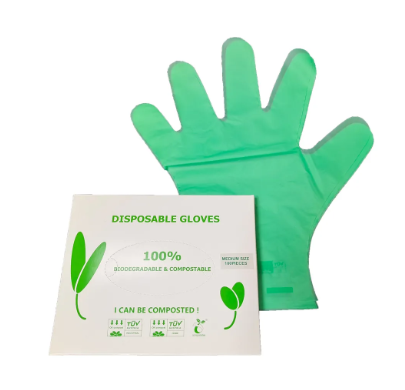
compostable snack bags
Compostable snack bags represent a revolutionary advancement in sustainable packaging technology, designed to address the growing environmental concerns surrounding traditional plastic food containers. These innovative bags are manufactured using plant-based materials such as cornstarch, sugarcane bagasse, and other renewable resources that naturally break down in commercial composting facilities within 90 to 180 days. Unlike conventional plastic bags that persist in landfills for hundreds of years, compostable snack bags transform into nutrient-rich soil amendment through controlled decomposition processes. The main functions of these bags include preserving food freshness, maintaining product integrity during transportation and storage, and providing a barrier against moisture, oxygen, and contaminants. Technological features encompass advanced biopolymer formulations that ensure optimal strength and flexibility while maintaining complete biodegradability. The manufacturing process involves sophisticated extrusion techniques that create multi-layer structures capable of protecting various snack products including nuts, dried fruits, granola bars, and crackers. These bags meet stringent international standards such as ASTM D6400 and EN 13432, guaranteeing their compostability claims. Applications span across multiple sectors including organic food manufacturers, health-conscious brands, school cafeterias, corporate catering services, and retail establishments seeking sustainable packaging alternatives. The versatility of compostable snack bags extends to custom printing capabilities, allowing brands to maintain their visual identity while demonstrating environmental responsibility. Advanced sealing technologies ensure product protection equivalent to traditional packaging while offering end-of-life benefits that support circular economy principles. These bags can accommodate various sizes from single-serving portions to family-sized packages, making them suitable for diverse market segments and consumer preferences.

 EN
EN