
 EN
EN
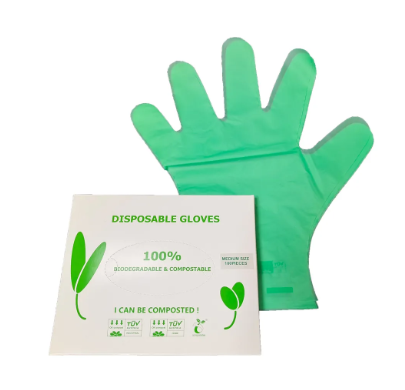
The food service industry is experiencing a transformative shift toward sustainable practices, with restaurants increasingly seeking eco-friendly alternatives to traditional disposables. Among the most significant changes is the adoption of compostable gloves, which offer establishments a responsible solution for food handling while maintaining hygiene standards. These innovative gloves represent a crucial step forward in reducing the environmental impact of commercial kitchens without compromising on safety or functionality.

Traditional disposable gloves have long posed environmental challenges for restaurant operations, contributing significantly to plastic waste streams. The emergence of compostable alternatives addresses these concerns by providing food service professionals with products that naturally decompose after use, supporting circular economy principles while meeting stringent food safety requirements.
Understanding the Science Behind Compostable Food Service Gloves
Material Composition and Biodegradation Process
Modern compostable gloves utilize advanced materials such as PLA, PBAT, and cornstarch-based compounds that break down naturally in commercial composting environments. These materials undergo controlled biodegradation when exposed to specific temperature, humidity, and microbial conditions found in industrial composting facilities. The molecular structure of these polymers allows enzymes to gradually decompose the material into water, carbon dioxide, and organic matter without leaving harmful residues.
The manufacturing process involves carefully balancing these bio-based materials to achieve the necessary strength, flexibility, and barrier properties required for food handling applications. Cornstarch serves as the primary structural component, while PLA provides durability and PBAT enhances flexibility, creating a glove that performs comparably to conventional options while maintaining its biodegradable characteristics.
Certification Standards and Testing Requirements
Legitimate compostable gloves must meet rigorous international standards such as ASTM D6400 and EN 13432, which define specific criteria for compostability. These certifications require products to disintegrate completely within 12 weeks under controlled composting conditions, with at least 90% of the material converting to carbon dioxide within 180 days. Additionally, the final compost must not negatively impact plant growth or soil quality.
Third-party testing laboratories evaluate factors including biodegradation rates, ecotoxicity levels, and heavy metal content to ensure compliance with environmental safety requirements. Restaurant operators should verify that their chosen compostable gloves carry these certifications to guarantee authentic environmental benefits and avoid greenwashing concerns.
Environmental Impact and Sustainability Benefits
Waste Stream Reduction in Commercial Kitchens
Restaurants generate substantial quantities of disposable gloves daily, with busy establishments potentially discarding hundreds of pairs during peak service periods. Traditional nitrile and vinyl gloves contribute to mounting plastic waste that persists in landfills for decades or creates microplastic pollution when incinerated. Compostable alternatives dramatically reduce this environmental burden by diverting waste from traditional disposal methods.
When properly composted, these gloves contribute valuable organic matter to soil health rather than accumulating as persistent waste. The composting process transforms the glove material into nutrient-rich humus that supports plant growth, creating a beneficial end-of-life cycle that contrasts sharply with conventional disposal outcomes. This circular approach aligns with broader sustainability goals embraced by environmentally conscious dining establishments.
Carbon Footprint Considerations
The production of compostable gloves typically generates lower carbon emissions compared to petroleum-based alternatives, particularly when utilizing renewable feedstock sources. Cornstarch and other plant-derived materials sequester carbon during growth, partially offsetting manufacturing emissions and reducing the overall carbon footprint of glove production. Transportation and processing factors still contribute to environmental impact, but lifecycle analyses consistently favor bio-based materials over conventional plastics.
Restaurant chains implementing comprehensive sustainability programs often find that switching to compostable gloves supports broader carbon reduction initiatives. The cumulative impact across multiple locations can result in significant environmental improvements, particularly when combined with other sustainable practices such as composting food waste and utilizing renewable energy sources.
Performance Characteristics and Practical Applications
Durability and Protection Standards
Modern compostable gloves deliver performance characteristics that closely match traditional options in terms of puncture resistance, chemical barriers, and tactile sensitivity. Advanced manufacturing techniques have eliminated many early concerns about reduced durability or compromised protection levels. These gloves maintain their structural integrity throughout typical food preparation tasks while providing adequate protection against oils, acids, and cleaning solutions commonly encountered in commercial kitchens.
Testing protocols evaluate glove performance under realistic restaurant conditions, including exposure to various temperatures, cooking oils, and cleaning chemicals. Results demonstrate that quality compostable gloves maintain protective barriers and resist tearing during normal food handling activities. However, extended exposure to high temperatures or aggressive chemicals may require more frequent glove changes compared to some synthetic alternatives.
Food Safety and Hygiene Compliance
Restaurant operators must ensure that any glove selection meets local health department requirements and food safety standards. Compostable gloves designed for food service applications undergo extensive testing to verify their suitability for direct food contact and compliance with FDA regulations. These products must demonstrate that no harmful substances migrate into food products during normal use conditions.
The smooth surface texture and proper sizing of quality compostable gloves facilitate effective handwashing protocols and prevent cross-contamination between food preparation areas. Staff training remains essential to maximize hygiene benefits, regardless of glove material, emphasizing proper donning and doffing procedures along with appropriate change frequencies throughout service periods.
Economic Considerations and Cost Analysis
Initial Investment and Long-term Value
The upfront cost of compostable gloves typically exceeds that of conventional alternatives, reflecting the specialized materials and manufacturing processes involved in their production. However, restaurant operators should evaluate total cost of ownership, including waste disposal fees, potential marketing benefits, and alignment with corporate sustainability commitments when making purchasing decisions.
Many establishments discover that premium pricing for sustainable products attracts environmentally conscious customers willing to pay higher prices for responsible dining experiences. The marketing value of demonstrating environmental commitment through tangible actions like using compostable gloves can justify additional procurement costs while supporting broader brand positioning strategies focused on sustainability leadership.
Operational Efficiency and Supply Chain Considerations
Successful implementation of compostable gloves requires coordination with waste management partners capable of processing compostable materials through appropriate facilities. Restaurants must establish collection and composting procedures that maintain the environmental benefits of these products while ensuring operational efficiency during busy service periods.
Supply chain reliability becomes crucial when transitioning to compostable alternatives, as availability and consistency may differ from established conventional glove suppliers. Restaurant managers should work closely with vendors to ensure adequate inventory levels and consistent product quality while developing contingency plans for potential supply disruptions.
Implementation Strategies for Restaurant Operations
Staff Training and Adoption Protocols
Successful implementation of compostable gloves requires comprehensive staff education covering proper usage, disposal procedures, and the environmental rationale behind the switch. Training programs should address any performance differences between compostable and traditional gloves, ensuring that food safety standards remain uncompromised during the transition period.
Kitchen staff may initially notice subtle differences in feel or flexibility when switching to compostable materials. Providing adequate training time and addressing concerns proactively helps ensure smooth adoption while maintaining service quality. Regular feedback sessions allow management to identify any operational challenges and adjust procedures accordingly.
Waste Management System Integration
Restaurants must establish clear protocols for collecting and processing used compostable gloves to realize their environmental benefits fully. This involves coordinating with local composting facilities, training staff on proper disposal procedures, and potentially modifying existing waste collection systems to accommodate compostable materials separately from conventional trash streams.
Proper labeling and color-coded disposal containers help prevent contamination of compostable waste streams with non-biodegradable materials. Regular monitoring ensures compliance with disposal protocols while maximizing the environmental impact of switching to sustainable glove options.
Future Trends and Industry Developments
Technological Innovations and Material Advances
Ongoing research continues to improve the performance characteristics and cost-effectiveness of compostable gloves through advanced material formulations and manufacturing techniques. Emerging technologies focus on enhancing durability, reducing production costs, and expanding the range of applications suitable for biodegradable materials.
Innovation in bio-based polymer chemistry promises to deliver next-generation compostable gloves with enhanced barrier properties and extended shelf life. These developments address current limitations while maintaining environmental benefits, potentially accelerating adoption rates across the food service industry.
Regulatory Landscape and Market Drivers
Increasing regulatory pressure to reduce single-use plastics creates favorable market conditions for compostable alternatives across various industries, including food service. Legislative initiatives targeting plastic waste reduction provide additional incentives for restaurants to adopt sustainable alternatives proactively rather than reactively responding to future mandates.
Consumer awareness and environmental consciousness continue driving demand for sustainable restaurant practices, creating market opportunities for establishments that demonstrate genuine commitment to environmental responsibility through tangible actions like using compostable gloves and other eco-friendly products.
FAQ
How long do compostable gloves take to decompose in commercial composting facilities
Certified compostable gloves typically break down completely within 12 weeks under proper industrial composting conditions, which maintain temperatures between 140-160°F with adequate moisture and oxygen levels. Home composting systems may require longer decomposition times due to lower temperatures and less controlled conditions.
Can compostable gloves be disposed of with food waste in restaurant composting programs
Yes, properly certified compostable gloves can be included with food waste in commercial composting programs, provided the composting facility accepts compostable packaging materials. Restaurants should verify acceptance policies with their waste management partners and ensure staff understand proper disposal procedures to prevent contamination.
Do compostable gloves provide the same level of protection as traditional disposable gloves
Quality compostable gloves meeting food service standards provide comparable protection against oils, mild chemicals, and physical hazards encountered in typical restaurant operations. However, they may have different performance characteristics under extreme conditions, so restaurants should evaluate specific use requirements and adjust procedures accordingly.
What certifications should restaurants look for when purchasing compostable gloves
Restaurants should seek gloves certified to ASTM D6400 or EN 13432 standards for compostability, along with FDA approval for food contact applications. BPI certification in North America provides additional verification of compostability claims, while third-party testing documentation ensures products meet stated performance and safety requirements.
Table of Contents
- Understanding the Science Behind Compostable Food Service Gloves
- Environmental Impact and Sustainability Benefits
- Performance Characteristics and Practical Applications
- Economic Considerations and Cost Analysis
- Implementation Strategies for Restaurant Operations
- Future Trends and Industry Developments
-
FAQ
- How long do compostable gloves take to decompose in commercial composting facilities
- Can compostable gloves be disposed of with food waste in restaurant composting programs
- Do compostable gloves provide the same level of protection as traditional disposable gloves
- What certifications should restaurants look for when purchasing compostable gloves

