
 EN
EN
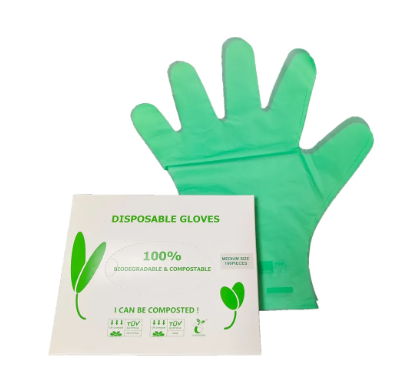
The environmental impact of packaging materials has become a critical concern for businesses and consumers alike. Among the most debated items in this discussion is the transparent plastic bag, which serves countless purposes across industries while raising important questions about sustainability. Understanding the true environmental footprint of these ubiquitous packaging solutions requires examining their production processes, lifecycle impacts, and available alternatives in today's marketplace.
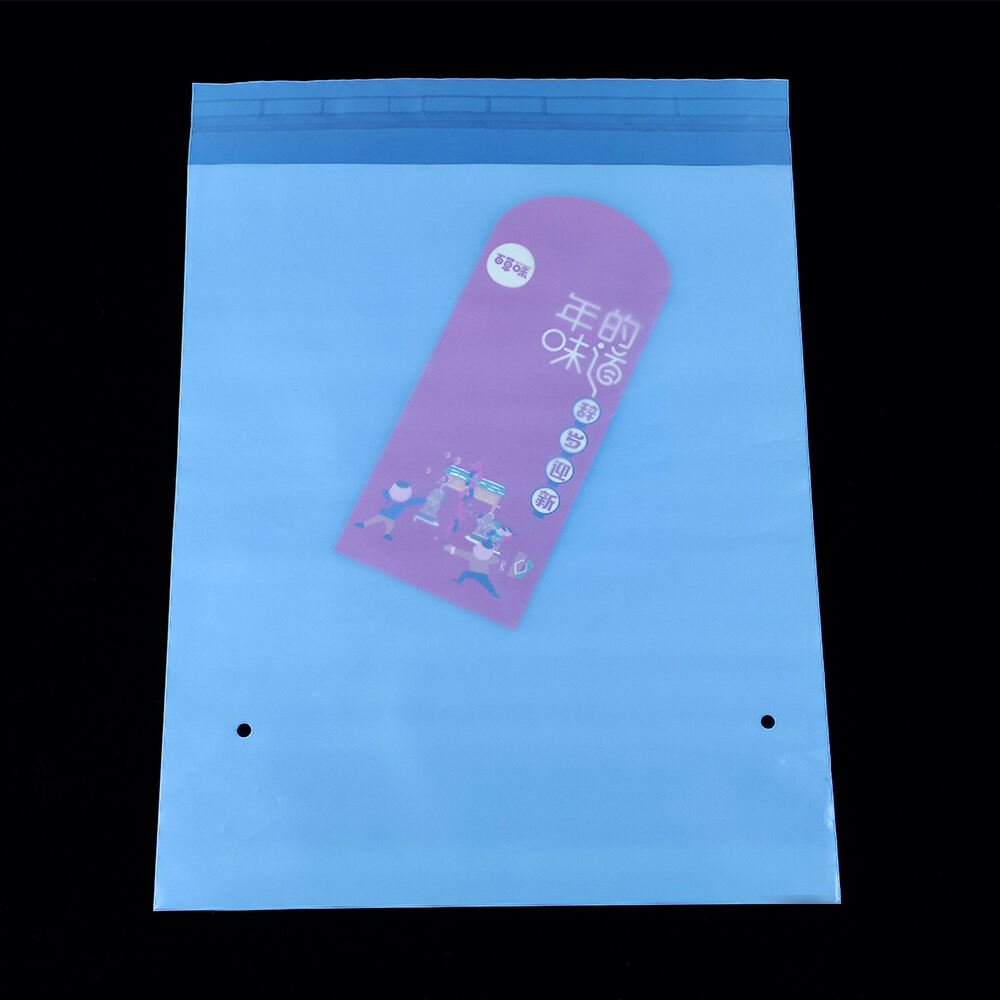
Modern manufacturing processes have evolved significantly, offering various types of transparent packaging materials with different environmental profiles. Traditional petroleum-based plastics present certain challenges, while newer bio-based and recyclable options provide promising alternatives. The key lies in understanding which materials truly deliver on their eco-friendly promises and how businesses can make informed decisions that balance functionality with environmental responsibility.
Environmental Impact Assessment of Transparent Packaging Materials
Carbon Footprint Analysis
The production of conventional transparent plastic materials generates significant carbon emissions throughout the manufacturing process. Petroleum extraction, refinement, and polymer production contribute to greenhouse gas emissions that vary depending on the specific type of plastic used. Polyethylene and polypropylene bags, commonly used for transparent applications, typically produce between 1.8 to 3.2 kilograms of CO2 equivalent per kilogram of material produced.
However, the carbon footprint equation becomes more complex when considering the entire lifecycle of these products. Transportation efficiency plays a crucial role, as lightweight transparent bags require less fuel for shipping compared to heavier alternatives like glass or metal packaging. The durability and reusability potential of high-quality transparent plastic materials can also offset initial production emissions when products are used multiple times before disposal.
Recent innovations in manufacturing processes have led to more energy-efficient production methods. Some facilities now utilize renewable energy sources and implement closed-loop systems that capture and reuse waste heat, reducing the overall carbon intensity of transparent plastic production by up to 30% compared to traditional manufacturing approaches.
Resource Consumption Patterns
The resource intensity of transparent plastic production extends beyond carbon emissions to include water usage, chemical inputs, and raw material extraction. Traditional petroleum-based plastics require substantial amounts of fossil fuels, with approximately 1.75 kilograms of oil needed to produce one kilogram of plastic material. This dependency on non-renewable resources raises concerns about long-term sustainability and resource depletion.
Water consumption in plastic manufacturing varies significantly across different production facilities and technologies. Modern plants typically require 2-5 liters of water per kilogram of plastic produced, including cooling processes, cleaning operations, and steam generation. Advanced recycling facilities have demonstrated the ability to reduce water consumption by implementing closed-loop systems and water treatment technologies.
The chemical additives used in transparent plastic production also contribute to environmental considerations. Plasticizers, stabilizers, and clarity enhancers can impact recyclability and biodegradation rates. Selecting materials with minimal chemical additives and proven safety profiles helps minimize potential environmental impacts throughout the product lifecycle.
Recycling and Waste Management Solutions
Current Recycling Infrastructure
The recyclability of transparent plastic materials depends heavily on local infrastructure and collection systems. Many regions have established efficient recycling programs for common plastic types, with mechanical recycling processes that can transform used materials into new products. However, the effectiveness of these systems varies significantly based on contamination levels, sorting capabilities, and market demand for recycled materials.
Advanced sorting technologies, including optical scanners and density separation systems, have improved the ability to process mixed plastic waste streams. These innovations enable facilities to separate different types of transparent plastics with greater precision, increasing the quality and value of recycled materials. The development of chemical recycling processes has also expanded options for materials that cannot be effectively processed through traditional mechanical methods.
Collection rates for transparent plastic bag materials continue to improve through expanded curbside programs and specialized collection initiatives. Some regions have achieved collection rates exceeding 80% for certain plastic types, demonstrating the potential for effective waste management when appropriate systems are in place.
Circular Economy Applications
The concept of circular economy principles applies directly to transparent plastic packaging through design for recyclability and closed-loop manufacturing systems. Companies are increasingly adopting strategies that consider end-of-life scenarios during product development, selecting materials and designs that facilitate efficient recycling and material recovery.
Industrial symbiosis programs have emerged as effective approaches for managing plastic waste streams. These initiatives connect manufacturers with waste processing facilities, creating economic incentives for material recovery while reducing disposal costs. Some successful programs have achieved waste diversion rates exceeding 95% through comprehensive material exchange networks.
Extended producer responsibility programs are becoming more common, requiring manufacturers to take greater accountability for the end-of-life management of their packaging materials. These regulations incentivize the development of more sustainable packaging solutions and provide funding for improved recycling infrastructure development.
Alternative Materials and Sustainable Options
Bio-Based Transparent Films
Plant-based alternatives to traditional petroleum plastics have gained significant attention as potential solutions for sustainable packaging. Materials derived from corn starch, sugarcane, and other renewable feedstocks can provide transparency and functionality similar to conventional plastics while offering improved end-of-life options. These bio-based materials typically require less energy to produce and can be designed for compostability under appropriate conditions.
The performance characteristics of bio-based transparent films have improved substantially through technological advances in polymer chemistry and processing techniques. Modern formulations can achieve clarity levels, strength properties, and barrier performance that meet or exceed traditional plastic materials for many applications. However, factors such as temperature sensitivity and moisture absorption require careful consideration in specific use cases.
Cost considerations remain important for widespread adoption of bio-based alternatives. While production costs have decreased significantly over the past decade, bio-based materials typically command premium pricing compared to conventional options. However, total cost of ownership calculations that include disposal fees, regulatory compliance costs, and brand value considerations often favor sustainable alternatives.
Recyclable Polymer Technologies
Advanced polymer technologies have enabled the development of transparent plastic materials specifically designed for enhanced recyclability. These materials utilize chemical structures and additive systems that maintain performance properties while facilitating efficient processing in recycling facilities. Some formulations incorporate recycled content without compromising transparency or strength characteristics.
Compatibilizer technologies allow for the blending of different plastic types without degrading material properties, expanding recycling options and increasing the value of mixed waste streams. These innovations help address one of the primary challenges in plastic recycling by enabling the processing of contaminated or mixed material flows that were previously considered non-recyclable.
Smart packaging technologies are being integrated into transparent plastic materials to improve sorting and recycling efficiency. Digital watermarks, chemical tracers, and other identification systems enable automated recognition and separation of different material types, reducing contamination rates and improving the quality of recycled output.
Industry Applications and Performance Considerations
Food Packaging Requirements
The food packaging industry represents one of the largest applications for transparent plastic materials, where safety, freshness preservation, and regulatory compliance are paramount considerations. Transparent packaging allows consumers to view products while providing essential barrier properties against moisture, oxygen, and contaminants. The challenge lies in balancing these functional requirements with environmental sustainability goals.
Food safety regulations impose strict requirements on packaging materials that come into contact with consumable products. These regulations affect material selection, additive usage, and recycling options for transparent plastic packaging in food applications. Compliance with FDA, EFSA, and other regulatory standards requires careful evaluation of material compositions and migration characteristics.
Shelf life extension capabilities of transparent plastic packaging can contribute to sustainability by reducing food waste throughout the supply chain. Advanced barrier films can extend product freshness by days or weeks compared to alternative packaging options, potentially offsetting environmental impacts through reduced food spoilage and waste generation.
Industrial and Commercial Uses
Industrial applications for transparent plastic materials span diverse sectors including electronics, automotive, construction, and manufacturing. These applications often require specialized performance characteristics such as chemical resistance, temperature stability, or optical clarity that influence material selection and environmental considerations.
The durability requirements in industrial applications can support sustainability through extended product lifecycles and reduced replacement frequency. High-performance transparent plastics used in industrial settings may remain functional for years or decades, providing favorable environmental profiles when evaluated on a per-use basis over their entire service life.
Contamination challenges in industrial recycling streams require specialized processing approaches and separation technologies. Some industrial plastic waste streams contain additives, coatings, or contaminants that complicate recycling processes, necessitating advanced treatment methods or alternative end-of-life management strategies.
Future Developments and Innovations
Emerging Technologies
Research and development efforts continue to advance the sustainability profile of transparent plastic materials through innovative production methods and material compositions. Biotechnology approaches are enabling the production of plastic precursors from waste biomass, algae, and other sustainable feedstocks that could significantly reduce environmental impacts compared to petroleum-based alternatives.
Nanotechnology applications are improving the performance characteristics of sustainable transparent materials, enabling thinner films with enhanced barrier properties and reduced material consumption. These advances allow manufacturers to maintain or improve functionality while using less material, contributing to overall environmental benefits through source reduction strategies.
Chemical recycling technologies are expanding the range of transparent plastic materials that can be effectively processed and returned to high-quality applications. These processes can break down complex polymer structures into constituent chemicals that can be used to produce new plastic materials with properties identical to virgin alternatives.
Policy and Regulatory Trends
Government policies and regulations increasingly influence the development and adoption of sustainable packaging materials. Extended producer responsibility programs, plastic tax initiatives, and recycled content requirements are creating market incentives for improved environmental performance in transparent plastic applications.
International standards and certification programs are emerging to provide clear definitions and verification methods for sustainable packaging claims. These standards help businesses and consumers identify genuinely eco-friendly options while preventing misleading marketing practices that could undermine confidence in sustainable alternatives.
Trade policies and international agreements related to plastic waste management are creating new requirements for material traceability and end-of-life documentation. These developments encourage the adoption of materials and systems that support transparent supply chain management and responsible waste handling practices.
FAQ
How do transparent plastic bags compare to paper alternatives in terms of environmental impact
The environmental comparison between transparent plastic and paper depends on multiple factors including production methods, transportation efficiency, and end-of-life management. Paper production typically requires more water and energy per unit weight, while plastic materials often have lower transportation impacts due to their lighter weight. Both materials can be recycled effectively when appropriate infrastructure exists, though recycling rates and contamination tolerance vary between the two options.
What certifications should businesses look for when selecting eco-friendly transparent packaging
Key certifications for sustainable transparent packaging include ASTM D6400 for compostable materials, Forest Stewardship Council standards for bio-based content, and How2Recycle labels for recyclability guidance. Additionally, ISO 14855 certification indicates biodegradability under composting conditions, while GREENGUARD certification addresses indoor air quality impacts. Third-party verification through organizations like UL or NSF provides additional assurance of environmental claims.
Can transparent plastic bags be safely reused multiple times before disposal
High-quality transparent plastic materials can often be safely reused multiple times when properly cleaned and maintained. The number of reuse cycles depends on the specific material type, thickness, and application requirements. Food-grade materials may have different reuse considerations compared to non-food applications due to safety regulations and contamination concerns. Proper cleaning methods and inspection for damage help ensure safe reuse practices.
What innovations are making transparent plastic packaging more sustainable
Current innovations include the development of bio-based transparent films from renewable feedstocks, advanced chemical recycling processes that can handle complex material combinations, and smart packaging technologies that improve sorting efficiency. Additionally, lightweighting technologies are reducing material consumption while maintaining performance, and barrier coating innovations are extending product shelf life to reduce food waste. These advances collectively improve the sustainability profile of transparent plastic packaging across various applications.
Table of Contents
- Environmental Impact Assessment of Transparent Packaging Materials
- Recycling and Waste Management Solutions
- Alternative Materials and Sustainable Options
- Industry Applications and Performance Considerations
- Future Developments and Innovations
-
FAQ
- How do transparent plastic bags compare to paper alternatives in terms of environmental impact
- What certifications should businesses look for when selecting eco-friendly transparent packaging
- Can transparent plastic bags be safely reused multiple times before disposal
- What innovations are making transparent plastic packaging more sustainable

