
 EN
EN
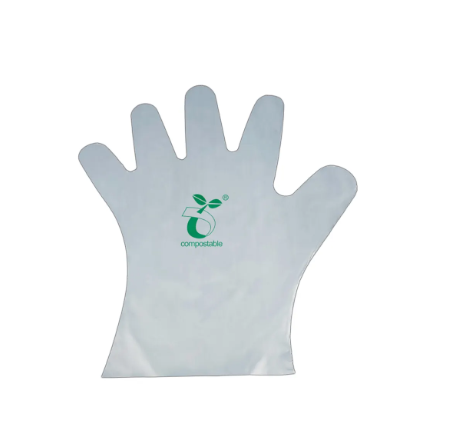
The global shift toward sustainable business practices has accelerated dramatically in recent years, with companies across industries recognizing the urgent need to reduce their environmental footprint. One significant area where businesses are making meaningful changes is in their selection of personal protective equipment, particularly disposable gloves. Traditional latex and nitrile gloves, while effective for protection, contribute substantially to landfill waste and environmental degradation. This growing environmental consciousness has led to an increasing number of businesses making the strategic transition to compostable gloves, which offer the same protective qualities while dramatically reducing long-term environmental impact.

Environmental Impact and Sustainability Benefits
Reducing Landfill Waste and Pollution
Traditional disposable gloves pose a significant environmental challenge due to their synthetic composition and extremely slow decomposition rate. Conventional nitrile and latex gloves can take decades or even centuries to break down in landfill environments, creating persistent waste that accumulates over time. In contrast, compostable gloves are engineered from biodegradable materials such as plant-based polymers, cornstarch, and other organic compounds that naturally decompose within months under proper composting conditions. This fundamental difference in material composition represents a revolutionary approach to waste management in industries that rely heavily on disposable protective equipment.
The environmental benefits extend beyond simple waste reduction. When properly composted, these innovative gloves contribute valuable nutrients back to the soil, completing a natural cycle that supports agricultural and horticultural applications. This circular approach to product lifecycle management aligns perfectly with corporate sustainability goals and environmental stewardship initiatives that many businesses are implementing to meet regulatory requirements and consumer expectations.
Carbon Footprint Reduction
Manufacturing processes for compostable gloves typically generate significantly lower carbon emissions compared to traditional synthetic alternatives. The production of plant-based materials requires less energy-intensive processing and often utilizes renewable resources that naturally absorb carbon dioxide during their growth phase. This creates a more favorable carbon balance throughout the entire product lifecycle, from raw material sourcing through manufacturing, distribution, use, and eventual disposal.
Additionally, the composting process itself generates minimal greenhouse gas emissions when properly managed, unlike incineration or long-term landfill storage of synthetic gloves, which can release harmful chemicals and methane into the atmosphere. Forward-thinking businesses recognize that this carbon footprint reduction contributes meaningfully to their overall sustainability metrics and climate change mitigation efforts.
Cost-Effectiveness and Economic Advantages
Long-Term Financial Benefits
While the initial purchase price of compostable gloves may be slightly higher than conventional alternatives, businesses are discovering substantial long-term economic advantages that justify the investment. Waste disposal costs represent a significant ongoing expense for companies that use large quantities of disposable gloves, particularly in healthcare, food service, and manufacturing environments. By switching to compostable gloves, businesses can dramatically reduce their waste management expenses through on-site composting programs or partnerships with local composting facilities.
The economic benefits also include potential tax incentives and regulatory advantages available to businesses that demonstrate measurable environmental improvements. Many jurisdictions offer financial incentives for companies that adopt sustainable practices, and the documentation of waste reduction through compostable products can qualify businesses for these beneficial programs. Furthermore, avoiding potential future regulations or penalties related to plastic waste disposal provides additional economic protection.
Supply Chain Stability and Risk Management
The growing availability of compostable glove manufacturers and suppliers creates increased supply chain diversification opportunities for businesses. This diversification reduces dependency on traditional synthetic glove producers and provides greater flexibility in sourcing decisions. As demand for sustainable products continues to grow, the compostable glove market is experiencing rapid expansion and innovation, leading to improved product quality and competitive pricing structures.
Risk management considerations also favor compostable alternatives, as businesses using these products are better positioned to adapt to evolving environmental regulations and consumer preferences. Companies that proactively adopt sustainable practices often experience greater resilience during regulatory changes and maintain competitive advantages in markets where environmental responsibility influences purchasing decisions.
Performance and Quality Characteristics
Protection Standards and Safety Compliance
Modern compostable gloves meet or exceed industry safety standards for personal protective equipment, providing equivalent protection levels compared to traditional synthetic alternatives. Advanced manufacturing techniques and material science innovations have enabled the development of plant-based gloves that offer excellent barrier protection, chemical resistance, and tactile sensitivity required for professional applications. These products undergo rigorous testing to ensure compliance with relevant safety standards, including medical device regulations, food contact requirements, and occupational safety specifications.
The misconception that environmentally friendly products sacrifice performance has been thoroughly debunked through extensive real-world testing and application. Many businesses report that their employees notice no difference in functionality, comfort, or protection when transitioning to compostable gloves, making the switch virtually seamless from an operational perspective.
Durability and Application Versatility
Compostable gloves demonstrate impressive durability and versatility across diverse applications, from medical examinations and laboratory work to food preparation and industrial tasks. The advanced polymer blends used in these products provide excellent puncture resistance, flexibility, and grip characteristics that meet the demanding requirements of professional environments. Temperature resistance and chemical compatibility have been optimized to ensure reliable performance under various working conditions.
Innovation in material science continues to expand the application possibilities for compostable gloves, with specialized formulations being developed for specific industry requirements. This ongoing development ensures that businesses in virtually any sector can find compostable alternatives that meet their unique operational needs without compromising safety or efficiency standards.
Industry Applications and Market Adoption
Healthcare and Medical Facilities
Healthcare institutions are among the early adopters of compostable gloves, driven by both environmental responsibility and cost management considerations. Hospitals, clinics, and medical offices generate enormous quantities of disposable glove waste daily, making the environmental impact reduction particularly significant in these settings. Many healthcare systems have implemented comprehensive sustainability programs that specifically target single-use medical supplies, with compostable gloves representing a key component of these initiatives.
The adoption process in healthcare settings often begins with pilot programs in non-critical applications, such as administrative tasks and general patient care, before expanding to more specialized medical procedures. This gradual implementation approach allows healthcare facilities to evaluate performance characteristics while maintaining the highest safety standards required in medical environments.
Food Service and Hospitality Industries
Restaurants, catering companies, and food processing facilities have embraced compostable gloves as part of broader sustainable business practices that resonate with environmentally conscious consumers. The food service industry generates substantial organic waste that can be composted alongside compostable gloves, creating efficient integrated waste management systems. This alignment between food waste composting and glove disposal streamlines operations while maximizing environmental benefits.
Consumer awareness of environmental issues increasingly influences dining and purchasing decisions, making sustainable practices a competitive differentiator in the hospitality industry. Businesses that prominently feature their use of compostable products often experience positive customer feedback and enhanced brand reputation, translating into measurable business value beyond the direct environmental benefits.
Implementation Strategies and Best Practices
Transition Planning and Staff Training
Successful implementation of compostable gloves requires strategic planning and comprehensive staff education to ensure smooth operational transitions. Businesses typically begin with detailed evaluations of current glove usage patterns, identifying optimal starting points for the transition process. This assessment includes analyzing application requirements, usage volumes, and disposal procedures to develop customized implementation timelines that minimize operational disruption.
Staff training programs focus on proper handling, storage, and disposal procedures specific to compostable materials. Education about the environmental benefits and performance characteristics helps generate employee buy-in and ensures consistent adoption throughout the organization. Clear communication about the business rationale for the switch reinforces the importance of the initiative and encourages active participation in sustainability goals.
Waste Management Integration
Effective integration with existing waste management systems requires coordination with composting facilities or development of on-site composting capabilities. Many businesses partner with local waste management companies that specialize in commercial composting services, ensuring proper processing of compostable materials. This partnership approach often provides the most cost-effective solution while guaranteeing appropriate disposal methods that maximize environmental benefits.
Documentation and tracking systems help businesses monitor their environmental impact reduction and maintain compliance with sustainability reporting requirements. Regular measurement of waste diversion and composting outcomes provides valuable data for evaluating program effectiveness and identifying opportunities for continuous improvement.
FAQ
How long do compostable gloves take to decompose completely
Compostable gloves typically decompose within 90 to 180 days under proper industrial composting conditions, which maintain specific temperature, humidity, and oxygen levels. In home composting environments, the process may take 6 to 12 months depending on local climate conditions and composting management practices. This represents a dramatic improvement compared to traditional synthetic gloves, which can persist in landfills for decades without meaningful degradation.
Are compostable gloves suitable for all medical applications
Modern compostable gloves meet stringent medical safety standards and are suitable for most healthcare applications, including patient examinations, minor procedures, and laboratory work. However, some highly specialized medical procedures may still require specific synthetic materials due to unique chemical resistance or durability requirements. Healthcare facilities should consult with their safety officers and suppliers to determine appropriate applications for compostable alternatives within their specific operational contexts.
What is the cost difference between compostable and traditional gloves
The initial purchase price of compostable gloves is typically 10-30% higher than conventional synthetic alternatives, but this difference is often offset by reduced waste disposal costs and potential sustainability incentives. The total cost of ownership, including disposal expenses, frequently favors compostable options, particularly for high-volume users. As market adoption increases and manufacturing scales expand, price gaps continue to narrow, making compostable gloves increasingly cost-competitive.
Do compostable gloves require special storage conditions
Compostable gloves should be stored in cool, dry conditions away from direct sunlight and excessive heat to maintain optimal performance characteristics and shelf life. Standard storage practices used for conventional gloves are generally appropriate, though extreme temperature fluctuations should be avoided. Proper storage typically ensures a shelf life of 2-3 years, comparable to traditional synthetic gloves, making inventory management straightforward for most businesses.

