
 EN
EN
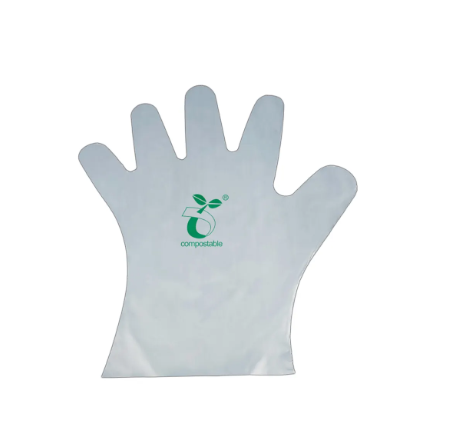
Selecting the right protective hand gear while maintaining environmental responsibility has become a critical decision for businesses and consumers alike. As awareness of plastic pollution and environmental degradation grows, traditional disposable gloves made from synthetic materials face increasing scrutiny from environmentally conscious buyers. The shift toward sustainable alternatives represents more than just a trend—it reflects a fundamental change in how we approach product sourcing and waste management in professional and personal settings.

Understanding the environmental impact of conventional gloves helps illuminate why sustainable alternatives have gained significant traction across industries. Standard nitrile, vinyl, and latex gloves typically require decades to decompose in landfills, contributing to persistent waste streams that burden municipal systems and natural ecosystems. Modern biodegradable options offer comparable protection while breaking down naturally through composting processes, creating a win-win scenario for safety-conscious organizations seeking to reduce their environmental footprint.
Understanding Biodegradable Glove Materials
Plant-Based Polymer Compositions
Contemporary eco friendly gloves utilize advanced plant-based polymers derived from renewable resources such as cornstarch, sugarcane, and other agricultural byproducts. These materials undergo sophisticated processing techniques that maintain the flexibility, durability, and barrier properties essential for effective hand protection. Polylactic acid compounds, often combined with polybutylene adipate terephthalate blends, create gloves that perform comparably to traditional synthetic options while offering superior end-of-life disposal characteristics.
The molecular structure of these biopolymers allows for controlled degradation when exposed to specific environmental conditions found in commercial composting facilities. Unlike conventional gloves that persist indefinitely, plant-based alternatives typically decompose within 90 to 180 days under proper composting conditions. This rapid breakdown timeline significantly reduces long-term environmental impact while maintaining the protective qualities required for medical, food service, and industrial applications.
Certification Standards and Compliance
Reputable manufacturers of sustainable hand protection products pursue rigorous third-party certifications to validate their environmental claims and product performance. ASTM D6400 and EN 13432 standards provide internationally recognized frameworks for testing biodegradability and compostability of polymer materials. These certifications ensure that products meet specific criteria for disintegration rates, ecotoxicity levels, and chemical composition requirements necessary for safe composting processes.
Additional certifications such as BPI (Biodegradable Products Institute) approval and TÜV AUSTRIA OK compost HOME designation offer further validation of environmental credentials. These independent assessments provide buyers with confidence that their chosen products will perform as advertised while meeting stringent environmental performance benchmarks. Understanding these certification systems helps procurement professionals make informed decisions based on verified testing data rather than marketing claims alone.
Performance Characteristics and Applications
Strength and Durability Considerations
Modern biodegradable gloves demonstrate impressive mechanical properties that often exceed expectations for plant-based materials. Tensile strength testing reveals that quality eco friendly gloves can withstand significant stress without tearing or puncturing during normal use. Advanced manufacturing processes create uniform wall thickness and consistent material density, resulting in reliable performance across diverse applications from food handling to light industrial tasks.
Puncture resistance and elongation characteristics of premium biodegradable options typically match or exceed those of conventional disposable gloves. The polymer chain structure in well-engineered plant-based materials provides excellent elastic recovery and maintains integrity under repeated flexing motions. These performance attributes make sustainable alternatives suitable for extended wear periods and demanding applications where hand protection cannot be compromised.
Chemical Resistance and Barrier Properties
Barrier effectiveness against common chemicals, oils, and biological contaminants represents a critical performance factor for protective gloves in professional environments. High-quality biodegradable formulations incorporate additives and processing techniques that enhance resistance to permeation by various substances. Testing protocols measure breakthrough times and permeation rates to establish safety parameters for specific chemical exposures.
Manufacturers often provide detailed chemical compatibility charts that specify recommended exposure limits and duration guidelines for different substances. These resources help safety managers and procurement professionals select appropriate glove types for specific workplace hazards. Understanding these limitations ensures that environmental responsibility does not compromise worker safety or regulatory compliance requirements in sensitive applications.
Cost Analysis and Value Propositions
Initial Purchase Price Considerations
The upfront cost of sustainable glove options typically exceeds that of conventional alternatives, reflecting the specialized materials and processing requirements involved in biodegradable manufacturing. Price premiums generally range from 15 to 40 percent above standard synthetic gloves, depending on volume commitments, specifications, and supplier relationships. However, this cost differential continues to narrow as production volumes increase and manufacturing efficiencies improve across the biodegradable products sector.
Volume purchasing agreements and long-term contracts often provide opportunities to reduce per-unit costs while securing consistent supply of environmentally responsible products. Many suppliers offer tiered pricing structures that reward larger commitments with more competitive rates. Procurement teams should evaluate total annual glove consumption and explore bulk purchasing options to optimize the cost equation for sustainable alternatives.
Total Cost of Ownership Benefits
Comprehensive cost analysis must account for factors beyond initial purchase price, including waste disposal expenses, environmental compliance costs, and potential liability reductions. Organizations facing increasing waste disposal fees or environmental regulations may find that eco friendly gloves provide long-term economic advantages despite higher upfront costs. Composting programs can reduce landfill tipping fees while supporting corporate sustainability objectives and regulatory compliance requirements.
Marketing and public relations benefits associated with environmental stewardship initiatives often generate indirect value that offsets premium pricing for sustainable products. Consumer preference surveys consistently demonstrate growing demand for environmentally responsible business practices, particularly among younger demographics. Organizations that proactively adopt sustainable practices may gain competitive advantages in customer acquisition and employee recruitment while building brand reputation capital.
Sourcing and Supplier Evaluation
Manufacturer Credibility Assessment
Evaluating potential suppliers requires thorough investigation of manufacturing capabilities, quality systems, and environmental credentials. Established manufacturers typically maintain ISO 9001 quality management certification alongside environmental management standards such as ISO 14001. These certifications indicate systematic approaches to quality control and environmental responsibility that support consistent product delivery and performance reliability.
Supply chain transparency becomes particularly important when sourcing biodegradable products, as raw material quality directly impacts final product performance and compostability characteristics. Reputable suppliers provide detailed information about feedstock sources, processing methods, and testing protocols used to validate product claims. Site visits and third-party audits can verify manufacturing capabilities and quality assurance procedures for critical applications requiring documented traceability.
Geographic Considerations and Logistics
Transportation distances and logistics complexity influence both cost structures and environmental impact calculations for sustainable glove procurement. Local or regional suppliers may offer advantages in reduced shipping costs, shorter lead times, and lower carbon footprints associated with product distribution. However, specialized manufacturing requirements for biodegradable materials may limit local sourcing options in some geographic markets.
International sourcing can provide access to advanced manufacturing technologies and competitive pricing but requires careful evaluation of shipping methods, packaging materials, and transit times. Air freight increases cost and environmental impact compared to ocean shipping, while longer transit times may necessitate larger inventory investments. Balancing these factors requires comprehensive analysis of total landed costs and environmental impact calculations across the entire supply chain.
Implementation Strategies and Best Practices
Transition Planning and Change Management
Successful adoption of sustainable glove alternatives requires careful planning and stakeholder engagement to address potential concerns about performance, cost, or usage changes. Pilot programs allow organizations to evaluate product performance in real-world applications while gathering user feedback and identifying any necessary adjustments to procedures or training requirements. These controlled trials help build confidence among end users and demonstrate commitment to both safety and environmental responsibility.
Training programs should address proper usage techniques, storage requirements, and disposal procedures specific to biodegradable materials. Unlike conventional gloves that remain stable in various storage conditions, some eco-friendly alternatives may have specific temperature or humidity requirements to maintain optimal performance characteristics. Clear communication about these requirements prevents product degradation and ensures consistent user experience throughout the transition period.
Waste Management Integration
Maximizing the environmental benefits of biodegradable gloves requires appropriate waste management infrastructure and procedures. Organizations must establish composting protocols or partner with commercial composting facilities that can process biodegradable polymers effectively. Simple disposal in regular trash streams negates the environmental advantages, as most municipal landfills lack the aerobic conditions necessary for proper biodegradation.
Collection and segregation systems should clearly distinguish between compostable and conventional waste streams to prevent contamination issues. Proper labeling, training, and monitoring help ensure that sustainable products reach appropriate disposal channels. Some organizations partner with waste management companies that specialize in biodegradable materials processing, creating closed-loop systems that demonstrate measurable environmental impact reductions.
FAQ
How long do biodegradable gloves take to decompose
Certified biodegradable gloves typically decompose within 90 to 180 days when processed in commercial composting facilities that maintain optimal temperature, moisture, and oxygen conditions. Home composting may require longer timeframes due to less controlled environmental conditions. The decomposition rate depends on specific material composition, composting facility capabilities, and environmental factors such as temperature and microbial activity levels.
Are eco-friendly gloves as protective as conventional options
High-quality biodegradable gloves provide comparable protection to conventional synthetic alternatives when properly manufactured and certified. Independent testing validates that premium eco-friendly options meet or exceed industry standards for tensile strength, puncture resistance, and barrier properties. However, users should verify that specific products are appropriate for their intended applications and chemical exposure requirements.
What certifications should I look for when purchasing sustainable gloves
Look for ASTM D6400 or EN 13432 certifications that validate biodegradability and compostability claims through standardized testing protocols. BPI certification and TÜV AUSTRIA OK compost designations provide additional validation of environmental performance. Medical applications may require FDA approval or CE marking to ensure regulatory compliance alongside environmental credentials.
Can biodegradable gloves be recycled with regular plastic waste
Biodegradable gloves should not be mixed with conventional plastic recycling streams, as the different polymer compositions can contaminate recycling processes and reduce the quality of recycled materials. These products are designed for composting rather than mechanical recycling, and proper disposal requires access to commercial composting facilities or appropriate industrial composting programs that can process biodegradable polymers effectively.

