
 EN
EN
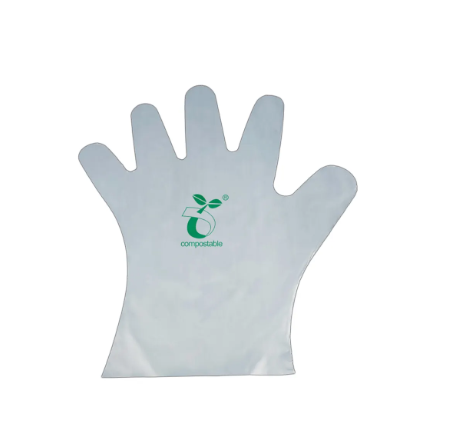
In today's environmentally conscious world, businesses and consumers are increasingly questioning the sustainability of everyday products, including disposable gloves. The choice between biodegradable gloves and regular disposable options has become a critical decision for industries ranging from healthcare to food service. Understanding the fundamental differences between these two types of protective gear can help you make informed choices that align with both operational needs and environmental responsibility. This comprehensive comparison explores the key factors that should influence your decision when selecting the most appropriate glove type for your specific requirements.
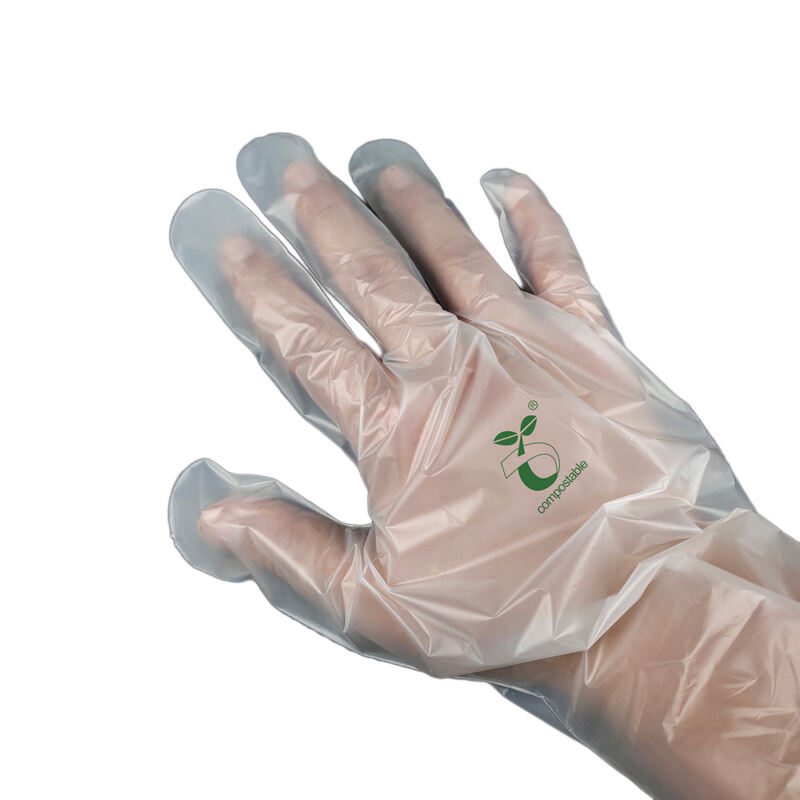
Environmental Impact and Sustainability
Decomposition Timelines and Waste Reduction
Traditional disposable gloves made from materials like nitrile, latex, or vinyl can take decades or even centuries to decompose in landfills. These conventional materials contribute significantly to long-term waste accumulation and environmental pollution. In contrast, biodegradable gloves break down naturally within months or a few years when exposed to proper composting conditions. The accelerated decomposition process reduces the overall environmental footprint and helps organizations meet sustainability goals while maintaining necessary safety standards.
The manufacturing process of biodegradable options often incorporates renewable resources such as cornstarch, plant-based polymers, and other organic materials. This approach reduces dependence on petroleum-based products and creates a more sustainable supply chain. Companies choosing eco-friendly alternatives can significantly reduce their carbon footprint while demonstrating corporate environmental responsibility to stakeholders and customers.
Carbon Footprint Considerations
The production of conventional disposable gloves typically involves energy-intensive processes and petroleum-based raw materials, resulting in higher carbon emissions throughout the manufacturing cycle. Biodegradable alternatives often utilize plant-based materials that require less energy to process and generate fewer greenhouse gases during production. Additionally, the end-of-life disposal of biodegradable products creates minimal environmental impact compared to traditional materials that persist in ecosystems for extended periods.
Transportation and packaging considerations also favor biodegradable options in many cases. Manufacturers of eco-friendly gloves frequently implement sustainable packaging practices and optimize distribution networks to minimize transportation-related emissions. This comprehensive approach to environmental stewardship extends beyond the product itself to encompass the entire supply chain and lifecycle management.
Performance and Durability Characteristics
Strength and Barrier Protection
Modern biodegradable gloves have achieved significant improvements in strength and barrier protection, often matching or exceeding the performance of traditional alternatives. Advanced manufacturing techniques and material science innovations have resulted in eco-friendly options that provide reliable protection against chemicals, pathogens, and physical hazards. These improvements make biodegradable variants suitable for demanding applications in healthcare, laboratory, and industrial settings.
Puncture resistance and tensile strength measurements of high-quality biodegradable gloves frequently meet or surpass industry standards for conventional disposable products. The incorporation of natural polymers and advanced processing methods has eliminated many of the performance limitations that previously affected early-generation eco-friendly alternatives. Users can now access reliable protection without compromising safety requirements or operational efficiency.
Comfort and Tactile Sensitivity
Comfort factors including flexibility, breathability, and tactile sensitivity are crucial considerations for glove selection, particularly in applications requiring extended wear or precision handling. Biodegradable materials often provide superior comfort characteristics due to their natural composition and enhanced breathability properties. The organic nature of these materials tends to reduce skin irritation and allergic reactions commonly associated with synthetic alternatives.
Tactile sensitivity and dexterity performance of biodegradable options have improved substantially through advanced manufacturing processes that create thinner, more flexible barrier films. These improvements enable precise manipulation of small objects and sensitive procedures while maintaining essential protection levels. The enhanced comfort profile contributes to increased user compliance and reduced hand fatigue during extended use periods.
Cost Analysis and Economic Considerations
Initial Purchase Price Comparison
The upfront cost of biodegradable gloves typically exceeds that of conventional disposable alternatives, reflecting the specialized materials and manufacturing processes required for eco-friendly production. However, this price differential has narrowed significantly as production volumes increase and manufacturing efficiencies improve. Organizations evaluating glove options must consider both immediate costs and long-term economic implications when making purchasing decisions.
Bulk purchasing arrangements and long-term supply contracts can help offset the higher initial costs of biodegradable options. Many suppliers offer volume discounts and favorable pricing structures for customers committed to sustainable procurement practices. Additionally, government incentives and tax benefits for environmentally responsible purchasing may further reduce the effective cost difference between biodegradable and conventional alternatives.
Total Cost of Ownership
Beyond initial purchase prices, total cost of ownership encompasses disposal expenses, regulatory compliance costs, and potential liability considerations. Organizations using biodegradable gloves may benefit from reduced waste management expenses and simplified disposal procedures compared to conventional products that require specialized handling or incineration. The environmental compliance advantages can translate into measurable cost savings over time.
Brand reputation and marketing advantages associated with sustainable practices can generate indirect economic benefits that offset higher product costs. Companies demonstrating environmental leadership often experience increased customer loyalty, improved employee satisfaction, and enhanced competitive positioning in markets where sustainability is valued. These intangible benefits contribute to the overall economic case for choosing biodegradable alternatives.
Industry Applications and Regulatory Requirements
Healthcare and Medical Settings
Healthcare facilities face unique challenges when selecting disposable gloves due to strict regulatory requirements and critical safety considerations. Biodegradable options must meet rigorous standards for barrier protection, sterility, and biocompatibility before gaining acceptance in medical environments. Regulatory approvals from organizations such as the FDA ensure that eco-friendly alternatives provide equivalent protection to conventional products in clinical applications.
The increasing adoption of biodegradable gloves in healthcare settings reflects growing awareness of environmental impact and waste management challenges in medical facilities. Hospitals and clinics generate substantial volumes of disposable protective equipment, making the choice of biodegradable alternatives particularly impactful for overall waste reduction efforts. The ability to maintain patient safety while reducing environmental impact aligns with healthcare sustainability initiatives.
Food Service and Processing Industries
Food service establishments and processing facilities require gloves that meet specific food safety regulations while providing reliable barrier protection against contamination. Biodegradable gloves designed for food contact applications must comply with FDA food additive regulations and demonstrate non-toxicity under normal use conditions. The natural composition of many biodegradable materials offers advantages for food safety applications by eliminating concerns about chemical migration or synthetic additives.
The foodservice industry's increasing focus on sustainability and waste reduction creates favorable conditions for biodegradable glove adoption. Restaurants, catering operations, and food processing facilities can significantly reduce their environmental impact by choosing eco-friendly alternatives without compromising food safety standards. The visible commitment to sustainability can enhance brand reputation and appeal to environmentally conscious consumers.
Material Science and Manufacturing Innovations
Advanced Biodegradable Polymers
Recent advances in material science have produced sophisticated biodegradable polymers that rival traditional synthetic materials in performance characteristics. These innovations include polylactic acid (PLA) blends, polyhydroxyalkanoates (PHAs), and starch-based composites that offer excellent barrier properties while maintaining complete biodegradability. The development of these advanced materials has eliminated many performance limitations that previously restricted biodegradable glove applications.
Manufacturing process improvements have enabled the production of thinner, stronger biodegradable films through controlled polymerization and advanced extrusion techniques. These technological advances result in gloves that provide superior tactile sensitivity and comfort while maintaining essential protection levels. The continued evolution of biodegradable materials promises further performance improvements and expanded application possibilities.
Quality Control and Testing Standards
Rigorous quality control measures ensure that biodegradable gloves meet consistent performance standards throughout the manufacturing process. Advanced testing protocols evaluate barrier protection, strength characteristics, and biodegradation rates under controlled laboratory conditions. These comprehensive testing procedures provide confidence in product reliability and performance consistency across different production batches.
International standards organizations have developed specific testing methodologies for biodegradable materials, establishing clear criteria for compostability and environmental safety. Compliance with these standards ensures that biodegradable gloves will perform as expected throughout their intended lifecycle and decompose properly under appropriate conditions. The standardization of testing procedures facilitates product comparison and selection processes for end users.
FAQ
How long do biodegradable gloves take to decompose compared to regular gloves?
Biodegradable gloves typically decompose within 90 to 180 days under proper composting conditions, while regular disposable gloves made from nitrile, vinyl, or latex can persist in the environment for 100 to 1,000 years depending on the material and environmental conditions. The rapid decomposition of biodegradable options significantly reduces long-term environmental impact and waste accumulation in landfills.
Are biodegradable gloves as strong and protective as conventional disposable gloves?
Modern biodegradable gloves meet or exceed the same performance standards as conventional alternatives, including puncture resistance, tensile strength, and barrier protection. Advanced manufacturing processes and improved biodegradable polymers have eliminated previous performance gaps, making eco-friendly options suitable for demanding applications in healthcare, food service, and industrial settings without compromising safety or functionality.
What is the cost difference between biodegradable and regular gloves?
Biodegradable gloves typically cost 10-30% more than conventional alternatives initially, but this price difference continues to decrease as production volumes increase and manufacturing processes improve. When considering total cost of ownership, including waste disposal expenses and potential regulatory compliance benefits, the economic gap narrows significantly, making biodegradable options increasingly competitive from a financial perspective.
Can biodegradable gloves be used in all the same applications as regular gloves?
High-quality biodegradable gloves are suitable for most applications where conventional disposable gloves are used, including healthcare, food service, laboratory work, and general industrial applications. However, specific regulatory approvals may be required for certain specialized uses, and users should verify that biodegradable options meet relevant industry standards and certification requirements for their particular applications before implementation.
Table of Contents
- Environmental Impact and Sustainability
- Performance and Durability Characteristics
- Cost Analysis and Economic Considerations
- Industry Applications and Regulatory Requirements
- Material Science and Manufacturing Innovations
-
FAQ
- How long do biodegradable gloves take to decompose compared to regular gloves?
- Are biodegradable gloves as strong and protective as conventional disposable gloves?
- What is the cost difference between biodegradable and regular gloves?
- Can biodegradable gloves be used in all the same applications as regular gloves?

