
 EN
EN
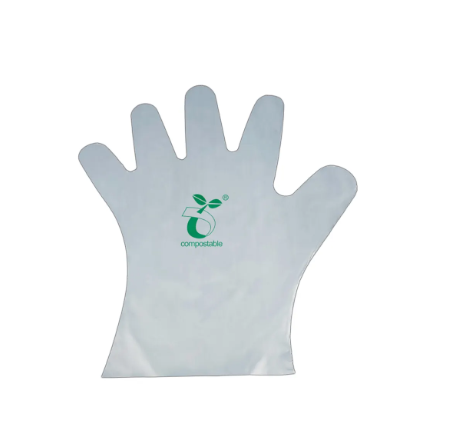
The global shift toward sustainability has transformed numerous industries, with disposable glove manufacturing experiencing a significant revolution. As environmental consciousness grows among consumers and businesses alike, eco friendly gloves have emerged as a compelling alternative to traditional petroleum-based options. This transition represents more than just a trend; it reflects a fundamental change in how we approach product design, manufacturing processes, and end-of-life disposal considerations. Understanding the differences between biodegradable and regular gloves becomes crucial for organizations seeking to reduce their environmental footprint while maintaining operational efficiency and safety standards.

Traditional disposable gloves, predominantly manufactured from synthetic materials like nitrile, vinyl, and latex, have dominated the market for decades due to their durability and cost-effectiveness. However, these conventional options present significant environmental challenges that extend far beyond their initial production phase. The manufacturing process typically involves petroleum-derived chemicals and energy-intensive procedures that contribute to carbon emissions and resource depletion. Furthermore, the disposal of billions of conventional gloves annually creates substantial waste management challenges for municipalities and environmental systems worldwide.
Environmental Impact Comparison
Carbon Footprint Analysis
The carbon footprint of conventional gloves extends throughout their entire lifecycle, from raw material extraction to final disposal. Petroleum-based materials require significant energy inputs during extraction, refining, and polymerization processes. Manufacturing facilities often rely on fossil fuels for heating and electricity, further amplifying the environmental impact. Transportation of raw materials and finished products adds another layer to the carbon equation, particularly when considering global supply chains that span multiple continents.
Conversely, biodegradable glove alternatives demonstrate substantially lower carbon footprints through several mechanisms. Plant-based materials like cornstarch, PLA (polylactic acid), and PBAT (polybutylene adipate terephthalate) require less energy-intensive processing compared to petroleum derivatives. The cultivation of agricultural feedstocks actually sequesters carbon dioxide during growth, creating a partial offset to manufacturing emissions. Additionally, many eco-friendly production facilities increasingly utilize renewable energy sources, further reducing their overall environmental impact.
Waste Stream Considerations
Conventional gloves contribute to the growing global plastic pollution crisis, with millions of tons entering landfills and natural environments annually. These synthetic materials can persist in the environment for hundreds of years, breaking down into microplastics that infiltrate food chains and ecosystems. Marine environments face particular threats from improperly disposed gloves, which can harm wildlife through ingestion or entanglement. The accumulation of non-biodegradable waste strains municipal waste management systems and increases the burden on already overflowing landfills.
Biodegradable alternatives address these concerns through designed end-of-life pathways that minimize long-term environmental impact. Under appropriate composting conditions, these materials break down into water, carbon dioxide, and biomass within months rather than centuries. Industrial composting facilities can process these materials efficiently, creating valuable soil amendments while diverting waste from traditional disposal streams. Even in less-than-ideal disposal scenarios, biodegradable materials typically degrade faster than conventional alternatives, reducing their persistence in natural environments.
Material Science and Innovation
Biodegradable Material Properties
Modern biodegradable glove materials represent sophisticated achievements in polymer science and biotechnology. PLA-based formulations offer excellent clarity and tactile sensitivity while maintaining adequate barrier properties for many applications. These materials derive from renewable resources like corn, sugarcane, or other plant starches through fermentation and polymerization processes. The resulting polymers can be engineered to provide specific performance characteristics, including tensile strength, elasticity, and chemical resistance appropriate for various industrial and medical applications.
PBAT represents another advancement in biodegradable polymer technology, offering enhanced flexibility and tear resistance compared to earlier biodegradable formulations. This material can be blended with other biodegradable polymers to create customized performance profiles that match specific application requirements. Cornstarch-based materials provide excellent biodegradability while maintaining sufficient durability for general-purpose applications. These materials often incorporate natural additives like plant-based plasticizers to achieve desired mechanical properties without compromising environmental benefits.
Performance Standards and Testing
Rigorous testing protocols ensure that eco friendly gloves meet or exceed industry performance standards while maintaining their environmental advantages. Standardized tests evaluate barrier properties, puncture resistance, tensile strength, and chemical compatibility across various exposure scenarios. These assessments help manufacturers optimize formulations and processing parameters to achieve consistent quality and reliability. Additionally, specialized biodegradability testing protocols verify decomposition rates under controlled conditions, ensuring that environmental claims align with actual performance outcomes.
Certification programs from organizations like ASTM International and the Biodegradable Products Institute provide third-party validation of both performance and environmental characteristics. These certifications require comprehensive testing documentation and ongoing quality monitoring to maintain compliance. Users can rely on these certifications to make informed decisions about product selection while supporting verifiable environmental improvements. The certification process also drives continuous innovation as manufacturers strive to improve both performance and sustainability metrics simultaneously.
Industry Applications and Adoption
Healthcare Sector Implementation
Healthcare facilities represent one of the largest consumers of disposable gloves globally, making their adoption of biodegradable alternatives particularly impactful. Hospitals, clinics, and long-term care facilities increasingly recognize that environmental stewardship aligns with their mission to promote public health. Many healthcare systems have implemented sustainability initiatives that specifically target single-use medical products, including gloves, as priority areas for improvement. The transition requires careful evaluation of infection control protocols and regulatory compliance to ensure patient safety remains paramount.
Medical applications demand rigorous performance standards that biodegradable gloves must meet without compromise. Barrier protection against pathogens, chemical resistance for cleaning agents and medications, and tactile sensitivity for precise procedures represent critical requirements. Advanced biodegradable formulations now achieve these performance levels while providing additional benefits like reduced allergenicity compared to latex alternatives. Healthcare procurement departments increasingly factor total cost of ownership, including environmental impact and disposal costs, into their purchasing decisions.
Food Service and Processing
The food industry faces unique challenges in adopting sustainable practices while maintaining strict hygiene and safety standards. Food service establishments, from restaurants to large-scale processing facilities, consume enormous quantities of disposable gloves daily. Regulatory requirements for food safety create additional complexity, as any new materials must demonstrate compliance with FDA and other food contact regulations. Biodegradable gloves designed for food applications must resist oils, acids, and other common food substances while maintaining their structural integrity throughout use.
Consumer expectations for sustainable practices in food service continue to rise, creating market pressure for environmentally responsible solutions. Many restaurant chains and food processors have established sustainability goals that specifically address single-use items and packaging. The adoption of biodegradable gloves supports these initiatives while demonstrating corporate commitment to environmental responsibility. Supply chain considerations, including availability and cost stability, play crucial roles in successful implementation across large food service operations.
Economic Considerations and Market Trends
Cost Analysis Framework
The economic evaluation of biodegradable versus conventional gloves requires comprehensive analysis beyond simple unit pricing. Initial procurement costs for biodegradable options typically exceed conventional alternatives, reflecting the current state of manufacturing scale and raw material availability. However, total cost of ownership calculations must include disposal expenses, regulatory compliance costs, and potential liability associated with environmental impact. Many organizations discover that these additional factors significantly narrow the cost gap between conventional and biodegradable options.
Waste management costs represent a growing component of operational expenses, particularly in regions with advanced environmental regulations and disposal fees. Biodegradable gloves can reduce these costs through composting programs or specialized waste processing facilities that charge lower rates for biodegradable materials. Some jurisdictions offer incentives or reduced fees for organizations that demonstrate commitment to sustainable practices. Long-term cost projections favor biodegradable alternatives as manufacturing scales increase and conventional disposal costs continue rising due to environmental regulations.
Market Growth and Innovation
The biodegradable glove market experiences rapid growth driven by regulatory changes, consumer demand, and technological advancement. Investment in research and development continues expanding the performance capabilities of biodegradable materials while reducing manufacturing costs. Patent activity in this sector indicates significant innovation potential, with new formulations and processing techniques emerging regularly. Market analysts project substantial growth in biodegradable glove adoption over the next decade, with some segments approaching cost parity with conventional alternatives.
Supply chain development accompanies market growth, with raw material suppliers, manufacturers, and distributors establishing dedicated biodegradable product lines. This infrastructure development creates economies of scale that drive down costs and improve availability. Regional manufacturing capabilities continue expanding to serve local markets more efficiently while reducing transportation-related environmental impacts. The maturation of this supply chain infrastructure supports broader adoption by reducing lead times and improving supply security for major users.
Implementation Strategies and Best Practices
Organizational Transition Planning
Successful transition to biodegradable gloves requires systematic planning that addresses technical, operational, and cultural considerations. Organizations should begin with pilot programs in selected departments or applications to evaluate performance and identify any implementation challenges. This approach allows for refinement of procedures and training programs before full-scale deployment. Stakeholder engagement across all levels of the organization ensures that sustainability goals align with operational requirements and quality expectations.
Training programs must address proper use, storage, and disposal procedures for biodegradable gloves to maximize their environmental benefits. Staff education about the differences between biodegradable and conventional materials helps ensure appropriate handling and prevents contamination of composting streams with non-biodegradable items. Clear labeling and communication protocols support proper segregation of different glove types during any transition period when both conventional and biodegradable options may be in use simultaneously.
Supply Chain Integration
Effective supply chain integration requires collaboration with vendors, distributors, and waste management providers to optimize the entire product lifecycle. Organizations should establish relationships with suppliers who demonstrate commitment to sustainability and continuous improvement in environmental performance. Vendor qualification processes should include assessment of manufacturing practices, certifications, and supply chain transparency. Long-term partnerships with reliable suppliers support consistent quality and availability while fostering innovation and cost reduction.
Waste management partnerships become particularly important when implementing biodegradable gloves, as proper disposal requires appropriate facilities and processes. Organizations should identify local composting facilities or specialized waste processors capable of handling biodegradable materials effectively. Some regions lack adequate infrastructure for biodegradable waste processing, requiring organizations to work with waste management companies to develop appropriate solutions. These partnerships often lead to broader sustainability initiatives that extend beyond gloves to other single-use items and packaging materials.
Future Outlook and Technological Development
Emerging Technologies
Research and development in biodegradable materials continue advancing rapidly, with promising technologies emerging from academic institutions and commercial laboratories worldwide. Nanotechnology applications show potential for enhancing barrier properties and mechanical strength while maintaining biodegradability. Advanced polymer blending techniques create materials with customizable properties that can be tailored for specific applications. Biotechnology approaches, including engineered microorganisms that produce specialized polymers, offer pathways to new materials with enhanced performance characteristics.
Smart materials that respond to environmental conditions represent another frontier in biodegradable glove technology. These materials could provide enhanced protection when needed while accelerating biodegradation under appropriate disposal conditions. Incorporation of natural antimicrobial agents derived from plant sources offers potential for additional functionality without compromising environmental benefits. Surface modification techniques can improve specific properties like grip or chemical resistance while maintaining the underlying biodegradable structure of the material.
Regulatory and Market Evolution
Regulatory frameworks continue evolving to address environmental concerns associated with single-use plastics, creating market drivers that favor biodegradable alternatives. Extended producer responsibility programs in various jurisdictions require manufacturers to account for the full lifecycle costs of their products. Carbon pricing mechanisms and environmental taxes increasingly factor into product selection decisions, potentially shifting economic advantages toward biodegradable options. International agreements on plastic pollution reduction may create additional regulatory pressures that accelerate adoption of biodegradable alternatives.
Market maturation in the biodegradable glove sector supports broader adoption through improved availability, quality consistency, and cost competitiveness. Standardization efforts by industry organizations help establish common performance criteria and testing protocols that facilitate product comparison and selection. Consumer awareness and demand for sustainable products continue growing, creating market pull that encourages innovation and investment in biodegradable technologies. Corporate sustainability commitments from major glove users drive demand that supports market growth and technological advancement.
FAQ
How long do biodegradable gloves take to decompose compared to regular gloves?
Biodegradable gloves typically decompose within 90 to 180 days under proper composting conditions, while regular petroleum-based gloves can persist in the environment for 100 to 400 years. The decomposition rate depends on factors such as temperature, moisture, oxygen availability, and the presence of appropriate microorganisms. Industrial composting facilities provide optimal conditions for rapid biodegradation, while home composting may require longer timeframes. Even in less-than-ideal conditions, biodegradable gloves break down significantly faster than conventional alternatives.
Are biodegradable gloves as protective as conventional gloves for medical and industrial applications?
Modern biodegradable gloves can achieve performance levels comparable to conventional gloves for many applications when properly formulated and manufactured. They meet industry standards for barrier protection, puncture resistance, and tensile strength required for medical and food service use. However, specific applications requiring extreme chemical resistance or extended wear times may still favor conventional materials. Continuous technological advancement in biodegradable polymers continues expanding their performance capabilities and suitable applications.
What is the cost difference between biodegradable and regular disposable gloves?
Biodegradable gloves currently cost approximately 20-50% more than conventional alternatives at the point of purchase, though this premium continues decreasing as manufacturing scales increase. Total cost of ownership analysis should include disposal fees, regulatory compliance costs, and potential environmental liability, which can significantly reduce the effective cost difference. Many organizations find that the price premium diminishes when considering long-term waste management expenses and corporate sustainability goals. Market trends suggest approaching cost parity for many applications within the next several years.
Can biodegradable gloves be recycled or do they require special disposal methods?
Biodegradable gloves are designed for composting rather than traditional recycling, as their polymer structure differs fundamentally from recyclable plastics. They require disposal in industrial or commercial composting facilities that maintain appropriate temperature and moisture conditions for proper biodegradation. Contamination with conventional plastics can disrupt composting processes, so proper segregation is essential. Some regions lack adequate composting infrastructure, requiring organizations to work with waste management providers to establish appropriate disposal pathways for maximum environmental benefit.
Table of Contents
- Environmental Impact Comparison
- Material Science and Innovation
- Industry Applications and Adoption
- Economic Considerations and Market Trends
- Implementation Strategies and Best Practices
- Future Outlook and Technological Development
-
FAQ
- How long do biodegradable gloves take to decompose compared to regular gloves?
- Are biodegradable gloves as protective as conventional gloves for medical and industrial applications?
- What is the cost difference between biodegradable and regular disposable gloves?
- Can biodegradable gloves be recycled or do they require special disposal methods?

