
 EN
EN
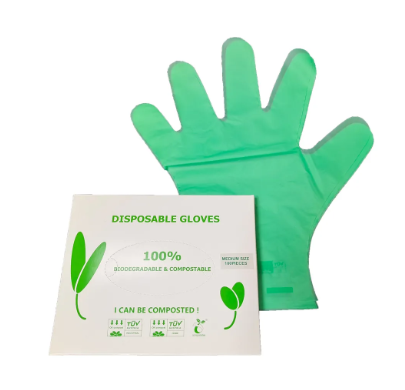
The growing awareness of environmental sustainability has transformed how businesses and consumers approach everyday products, including disposable gloves. Traditional latex and nitrile gloves contribute significantly to landfill waste, taking decades or centuries to decompose. In response to this environmental challenge, biodegradable gloves have emerged as an eco-friendly alternative that maintains functionality while reducing ecological impact. These innovative products offer the same protection and versatility as conventional gloves but break down naturally in appropriate composting conditions, making them an essential consideration for environmentally conscious organizations and individuals.
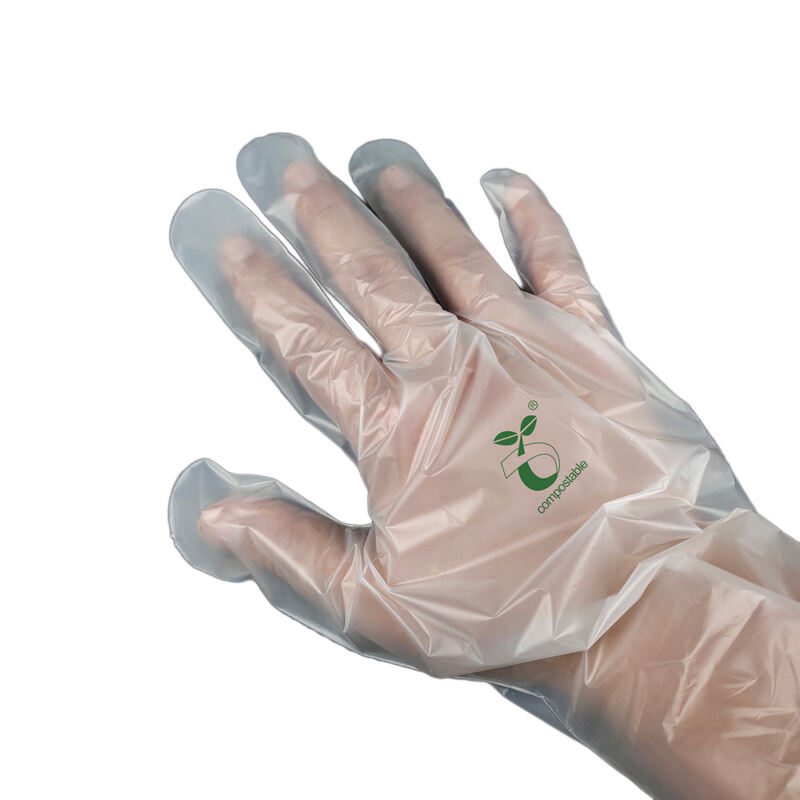
Understanding Biodegradable Glove Materials
Plant-Based Polymer Composition
Modern biodegradable gloves utilize advanced plant-based polymers derived from renewable resources such as cornstarch, potato starch, and sugarcane. These materials undergo sophisticated processing to create flexible, durable films that match the performance characteristics of traditional synthetic gloves. The molecular structure of these biopolymers allows them to maintain integrity during use while enabling complete decomposition when exposed to appropriate environmental conditions. Manufacturing processes have evolved to incorporate additives that enhance strength, elasticity, and barrier properties without compromising biodegradability.
The production of plant-based biodegradable gloves involves extracting natural polymers from agricultural sources and converting them into thermoplastic materials. These materials can be processed using conventional glove manufacturing equipment, ensuring consistent quality and performance. The resulting products exhibit comparable tensile strength, puncture resistance, and chemical barrier properties to petroleum-based alternatives while offering superior end-of-life environmental benefits.
Certification Standards and Testing
Authentic biodegradable gloves must meet rigorous international standards that verify their decomposition characteristics and environmental safety. Organizations such as ASTM International and the Biodegradable Products Institute establish testing protocols that measure biodegradation rates, compostability timelines, and toxicity levels. These certifications ensure that products claiming biodegradability actually break down within specified timeframes without leaving harmful residues in soil or water systems.
The testing process involves exposing glove samples to controlled composting environments and monitoring their decomposition over extended periods. Successful certification requires products to achieve specific percentages of biodegradation within defined timeframes, typically ranging from 90 to 180 days under industrial composting conditions. Additional testing evaluates the safety of decomposition byproducts, ensuring they do not negatively impact plant growth or soil health.
Performance Characteristics and Applications
Strength and Durability Factors
Contemporary biodegradable gloves demonstrate remarkable improvements in mechanical properties compared to early-generation eco-friendly alternatives. Advanced manufacturing techniques produce gloves with tensile strength ratings that rival conventional nitrile and latex products, making them suitable for demanding applications in healthcare, food service, and industrial settings. The polymer chains in modern bio-based materials create strong intermolecular bonds that resist tearing and puncturing during normal use.
Durability testing reveals that high-quality biodegradable gloves maintain their protective barriers throughout extended wear periods. The materials exhibit excellent resistance to oils, acids, and common chemicals encountered in professional environments. Temperature stability allows these gloves to perform effectively across a wide range of operating conditions, from cold storage facilities to heated manufacturing environments.
Chemical Resistance Properties
The chemical resistance profile of biodegradable gloves varies depending on the specific polymer formulation and manufacturing process. Many products offer excellent protection against biological contaminants, making them ideal for medical and laboratory applications. The molecular structure of plant-based polymers provides natural resistance to many organic solvents and cleaning agents commonly used in professional settings.
Breakthrough time testing demonstrates that quality biodegradable gloves maintain effective chemical barriers for periods comparable to traditional synthetic alternatives. However, users should consult manufacturer specifications and conduct their own compatibility testing when working with specialized chemicals or extreme pH conditions. The non-petroleum origin of these materials can actually provide superior resistance to certain hydrocarbon-based substances.
Environmental Impact and Disposal
Composting Requirements and Conditions
Proper disposal of biodegradable gloves requires understanding the specific composting conditions necessary for optimal decomposition. Industrial composting facilities provide the controlled environment of temperature, humidity, and microbial activity needed to break down bio-based polymers efficiently. These facilities maintain temperatures between 140-160°F and ensure adequate oxygen flow and moisture levels to support rapid biodegradation processes.
Home composting systems may not achieve the consistent conditions required for complete decomposition of all biodegradable glove materials. Some advanced formulations are designed specifically for home composting environments, breaking down at lower temperatures over longer periods. Users should verify the composting requirements specified by manufacturers and ensure access to appropriate disposal facilities before selecting biodegradable glove products.
Carbon Footprint Reduction Benefits
The lifecycle carbon footprint of biodegradable gloves typically shows significant advantages over petroleum-based alternatives. The renewable source materials used in production absorb carbon dioxide during growth, partially offsetting manufacturing emissions. Additionally, the biodegradation process returns carbon to natural cycles rather than sequestering it in landfills for extended periods.
Manufacturing energy requirements for biodegradable gloves continue to decrease as production technologies improve and scale increases. Many manufacturers utilize renewable energy sources and implement closed-loop water systems to minimize environmental impact throughout the production process. The reduced dependency on fossil fuel feedstocks also provides long-term sustainability benefits as petroleum resources become scarcer and more expensive.
Selection Criteria and Purchasing Considerations
Size and Fit Specifications
Selecting appropriately sized biodegradable gloves ensures optimal protection and comfort during extended wear periods. Most manufacturers offer standard sizing charts that correspond to traditional glove measurements, but material properties may affect fit characteristics. The flexibility and stretch properties of bio-based polymers can differ from latex or nitrile, potentially requiring size adjustments for optimal performance.
Thickness variations in biodegradable gloves range from lightweight options suitable for food handling to heavy-duty versions designed for industrial applications. Thicker gloves provide enhanced puncture resistance and chemical protection but may reduce tactile sensitivity. Users should balance protection requirements with dexterity needs when selecting appropriate thickness specifications for their specific applications.
Cost Analysis and Value Proposition
The initial purchase price of biodegradable gloves typically exceeds that of conventional alternatives due to higher raw material costs and specialized manufacturing processes. However, comprehensive cost analysis should consider disposal expenses, environmental compliance requirements, and potential waste management savings. Organizations implementing sustainability programs may also realize brand value benefits and regulatory compliance advantages that offset higher product costs.
Volume purchasing agreements and long-term supplier relationships can significantly reduce the cost differential between biodegradable and traditional gloves. As production scales increase and technology advances, price parity is expected to improve, making eco-friendly options more accessible to budget-conscious buyers. The total cost of ownership calculation should include potential future regulatory requirements and waste disposal fee increases that favor biodegradable alternatives.
Quality Assurance and Manufacturer Evaluation
Production Standards and Quality Control
Reputable biodegradable glove manufacturers implement comprehensive quality management systems that ensure consistent product performance and environmental characteristics. These systems typically include incoming material inspection, in-process monitoring, and finished product testing protocols that verify compliance with industry standards and customer specifications. Advanced manufacturers utilize statistical process control methods to maintain tight tolerances on critical performance parameters.
Third-party auditing and certification programs provide additional assurance of manufacturing quality and environmental claims. Organizations such as ISO and various national standards bodies conduct regular facility inspections and product testing to verify compliance with established guidelines. These certifications offer buyers confidence in product authenticity and performance consistency across different production batches.
Supply Chain Transparency and Traceability
Leading biodegradable glove suppliers maintain detailed documentation of their supply chains, from raw material sourcing through final product delivery. This transparency enables buyers to verify the environmental credentials of source materials and manufacturing processes. Traceability systems allow for rapid identification and resolution of quality issues while supporting sustainability reporting requirements for end users.
Sustainable sourcing practices ensure that raw materials come from responsibly managed agricultural operations that support local communities and environmental conservation. Many manufacturers establish direct relationships with farmers and agricultural cooperatives to ensure consistent material quality while promoting sustainable farming practices. This vertical integration approach provides better control over environmental impact and social responsibility throughout the supply chain.
FAQ
How long do biodegradable gloves take to decompose completely
Biodegradable gloves typically decompose within 90 to 180 days under proper industrial composting conditions. The exact timeline depends on the specific material composition, composting temperature, moisture levels, and microbial activity. Home composting environments may require longer periods, potentially extending decomposition to 6-12 months for complete breakdown.
Can biodegradable gloves be used in medical applications
Yes, many biodegradable gloves meet medical-grade standards and regulations for healthcare applications. These products undergo rigorous testing for barrier protection, biocompatibility, and sterility requirements. However, users should verify specific regulatory approvals and performance specifications with manufacturers to ensure compliance with their particular medical or laboratory requirements.
Are biodegradable gloves more expensive than traditional options
Biodegradable gloves typically cost 10-30% more than conventional latex or nitrile alternatives due to higher raw material costs and specialized manufacturing processes. However, the price gap continues to narrow as production volumes increase and technology improves. Organizations should consider total lifecycle costs, including disposal fees and environmental compliance benefits, when evaluating the economic impact.
Do biodegradable gloves offer the same chemical protection as synthetic gloves
High-quality biodegradable gloves provide chemical resistance comparable to traditional synthetic alternatives for most common applications. However, specific chemical compatibility varies depending on the bio-based polymer formulation. Users working with specialized chemicals or extreme conditions should consult manufacturer chemical resistance charts and conduct their own compatibility testing to ensure adequate protection.

