
 EN
EN
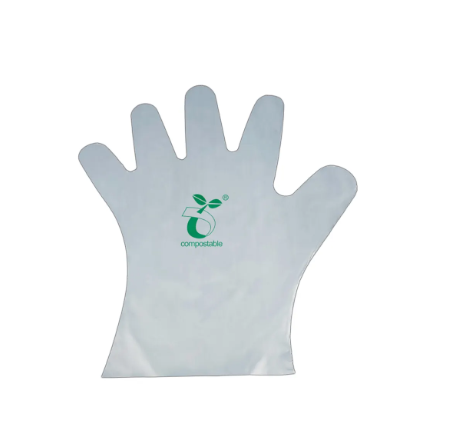
The growing awareness of environmental sustainability has transformed how we approach everyday products, including protective gear for our homes and gardens. Modern consumers are increasingly seeking alternatives that minimize environmental impact while maintaining functionality and protection. This shift toward conscious consumption has led to innovative solutions that balance performance with ecological responsibility, particularly in the realm of protective wear for various applications.

Traditional disposable gloves have long posed significant environmental challenges due to their petroleum-based materials and resistance to decomposition. However, recent advances in sustainable materials science have paved the way for biodegradable alternatives that offer comparable protection without the lasting environmental footprint. These innovations represent a crucial step forward in reducing waste while maintaining the safety and hygiene standards required for various tasks around the home and garden.
Understanding Sustainable Glove Materials
Plant-Based Polymer Innovations
The foundation of sustainable protective wear lies in revolutionary plant-based polymers derived from renewable resources. These materials, including polylactic acid (PLA) and polybutylene adipate terephthalate (PBAT), offer remarkable properties that closely match traditional synthetic options. PLA, extracted from fermented corn starch, provides excellent barrier protection while maintaining flexibility and comfort during extended use periods.
PBAT complements PLA by enhancing durability and tear resistance, creating a hybrid material that performs exceptionally well under various conditions. This combination results in gloves that maintain structural integrity while offering superior biodegradability compared to conventional petroleum-based alternatives. The manufacturing process for these materials also generates significantly lower carbon emissions, contributing to overall environmental benefits throughout the product lifecycle.
Cornstarch Composition Benefits
Cornstarch serves as a primary component in many sustainable glove formulations, offering unique advantages in both performance and environmental impact. This natural polymer provides excellent flexibility and comfort, adapting well to hand movements during detailed tasks. The material's inherent properties allow for thin yet durable construction, ensuring adequate protection without compromising dexterity or sensitivity.
The biodegradation process for cornstarch-based materials occurs through natural enzymatic breakdown, typically completing decomposition within 90 to 180 days under appropriate composting conditions. This rapid degradation timeline represents a substantial improvement over traditional materials that can persist in landfills for decades. Additionally, the agricultural sourcing of cornstarch supports renewable resource cycles and reduces dependence on finite fossil fuel reserves.
Applications in Home Maintenance
Cleaning and Sanitization Tasks
Household cleaning activities benefit significantly from sustainable protective options that provide necessary barrier protection while supporting environmental goals. Eco friendly gloves excel in kitchen cleanup, bathroom sanitization, and general surface cleaning tasks where chemical exposure and contamination prevention are priorities. Their chemical resistance properties ensure safe handling of common household cleaners while maintaining skin protection.
These sustainable options prove particularly valuable for individuals with sensitive skin or allergies to latex and synthetic materials commonly found in traditional disposable gloves. The hypoallergenic nature of plant-based materials reduces the risk of adverse reactions while providing reliable protection against harsh cleaning chemicals and potential contaminants. This combination of safety and sustainability makes them ideal for regular household maintenance routines.
Food Preparation and Handling
Food safety protocols in home kitchens increasingly incorporate sustainable protective wear that meets both hygiene standards and environmental considerations. These biodegradable options provide effective barriers against cross-contamination during meal preparation, particularly when handling raw proteins or allergen-containing ingredients. Their food-safe composition ensures no harmful chemicals leach into consumables during direct contact.
The texture and grip characteristics of sustainable materials often surpass traditional options, providing enhanced control when handling slippery or delicate ingredients. This improved tactile feedback reduces the likelihood of accidents while maintaining the sterile environment necessary for safe food preparation. The ability to compost these gloves after use aligns perfectly with kitchen waste management practices and organic recycling efforts.
Garden and Outdoor Applications
Soil and Plant Care
Gardening enthusiasts increasingly recognize the contradiction in using environmentally harmful protective gear while cultivating sustainable growing practices. Biodegradable alternatives seamlessly integrate with organic gardening philosophies, providing necessary protection against soil pathogens, plant irritants, and chemical fertilizers without introducing persistent pollutants into the growing environment. These materials safely decompose alongside organic garden waste.
The durability of modern sustainable formulations withstands the rigors of soil cultivation, pruning, and harvesting activities while maintaining comfortable fit throughout extended gardening sessions. Their resistance to punctures and tears ensures reliable protection against thorns, rough bark, and sharp gardening tools. The breathable nature of plant-based materials also reduces hand moisture buildup during intensive outdoor work.
Landscaping and Maintenance Projects
Professional and amateur landscapers benefit from sustainable protective options that perform reliably across diverse outdoor conditions while supporting environmental stewardship goals. These eco friendly gloves provide excellent protection during mulching, composting, and general yard maintenance activities where exposure to organic debris and potential allergens is common. Their robust construction handles repeated use scenarios typical in landscape management.
Weather resistance properties ensure consistent performance across various seasonal conditions, from humid summer gardening to damp autumn cleanup tasks. The materials maintain flexibility and grip characteristics even when exposed to moisture, ensuring reliable protection and control during outdoor work. This weather adaptability extends their practical application range throughout the growing season and beyond.
Environmental Impact and Disposal
Biodegradation Process
The environmental benefits of sustainable protective wear extend far beyond initial material sourcing to encompass the complete product lifecycle, including disposal and decomposition phases. Under proper composting conditions, these materials begin breaking down within weeks of disposal, with complete biodegradation typically occurring within three to six months. This rapid timeline contrasts sharply with traditional synthetic materials that persist for decades.
The decomposition process produces only harmless byproducts, including water, carbon dioxide, and organic matter that enriches soil composition. This natural breakdown cycle supports circular economy principles by returning nutrients to the ecosystem rather than accumulating as persistent waste. Commercial composting facilities readily accept these materials, making proper disposal accessible to most consumers.
Carbon Footprint Reduction
Manufacturing processes for plant-based protective materials generate significantly lower greenhouse gas emissions compared to petroleum-based alternatives. The renewable nature of source materials means carbon absorbed during plant growth partially offsets production emissions, resulting in a substantially reduced net carbon footprint. This lifecycle assessment advantage becomes more pronounced when considering the elimination of long-term landfill impacts.
Transportation and packaging innovations further enhance environmental benefits through optimized supply chain efficiency and reduced material usage. Many manufacturers implement carbon-neutral shipping programs and utilize recycled packaging materials, creating comprehensive sustainability approaches that extend beyond product composition alone. These holistic environmental strategies demonstrate genuine commitment to ecological responsibility.
Performance Comparison with Traditional Options
Durability and Strength Metrics
Extensive testing reveals that modern sustainable formulations match or exceed traditional synthetic materials in key performance indicators including tensile strength, puncture resistance, and chemical barrier properties. Independent laboratory assessments confirm that eco friendly gloves maintain structural integrity under conditions that would compromise inferior alternatives. This performance parity eliminates compromise concerns when transitioning to sustainable options.
Standardized testing protocols, including ASTM and EN certification requirements, validate the protective capabilities of these biodegradable alternatives across multiple application scenarios. The materials demonstrate excellent resistance to common household chemicals, organic solvents, and biological contaminants while maintaining comfortable flexibility throughout extended use periods. These validated performance characteristics support confidence in protective effectiveness.
Cost-Effectiveness Analysis
Economic considerations increasingly favor sustainable alternatives as production volumes scale and manufacturing efficiency improves. While initial costs may slightly exceed traditional options, the total cost of ownership often proves favorable when considering disposal fees, environmental compliance costs, and potential regulatory changes favoring biodegradable materials. Many regions offer incentives or preferred procurement policies for sustainable products.
Bulk purchasing options and subscription services further improve cost competitiveness while ensuring consistent supply availability. The longer shelf life of properly stored biodegradable materials also reduces waste from expired inventory, contributing to overall economic efficiency. These factors combine to create compelling financial arguments alongside environmental benefits.
Selection Guidelines and Best Practices
Application-Specific Recommendations
Choosing appropriate sustainable protective wear requires matching specific material properties to intended applications and environmental conditions. Light-duty tasks such as food preparation and basic cleaning benefit from thinner formulations that maximize dexterity and tactile sensitivity. Heavy-duty applications including landscaping and construction require thicker, more robust materials with enhanced puncture and tear resistance.
Chemical compatibility considerations become particularly important when selecting eco friendly gloves for specialized applications involving specific cleaning agents or garden chemicals. Manufacturer specifications typically include comprehensive compatibility charts that guide appropriate selection based on intended chemical exposure scenarios. Understanding these limitations ensures optimal protection while maintaining material integrity throughout use.
Storage and Handling Considerations
Proper storage practices maximize the lifespan and performance characteristics of biodegradable protective materials while preventing premature degradation. Cool, dry storage environments away from direct sunlight preserve material flexibility and strength properties. Sealed packaging prevents moisture absorption that could trigger premature breakdown processes or compromise barrier protection capabilities.
Rotation protocols ensure older inventory receives priority usage while maintaining fresh stock for future needs. Dating systems help track storage duration and identify products approaching optimal use periods. These simple management practices optimize investment value while ensuring consistent protective performance across all applications requiring sustainable protective wear solutions.
FAQ
How long do eco friendly gloves take to decompose in home compost
Most eco friendly gloves decompose completely within 90 to 180 days in properly maintained home compost systems with adequate temperature, moisture, and oxygen levels. The breakdown process begins within the first few weeks as microorganisms start breaking down the plant-based polymers. Factors such as compost temperature, pH levels, and microbial activity influence the exact timeline, but complete biodegradation typically occurs faster than commercial composting facilities due to more controlled home environments.
Are biodegradable gloves as protective as traditional latex or nitrile options
Modern eco friendly gloves meet the same safety standards and performance specifications as traditional synthetic materials, including resistance to chemicals, punctures, and biological contaminants. Independent testing confirms that plant-based formulations provide equivalent barrier protection while maintaining flexibility and durability required for demanding applications. Many sustainable options actually exceed traditional materials in certain performance metrics such as tear resistance and comfort during extended wear.
Can sustainable gloves be used for medical or food service applications
Many eco friendly gloves receive certifications for food contact and medical applications, meeting FDA requirements and international safety standards. The materials undergo rigorous testing for biocompatibility, chemical migration, and barrier effectiveness to ensure they provide adequate protection in sensitive environments. However, specific certifications vary by manufacturer and product line, so verification of appropriate approvals is essential before use in regulated industries or critical applications.
What is the cost difference between sustainable and traditional disposable gloves
The price premium for eco friendly gloves has decreased significantly as production scales increase and manufacturing processes improve. Current market prices typically range from 10 to 30 percent higher than traditional options, but this gap continues to narrow. When factoring in disposal costs, environmental compliance expenses, and potential future regulations favoring sustainable materials, the total cost of ownership often favors biodegradable alternatives, especially for environmentally conscious consumers and businesses.

