
 EN
EN
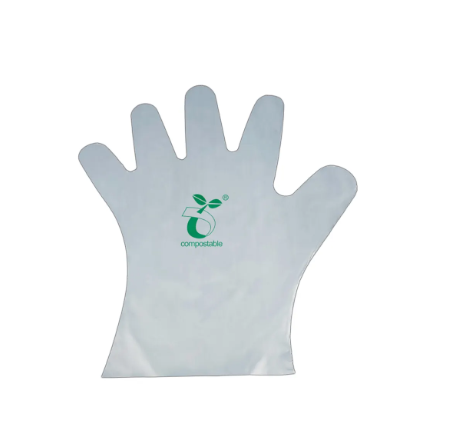
The foodservice industry faces mounting pressure to adopt sustainable practices while maintaining hygiene standards and operational efficiency. Traditional disposable gloves contribute significantly to plastic waste, with millions ending up in landfills annually. Compostable gloves offer a revolutionary solution that addresses environmental concerns without compromising food safety requirements. These innovative protective products decompose naturally under proper conditions, transforming waste streams into valuable organic matter. By integrating compostable gloves into daily operations, restaurants, catering companies, and institutional kitchens can dramatically reduce their environmental footprint while meeting consumer demand for eco-conscious business practices.
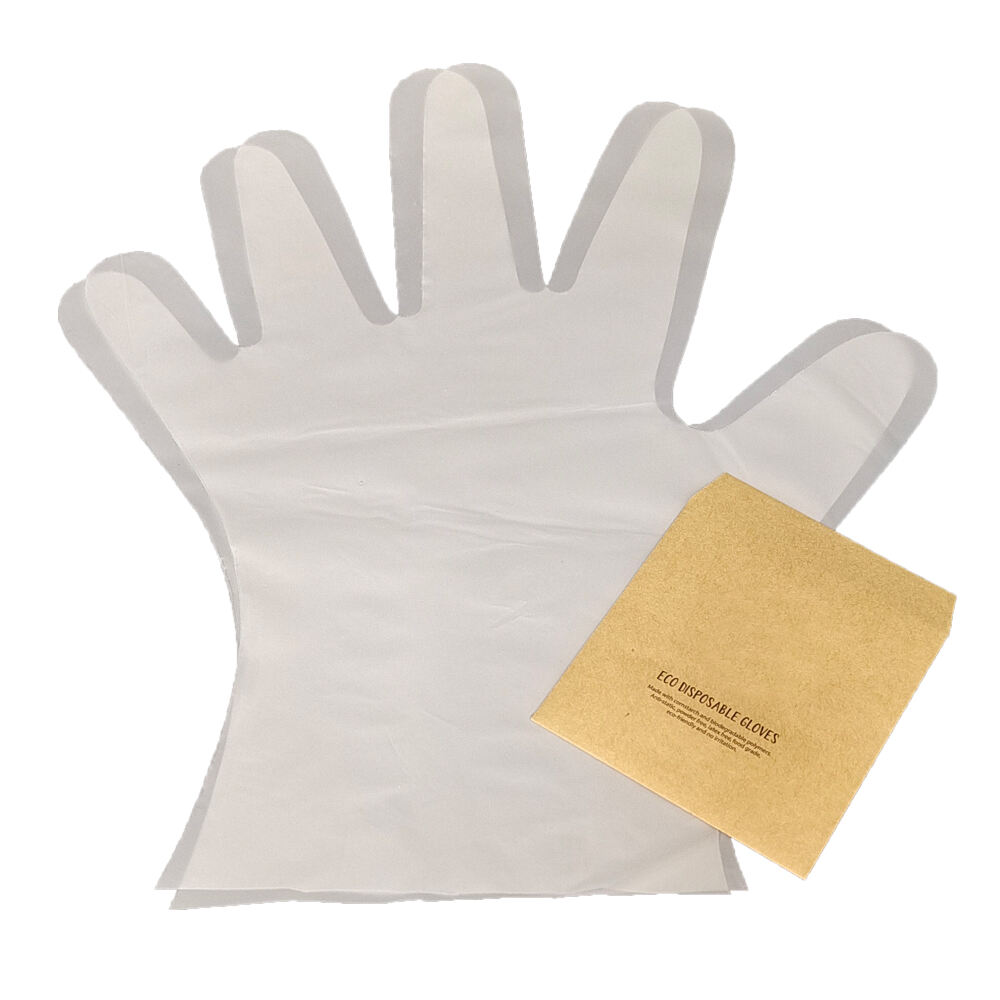
Environmental Benefits of Compostable Gloves in Food Operations
Waste Reduction and Circular Economy Integration
Compostable gloves fundamentally transform waste management in foodservice establishments by eliminating long-term environmental impact. Unlike conventional vinyl or nitrile gloves that persist in landfills for decades, these biodegradable alternatives break down completely within commercial composting facilities. The decomposition process typically occurs within 90 to 180 days under proper conditions, leaving no toxic residues or microplastics. This rapid breakdown supports circular economy principles by converting waste into nutrient-rich compost that enriches soil quality. Foodservice operators implementing compostable gloves contribute directly to reducing methane emissions from landfills while supporting sustainable agriculture through quality compost production.
The environmental advantages extend beyond waste reduction to include decreased carbon footprint throughout the product lifecycle. Manufacturing processes for compostable gloves typically require less energy and generate fewer greenhouse gas emissions compared to petroleum-based alternatives. Raw materials sourced from renewable plant-based sources like cornstarch and PLA create a more sustainable supply chain. When multiplied across thousands of foodservice establishments, the collective environmental impact becomes substantial, supporting broader climate action goals and regulatory compliance initiatives.
Resource Conservation and Sustainable Sourcing
The production of compostable gloves relies on renewable biomass rather than finite fossil fuel resources, creating a more sustainable manufacturing foundation. Plant-based materials like cornstarch, potato starch, and other agricultural byproducts provide abundant raw material sources that regenerate annually. This renewable approach reduces dependence on petroleum extraction while supporting agricultural economies and rural communities. The sourcing model encourages responsible farming practices and often utilizes agricultural waste streams that might otherwise require disposal.
Water usage in manufacturing compostable gloves typically demonstrates improved efficiency compared to traditional synthetic glove production. The processing methods require fewer chemical treatments and harsh solvents, reducing water contamination risks and treatment requirements. Additionally, the biodegradable nature eliminates concerns about persistent plastic pollution in waterways and marine environments. Foodservice operators selecting compostable gloves actively participate in protecting aquatic ecosystems while maintaining necessary hygiene standards.
Performance Standards and Food Safety Compliance
Barrier Protection and Durability Characteristics
Modern compostable gloves meet rigorous food safety standards while providing reliable barrier protection against contamination. Advanced manufacturing techniques ensure these biodegradable products offer comparable puncture resistance and tear strength to conventional disposable gloves. The material composition creates effective barriers against bacteria, viruses, and other pathogens, maintaining food safety integrity throughout handling processes. Laboratory testing demonstrates that quality compostable gloves withstand typical foodservice tasks including food preparation, cleaning, and sanitization procedures.
Temperature resistance capabilities of compostable gloves accommodate various foodservice applications from cold storage handling to moderate heat exposure. The materials maintain structural integrity across normal food handling temperature ranges, preventing premature degradation during use. Chemical resistance properties protect against common cleaning agents and sanitizers used in commercial kitchens. These performance characteristics ensure that compostable gloves provide reliable protection without compromising operational efficiency or safety protocols.
Regulatory Compliance and Certification Standards
Compostable gloves designed for foodservice applications must meet stringent regulatory requirements including FDA food contact approvals and ASTM compostability standards. These certifications verify that materials are safe for food handling while ensuring complete biodegradation under commercial composting conditions. Third-party testing validates performance claims and provides documentation necessary for regulatory compliance audits. Foodservice operators can confidently implement these products knowing they meet both environmental goals and mandatory safety requirements.
International certification programs like BPI (Biodegradable Products Institute) and TUV Austria provide additional verification of compostability claims. These certifications require comprehensive testing to demonstrate complete biodegradation within specified timeframes without toxic residue formation. The certification process includes evaluation of disintegration rates, chemical composition analysis, and ecotoxicity testing. Verified products display certification logos that communicate environmental benefits to customers and regulatory authorities, supporting sustainability marketing initiatives.
Cost-Effectiveness and Operational Implementation
Economic Benefits and Total Cost Analysis
Initial procurement costs for compostable gloves may exceed conventional alternatives, but comprehensive cost analysis reveals significant long-term economic advantages. Waste disposal expenses decrease substantially when compostable gloves enter organic waste streams rather than general refuse requiring landfill disposal. Many municipalities offer reduced rates for organic waste collection, creating immediate operational savings. Additionally, some regions provide tax incentives or rebates for businesses implementing certified compostable products, further improving cost competitiveness.
Brand value enhancement through sustainable practices often translates to increased customer loyalty and premium pricing opportunities. Consumer research consistently demonstrates willingness to pay higher prices for environmentally responsible products and services. Foodservice establishments marketing their use of compostable gloves attract environmentally conscious customers while differentiating from competitors. The positive brand association supports customer retention and attracts new clientele aligned with sustainable values, ultimately improving revenue generation and market positioning.
Supply Chain Integration and Procurement Strategies
Successful implementation of compostable gloves requires strategic supply chain planning to ensure consistent availability and quality standards. Established suppliers offer bulk purchasing programs that improve unit costs while guaranteeing supply continuity. Long-term procurement contracts provide price stability and enable better budget planning for sustainability initiatives. Working with certified suppliers ensures product quality consistency and regulatory compliance throughout the supply relationship.
Inventory management for compostable gloves requires attention to storage conditions that preserve product integrity while preventing premature degradation. Proper storage in cool, dry environments extends shelf life and maintains performance characteristics. Distribution logistics must consider temperature control and moisture protection during transportation. Training purchasing staff on proper handling and storage procedures ensures optimal product performance and cost effectiveness throughout the supply chain.
Staff Training and Change Management
Employee Education and Adoption Strategies
Successful transition to compostable gloves depends heavily on comprehensive staff education about product benefits and proper usage techniques. Training programs should emphasize environmental advantages while addressing any performance concerns or misconceptions about biodegradable materials. Hands-on demonstrations allow employees to experience product quality and durability firsthand, building confidence in the transition. Clear communication about sustainability goals helps staff understand their role in achieving organizational environmental objectives.
Implementation timelines should allow gradual transition periods where staff become comfortable with new products before full deployment. Feedback collection during pilot programs identifies potential issues and optimization opportunities. Success stories and positive outcomes should be shared across teams to build momentum for broader adoption. Recognition programs that acknowledge employee participation in sustainability initiatives reinforce positive behaviors and support cultural change toward environmental responsibility.
Workflow Integration and Process Optimization
Integrating compostable gloves into existing workflows requires minimal process changes while maximizing environmental benefits. Standard operating procedures should be updated to reflect proper disposal methods that direct used gloves to compost streams rather than general waste. Clear labeling of disposal containers prevents cross-contamination between compostable and non-compostable waste streams. Regular monitoring ensures compliance with new procedures and identifies areas needing additional training or support.
Optimization opportunities often emerge during implementation as staff identify ways to maximize the environmental benefits of compostable gloves. Some operations discover opportunities to expand compostable product usage to other disposable items like food containers or utensils. Cross-training between departments ensures consistent implementation across all food handling areas. Documentation of process improvements and lessons learned supports continuous improvement and helps other locations or similar businesses implement their own sustainability programs.
Market Trends and Future Outlook
Industry Adoption Patterns and Growth Projections
The market for compostable gloves in foodservice applications continues expanding rapidly as environmental regulations tighten and consumer expectations evolve. Industry analysis shows double-digit growth rates in sustainable foodservice packaging and disposables, with compostable gloves representing a significant segment. Major restaurant chains and institutional foodservice providers increasingly mandate sustainable alternatives across their operations. This large-scale adoption drives economies of scale that improve cost competitiveness and product availability.
Regional variations in adoption rates often correlate with local environmental regulations and consumer awareness levels. Coastal areas and urban markets typically demonstrate higher adoption rates due to stricter environmental policies and more environmentally conscious customer bases. However, suburban and rural markets show increasing interest as sustainability messaging reaches broader audiences. The expansion pattern suggests that compostable gloves will become standard practice across diverse geographic and demographic markets within the next decade.
Technology Advancement and Product Innovation
Ongoing research and development efforts focus on enhancing performance characteristics while maintaining environmental benefits of compostable gloves. Material science advances produce stronger, more durable formulations that extend wear time and improve puncture resistance. New manufacturing techniques reduce production costs while improving quality consistency. These technological improvements address historical concerns about biodegradable product performance, making compostable gloves increasingly competitive with conventional alternatives.
Future innovations may include enhanced features like antimicrobial properties derived from natural sources or improved tactile sensitivity for detailed food preparation tasks. Smart packaging solutions could provide better inventory management and freshness indicators. Color-coding options help differentiate tasks and prevent cross-contamination while maintaining compostability. These advancing capabilities ensure that compostable gloves continue meeting evolving foodservice needs while supporting sustainability objectives.
FAQ
How long do compostable gloves take to break down in commercial composting facilities
Compostable gloves typically decompose completely within 90 to 180 days under proper commercial composting conditions. The exact timeframe depends on factors like temperature, moisture levels, oxygen availability, and microbial activity in the composting environment. Industrial composting facilities maintain optimal conditions that accelerate decomposition compared to home composting systems. The breakdown process leaves no toxic residues and produces nutrient-rich compost suitable for agricultural applications.
Are compostable gloves as strong and durable as traditional vinyl or nitrile gloves
Modern compostable gloves offer comparable strength and durability to conventional disposable gloves when properly manufactured and stored. Advanced material formulations provide excellent puncture resistance and tear strength suitable for typical foodservice applications. While extremely heavy-duty applications might still require specialized synthetic gloves, compostable alternatives meet performance requirements for most food handling, preparation, and cleaning tasks. Regular quality testing ensures consistent performance standards across production batches.
Can compostable gloves be disposed of with regular food waste in restaurants
Compostable gloves should be disposed of through certified commercial composting programs rather than mixed with regular food waste unless the facility specifically accepts certified compostable products. Many commercial composting operations require separate collection of compostable packaging materials to ensure proper processing conditions. Restaurants should verify with their waste management provider about accepted materials and proper disposal procedures. Home composting systems typically cannot achieve the temperatures necessary for complete breakdown of compostable gloves.
Do compostable gloves cost significantly more than traditional disposable gloves
Initial purchase prices for compostable gloves typically range from 10 to 30 percent higher than conventional alternatives, but total cost analysis often reveals comparable or lower long-term expenses. Reduced waste disposal costs, potential tax incentives, and brand value benefits can offset higher procurement prices. Volume purchasing and long-term contracts improve cost competitiveness as market adoption increases. The price differential continues narrowing as production scales expand and manufacturing efficiency improves across the industry.
Table of Contents
- Environmental Benefits of Compostable Gloves in Food Operations
- Performance Standards and Food Safety Compliance
- Cost-Effectiveness and Operational Implementation
- Staff Training and Change Management
- Market Trends and Future Outlook
-
FAQ
- How long do compostable gloves take to break down in commercial composting facilities
- Are compostable gloves as strong and durable as traditional vinyl or nitrile gloves
- Can compostable gloves be disposed of with regular food waste in restaurants
- Do compostable gloves cost significantly more than traditional disposable gloves

