
 EN
EN
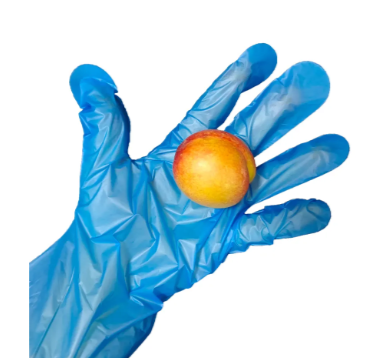
Food processing facilities face stringent safety and hygiene requirements that demand comprehensive protection for workers handling raw materials, prepared foods, and equipment. Within these environments, disposable plastic gloves serve as a critical barrier between workers and potential contaminants, ensuring both product quality and employee safety. These protective barriers have become indispensable in maintaining the high standards required by food safety regulations while protecting workers from chemical exposure, cuts, and cross-contamination risks.

Modern food processing operations rely heavily on personal protective equipment to maintain operational efficiency while adhering to strict health codes. The implementation of proper hand protection protocols has revolutionized how facilities approach worker safety and product integrity. Understanding the specific protective functions of disposable plastic gloves helps facility managers make informed decisions about their safety equipment investments and training programs.
Essential Barrier Protection Functions
Chemical Resistance Properties
Food processing environments frequently expose workers to various cleaning chemicals, sanitizers, and food-grade acids that can cause skin irritation or chemical burns. Disposable plastic gloves create an effective barrier against these substances, preventing direct skin contact during cleaning operations and equipment sanitization. The chemical resistance varies depending on the specific polymer composition, with different materials offering varying levels of protection against specific chemicals commonly used in food processing facilities.
Workers handling acidic foods like tomatoes, citrus fruits, or vinegar-based products benefit significantly from the chemical barrier properties of these protective gloves. The barrier prevents skin absorption of acidic compounds that could lead to dermatitis or other skin conditions over prolonged exposure periods. Additionally, the gloves protect against alkaline cleaning solutions used during facility sanitation procedures, which can be particularly harsh on unprotected skin.
Biological Contamination Prevention
The primary function of disposable plastic gloves in food processing involves preventing cross-contamination between different food products and protecting workers from exposure to harmful bacteria, viruses, and other pathogens. These gloves create a physical barrier that prevents microorganisms from transferring from contaminated surfaces to clean areas or from raw foods to processed products. This barrier protection is essential in facilities processing raw meats, poultry, or seafood where pathogenic bacteria pose significant health risks.
Regular glove changes throughout processing shifts ensure that contamination risks remain minimal while maintaining the integrity of the protective barrier. The single-use nature of disposable plastic gloves eliminates concerns about inadequate cleaning between uses, providing consistent protection throughout work shifts. This approach significantly reduces the likelihood of foodborne illness outbreaks while protecting workers from exposure to potentially dangerous pathogens.
Physical Protection Mechanisms
Cut and Abrasion Resistance
Food processing operations involve extensive use of sharp knives, slicing equipment, and cutting tools that pose laceration risks to workers. Disposable plastic gloves provide a crucial first line of defense against minor cuts and abrasions during food preparation activities. While these gloves cannot prevent serious cuts from sharp blades, they significantly reduce the frequency of minor injuries that can occur during routine handling of food products and equipment.
The protective barrier also prevents small cuts and scratches from becoming contaminated with food particles or processing chemicals. Even minor skin breaks can become entry points for bacteria and other contaminants, making the protective barrier function of disposable plastic gloves essential for maintaining worker health. The smooth surface of these gloves also reduces friction-related injuries that can occur during repetitive motions common in food processing environments.
Temperature Protection Benefits
Many food processing operations involve handling products at extreme temperatures, from frozen foods requiring sub-zero handling to heated processing applications. Disposable plastic gloves provide thermal protection that allows workers to handle cold products without experiencing frostbite or thermal shock to their hands. The insulating properties of these gloves enable extended handling of frozen foods while maintaining dexterity and comfort.
Heat protection becomes particularly important in facilities processing cooked foods or operating steam cleaning equipment. The gloves provide a barrier against heated surfaces and steam exposure that could otherwise cause burns or scalding injuries. This thermal protection enables workers to perform their duties safely while maintaining the speed and efficiency required in high-volume food processing operations.
Hygiene and Sanitation Advantages
Maintaining Food Safety Standards
Regulatory compliance in food processing requires strict adherence to hygiene protocols that mandate the use of appropriate protective equipment. Disposable plastic gloves play a central role in meeting HACCP requirements and FDA guidelines for food handling safety. These gloves prevent direct hand contact with food products, eliminating the risk of contamination from skin oils, dirt, or microorganisms that may be present on workers' hands despite proper washing procedures.
The single-use design of disposable plastic gloves ensures that each food handling task begins with a clean, uncontaminated barrier. This approach eliminates concerns about cross-contamination between different food products or processing areas that could occur with reusable gloves. Facilities can maintain detailed records of glove usage as part of their quality assurance documentation, demonstrating compliance with food safety regulations during inspections.
Contamination Control Systems
Effective contamination control in food processing facilities relies on systematic approaches to preventing cross-contamination between different processing areas. Disposable plastic gloves serve as a key component in these systems by providing a controlled barrier that can be changed between different tasks or work areas. Color-coded glove systems enable facilities to designate specific glove types for different processing zones, further reducing contamination risks.
The ability to quickly change disposable plastic gloves between tasks enables workers to maintain optimal hygiene without interrupting production flow. This efficiency advantage supports both safety objectives and operational productivity goals. Proper glove changing procedures, combined with appropriate disposal systems, create comprehensive contamination control that protects both products and workers throughout processing operations.
Worker Comfort and Performance
Ergonomic Design Features
Modern disposable plastic gloves incorporate ergonomic design elements that enhance worker comfort during extended wear periods. These improvements include textured fingertips for improved grip, anatomical shaping that reduces hand fatigue, and materials that provide flexibility without compromising protection. The lightweight nature of these gloves minimizes the additional burden on workers' hands while maintaining full dexterity for detailed food handling tasks.
Proper fit is crucial for both protection and comfort, making size availability an important consideration in glove selection. Well-fitted disposable plastic gloves reduce the risk of tears or punctures while enabling workers to maintain fine motor control required for precise food preparation tasks. The comfort factor directly impacts worker compliance with safety protocols, making ergonomic design a critical element in overall facility safety programs.
Productivity Enhancement Benefits
The protection provided by disposable plastic gloves enables workers to handle food products more confidently and efficiently, knowing they have appropriate barrier protection. This confidence translates into improved productivity as workers can focus on their tasks rather than concerns about exposure to contaminants or chemicals. The quick-change capability of disposable gloves also minimizes downtime associated with cleaning and sanitizing reusable protective equipment.
Enhanced grip properties of textured disposable plastic gloves improve handling efficiency for wet or slippery food products. This improved control reduces the likelihood of dropped products or handling errors that could impact product quality or create safety hazards. The combination of protection and performance benefits makes these gloves essential tools for maintaining both worker safety and operational efficiency in food processing environments.
Material Selection and Performance
Polymer Technology Advances
The development of advanced polymer materials has significantly improved the performance characteristics of disposable plastic gloves used in food processing applications. Modern materials offer enhanced barrier properties while maintaining flexibility and tactile sensitivity required for detailed food handling tasks. These technological advances have resulted in thinner gloves that provide equivalent or superior protection compared to earlier, thicker designs.
Different polymer formulations provide varying levels of chemical resistance, puncture resistance, and flexibility to match specific application requirements. Facilities can select disposable plastic gloves optimized for their particular processing requirements, whether handling acidic foods, working with cleaning chemicals, or requiring extended wear periods. The availability of multiple material options enables customized protection strategies that balance safety, comfort, and cost considerations.
Quality Assurance Standards
Manufacturing standards for disposable plastic gloves used in food processing environments require compliance with strict quality control measures to ensure consistent performance. These standards include testing for pinhole defects, thickness uniformity, and chemical resistance properties that directly impact protective performance. Regular quality audits ensure that gloves meet or exceed specified performance criteria throughout production runs.
Certification requirements for food-grade disposable plastic gloves include FDA approval for food contact applications and compliance with relevant ASTM testing standards. These certifications provide assurance that the gloves will perform as expected in food processing environments without introducing contaminants or compromising food safety. Documentation of compliance supports facility quality assurance programs and regulatory compliance efforts.
Implementation and Best Practices
Training and Compliance Programs
Successful implementation of disposable plastic gloves in food processing facilities requires comprehensive training programs that educate workers on proper usage, changing procedures, and disposal protocols. Training should emphasize the importance of maintaining glove integrity throughout use and recognizing signs of damage that require immediate replacement. Regular refresher training ensures that safety protocols remain current and effective.
Compliance monitoring systems track glove usage patterns and identify areas where additional training or procedural improvements may be needed. These systems help facilities maintain consistent safety standards while identifying cost optimization opportunities. Documentation of training completion and compliance monitoring supports regulatory compliance and demonstrates commitment to worker safety and food quality objectives.
Cost-Effectiveness Analysis
While disposable plastic gloves represent an ongoing operational expense, their cost-effectiveness becomes apparent when considering the potential costs of workplace injuries, product contamination incidents, or regulatory violations. The prevention of even a single serious injury or contamination event can justify significant glove program expenses. Additionally, the productivity benefits and reduced cleaning requirements often offset a substantial portion of glove costs.
Bulk purchasing programs and strategic supplier relationships can significantly reduce the per-unit cost of disposable plastic gloves while ensuring consistent supply availability. Facilities should consider total cost of ownership including training, storage, and disposal costs when evaluating glove program economics. The long-term benefits of reduced insurance claims, improved regulatory compliance, and enhanced worker satisfaction contribute to the overall value proposition of comprehensive glove programs.
FAQ
How often should disposable plastic gloves be changed during food processing operations?
Disposable plastic gloves should be changed immediately after handling raw foods, before handling ready-to-eat products, after touching contaminated surfaces, and whenever gloves become torn or punctured. Generally, gloves should be changed at least every two hours during continuous use, or more frequently if working conditions require it. The specific change frequency may vary based on facility protocols and the type of food processing activities being performed.
What is the difference between food-grade and industrial disposable plastic gloves?
Food-grade disposable plastic gloves must meet FDA requirements for direct food contact, ensuring they do not contain harmful chemicals or additives that could migrate into food products. These gloves undergo specific testing for food safety compliance and are manufactured under stricter quality control standards. Industrial gloves may contain additives or processing aids that are not approved for food contact applications, making proper specification critical for food processing facilities.
Can disposable plastic gloves protect against all chemicals used in food processing facilities?
While disposable plastic gloves provide protection against many common chemicals used in food processing, they are not resistant to all chemical exposures. The level of protection depends on the specific glove material, chemical concentration, contact time, and temperature conditions. Facilities should consult chemical resistance charts and conduct compatibility testing to ensure appropriate protection for their specific chemical exposure risks. Some applications may require specialized chemical-resistant gloves beyond standard food-grade options.
What proper disposal procedures should be followed for used disposable plastic gloves?
Used disposable plastic gloves should be removed carefully to avoid contaminating hands or surfaces, turned inside-out during removal, and disposed of immediately in designated waste containers. Hands should be washed thoroughly after glove removal, even when gloves appeared to remain intact during use. Contaminated gloves from raw food handling may require disposal as biological waste depending on local regulations. Facilities should establish clear disposal protocols and provide adequate waste collection points throughout processing areas to encourage proper disposal practices.
Table of Contents
- Essential Barrier Protection Functions
- Physical Protection Mechanisms
- Hygiene and Sanitation Advantages
- Worker Comfort and Performance
- Material Selection and Performance
- Implementation and Best Practices
-
FAQ
- How often should disposable plastic gloves be changed during food processing operations?
- What is the difference between food-grade and industrial disposable plastic gloves?
- Can disposable plastic gloves protect against all chemicals used in food processing facilities?
- What proper disposal procedures should be followed for used disposable plastic gloves?

