
 EN
EN
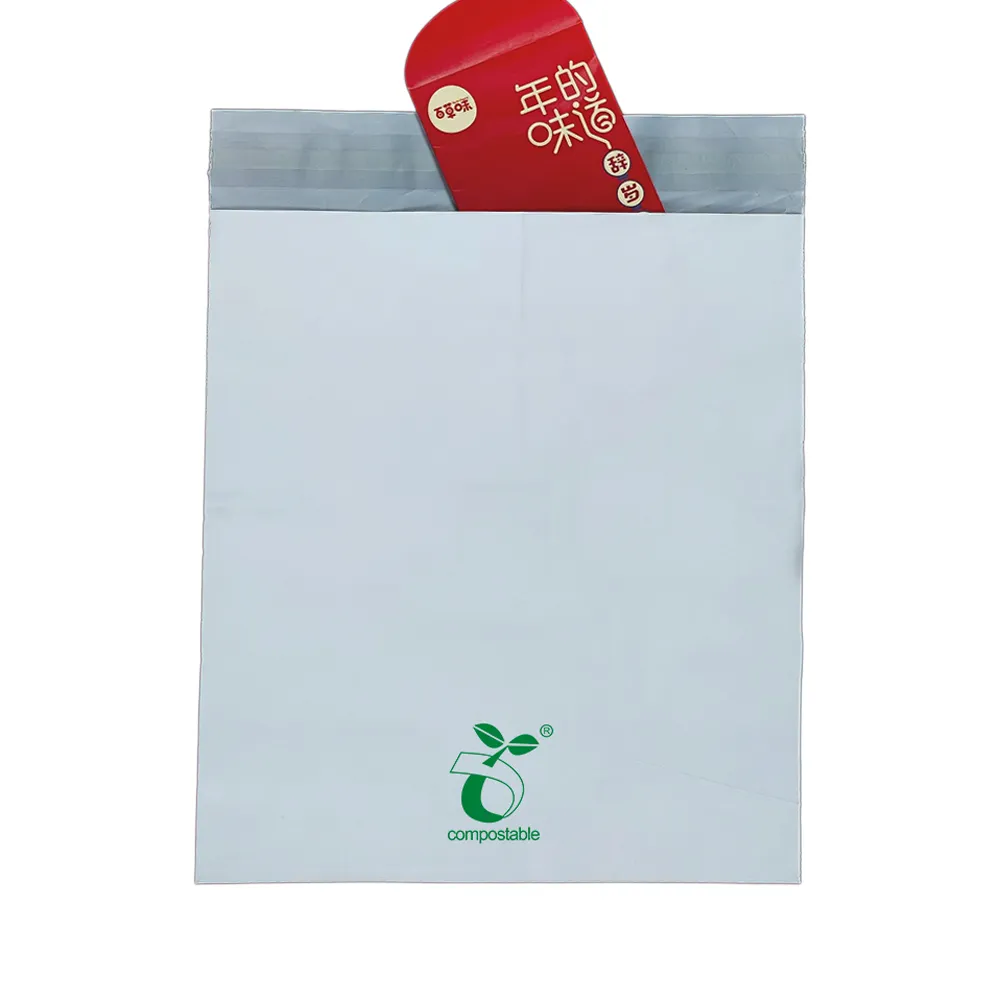
Environmental regulations worldwide are becoming increasingly stringent as governments recognize the urgent need to address plastic pollution and its devastating impact on ecosystems. Traditional plastic bags, which can take hundreds of years to decompose, are facing widespread bans and restrictions across numerous jurisdictions. In response to these regulatory pressures, manufacturers and retailers are turning to innovative alternatives like compostable plastic bags that offer the convenience of conventional packaging while meeting the growing demands of environmental compliance. These biodegradable solutions represent a crucial step forward in creating a more sustainable packaging ecosystem that aligns with both consumer expectations and regulatory requirements.
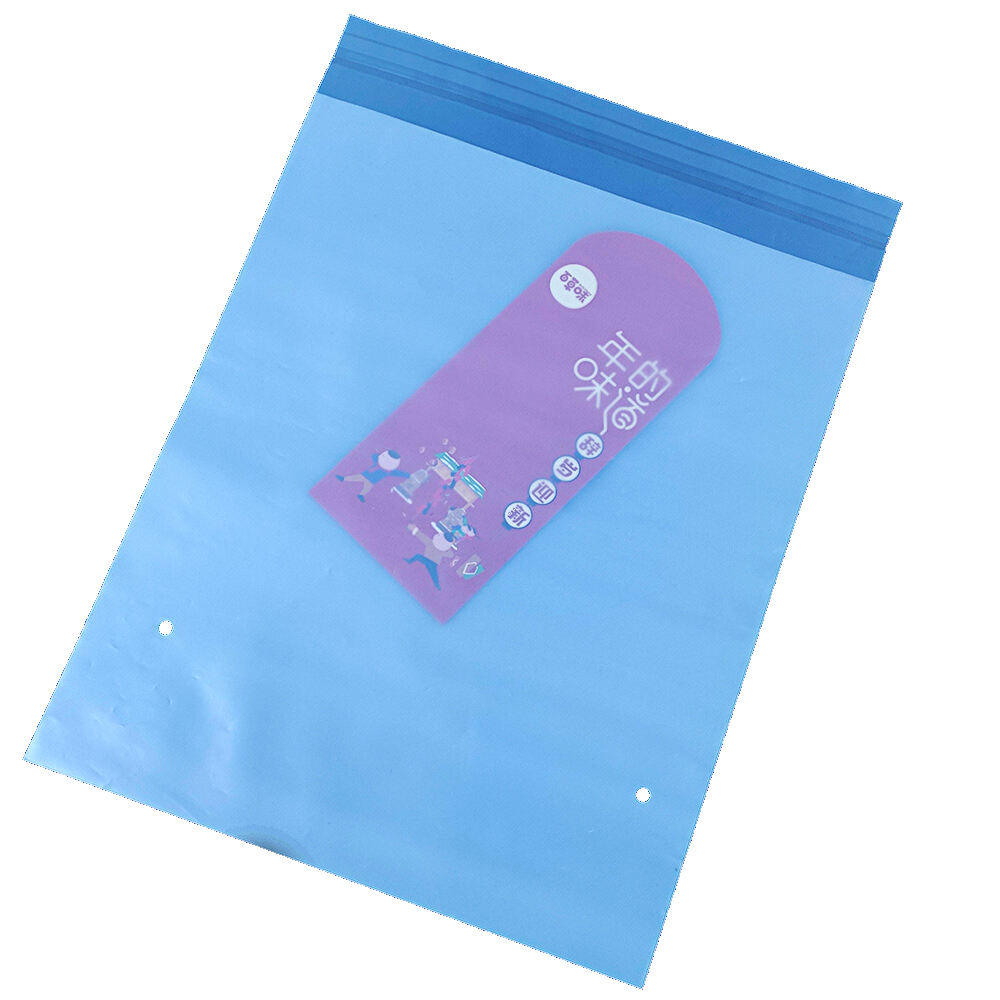
Understanding Regulatory Frameworks for Biodegradable Packaging
Global Standards and Certification Requirements
The regulatory landscape for compostable plastic bags has evolved significantly over the past decade, with various international standards emerging to define what constitutes truly biodegradable packaging. The American Society for Testing and Materials (ASTM) D6400 standard and the European EN 13432 certification represent two of the most widely recognized frameworks for evaluating compostable materials. These standards establish specific criteria for biodegradation rates, disintegration timelines, and chemical composition requirements that compostable plastic bags must meet to earn official certification. Manufacturing facilities must undergo rigorous testing procedures to demonstrate that their products can completely break down in industrial composting environments within 180 days, leaving no toxic residues behind.
Compliance with these international standards involves extensive laboratory testing and third-party verification processes that validate the environmental claims made by manufacturers. The certification process examines multiple aspects of product performance, including the bag's ability to disintegrate into fragments smaller than 2mm, complete biodegradation into carbon dioxide and water, and absence of heavy metals or other harmful substances. These comprehensive evaluation criteria ensure that compostable plastic bags genuinely contribute to waste reduction goals rather than simply appearing more environmentally friendly while creating different pollution problems.
Regional Compliance Variations
Different regions have implemented varying approaches to regulating biodegradable packaging materials, creating a complex compliance landscape that manufacturers must navigate carefully. The European Union has established some of the world's most comprehensive regulations governing compostable plastic bags, requiring clear labeling standards and specific disposal instructions for consumers. These regulations mandate that packaging materials display prominent certification logos and provide detailed information about proper composting procedures to ensure optimal biodegradation outcomes. Member countries within the EU have the flexibility to implement additional restrictions or incentive programs that encourage the adoption of certified compostable alternatives.
In contrast, regulatory approaches in North America vary significantly between federal and state or provincial jurisdictions, with some areas implementing comprehensive bans on traditional plastic bags while others focus on extended producer responsibility programs. California, Washington, and several other states have enacted legislation specifically addressing compostable plastic bags, establishing clear performance standards and certification requirements that align with international testing protocols. Canadian provinces have similarly implemented diverse regulatory frameworks, with some focusing on waste diversion targets while others emphasize specific material composition requirements for biodegradable packaging products.
Material Innovation and Environmental Performance
Advanced Biopolymer Technologies
The development of high-performance compostable plastic bags has been driven by significant advances in biopolymer science and manufacturing technologies. Modern compostable bags typically utilize plant-based materials such as polylactic acid (PLA) derived from cornstarch, sugarcane, or other renewable resources, combined with polybutylene adipate terephthalate (PBAT) to enhance flexibility and durability. These innovative material compositions allow manufacturers to create compostable plastic bags that maintain the strength and functionality of traditional plastic while offering complete biodegradability under appropriate composting conditions. The careful balance of different biopolymers enables producers to tailor bag properties to specific applications, from lightweight grocery bags to heavy-duty waste collection systems.
Research and development efforts continue to focus on improving the performance characteristics of compostable plastic bags while reducing production costs and environmental impacts. Advanced polymer blending techniques allow manufacturers to optimize the degradation timeline, ensuring that bags maintain their integrity during normal use but break down rapidly once exposed to composting environments. These technological improvements have made compostable plastic bags increasingly competitive with conventional alternatives in terms of cost-effectiveness and functional performance, supporting broader market adoption and regulatory compliance across diverse industry sectors.
Life Cycle Assessment and Environmental Benefits
Comprehensive life cycle assessments of compostable plastic bags demonstrate significant environmental advantages compared to traditional plastic alternatives, particularly in terms of end-of-life disposal and overall carbon footprint reduction. These assessments evaluate the complete environmental impact of bag production, from raw material extraction through manufacturing, distribution, use, and final disposal or composting. Studies consistently show that compostable plastic bags generate substantially lower greenhouse gas emissions during decomposition compared to conventional plastics, which release methane and other harmful compounds when buried in landfills. The carbon sequestration potential of plant-based materials used in compostable bag production further enhances their environmental profile.
The environmental benefits of compostable plastic bags extend beyond simple waste reduction to include soil enrichment and reduced dependence on fossil fuel-derived materials. When properly composted, these bags contribute organic matter to soil systems, improving soil structure, water retention, and nutrient availability for plant growth. This circular approach to packaging design aligns with emerging regulatory frameworks that emphasize waste prevention, resource efficiency, and ecosystem restoration rather than simply focusing on waste management strategies.
Implementation Strategies for Regulatory Compliance
Supply Chain Integration and Quality Control
Successfully implementing compostable plastic bags within existing supply chain operations requires careful attention to quality control measures and certification maintenance throughout the manufacturing and distribution process. Companies must establish robust supplier verification systems to ensure that all materials used in bag production meet specified environmental standards and maintain proper certification documentation. This involves regular auditing of supplier facilities, testing of incoming raw materials, and continuous monitoring of production processes to prevent contamination or quality degradation that could compromise the compostable properties of finished products.
Quality control protocols for compostable plastic bags must address unique storage and handling requirements that differ from conventional plastic packaging materials. These products are often more sensitive to temperature and humidity variations, requiring specialized storage conditions and shorter shelf life management to maintain optimal performance characteristics. Distribution systems must be adapted to accommodate these requirements while ensuring that compostable plastic bags reach end users in optimal condition for their intended applications.
Consumer Education and Market Adoption
The successful implementation of compostable plastic bags depends heavily on comprehensive consumer education programs that clearly communicate proper disposal methods and environmental benefits. Many consumers remain confused about the differences between biodegradable, compostable, and conventional plastic materials, leading to improper disposal practices that can undermine the environmental benefits of these innovative products. Effective education campaigns must address common misconceptions while providing clear, actionable guidance about home composting versus industrial composting requirements for different types of compostable plastic bags.
Market adoption strategies must also consider the infrastructure requirements for proper composting of these materials, as many communities lack adequate industrial composting facilities to handle compostable plastic bags effectively. Companies implementing these products must work closely with waste management providers and local governments to develop appropriate collection and processing systems that maximize the environmental benefits of compostable packaging materials. This collaborative approach helps ensure that regulatory compliance efforts translate into meaningful environmental improvements rather than simply shifting disposal challenges to different waste streams.
Future Regulatory Trends and Industry Outlook
Emerging Policy Developments
Regulatory trends indicate an accelerating shift toward more comprehensive environmental standards that will likely expand the market opportunities for compostable plastic bags while imposing stricter performance requirements. Proposed legislation in multiple jurisdictions focuses on extended producer responsibility frameworks that hold manufacturers accountable for the entire lifecycle environmental impact of their packaging materials. These emerging policies are expected to create stronger incentives for companies to adopt compostable plastic bags and other sustainable packaging alternatives while providing clearer regulatory pathways for certification and market access.
International trade agreements increasingly incorporate environmental standards that could harmonize regulations governing compostable plastic bags across different markets, potentially simplifying compliance requirements for manufacturers operating in multiple jurisdictions. These developments suggest that companies investing in compostable packaging technologies today are positioning themselves advantageously for a regulatory environment that will likely become more demanding over time. The integration of environmental performance criteria into trade policies also creates opportunities for countries with advanced compostable plastic bag industries to gain competitive advantages in global markets.
Technology and Market Evolution
Technological advances in material science and manufacturing processes continue to improve the performance and cost-effectiveness of compostable plastic bags, making them increasingly viable alternatives to conventional plastic packaging across diverse applications. Research into new biopolymer formulations and processing techniques promises to deliver compostable plastic bags with enhanced durability, barrier properties, and specialized functionality for specific industry requirements. These improvements are expected to accelerate market adoption while supporting compliance with increasingly stringent environmental regulations.
The growing availability of industrial composting infrastructure and advances in home composting systems are creating more favorable conditions for widespread adoption of compostable plastic bags. Investment in waste processing facilities specifically designed to handle compostable materials is expanding rapidly, supported by government incentives and private sector initiatives focused on circular economy principles. This infrastructure development addresses one of the primary barriers to effective utilization of compostable plastic bags while creating market conditions that support continued growth in demand for these sustainable packaging solutions.
FAQ
What certifications do compostable plastic bags need to meet environmental regulations
Compostable plastic bags must obtain certification from recognized testing organizations such as the Biodegradable Products Institute (BPI) in North America or TÜV AUSTRIA in Europe to demonstrate compliance with ASTM D6400 or EN 13432 standards respectively. These certifications verify that products completely biodegrade in industrial composting facilities within 180 days without leaving toxic residues. Additional regional certifications may be required depending on local regulations and market requirements.
How do disposal requirements differ between compostable and traditional plastic bags
Compostable plastic bags require disposal in industrial composting facilities or certified home composting systems where they can break down under controlled temperature and humidity conditions. Unlike traditional plastic bags that typically end up in landfills or recycling streams, compostable plastic bags must be kept separate from conventional waste to ensure proper processing. Many municipalities are developing specialized collection programs to handle compostable materials appropriately.
What are the main regulatory challenges for manufacturers of compostable plastic bags
Manufacturers face complex regulatory landscapes with varying standards across different jurisdictions, requiring separate certifications and compliance documentation for each market. The lack of harmonized international standards creates additional costs and complexity for companies operating globally. Additionally, evolving regulations require continuous monitoring and potential product modifications to maintain compliance, while labeling requirements must be carefully managed to avoid misleading environmental claims.
Are compostable plastic bags suitable for all applications where traditional plastic bags are used
While compostable plastic bags have significantly improved in performance, they may not be suitable for all applications requiring extended shelf life, extreme temperature exposure, or specific barrier properties. These bags work well for grocery shopping, food waste collection, and short-term storage applications but may require careful evaluation for specialized industrial or commercial uses. Manufacturers continue developing formulations to expand the range of suitable applications for compostable plastic bags.
Table of Contents
- Understanding Regulatory Frameworks for Biodegradable Packaging
- Material Innovation and Environmental Performance
- Implementation Strategies for Regulatory Compliance
- Future Regulatory Trends and Industry Outlook
-
FAQ
- What certifications do compostable plastic bags need to meet environmental regulations
- How do disposal requirements differ between compostable and traditional plastic bags
- What are the main regulatory challenges for manufacturers of compostable plastic bags
- Are compostable plastic bags suitable for all applications where traditional plastic bags are used

