
 EN
EN
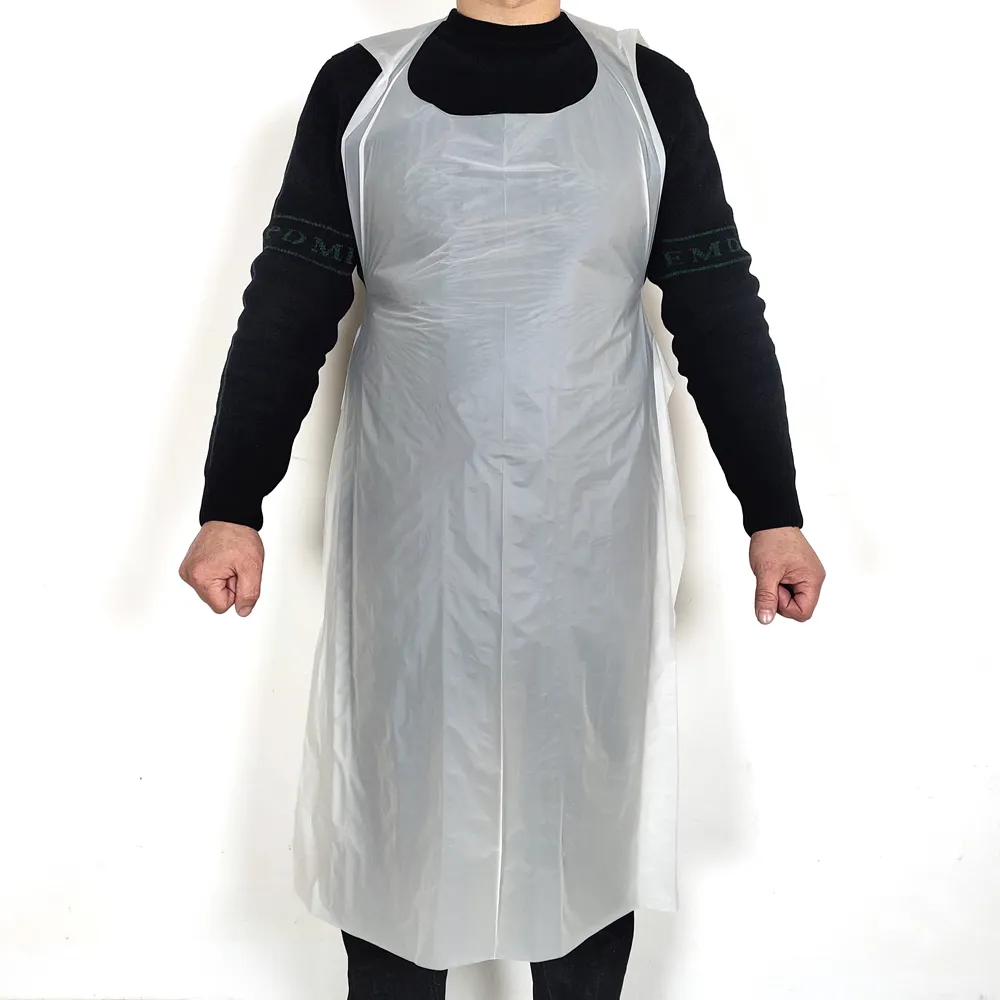
Kitchen safety and hygiene standards have evolved significantly in recent years, driving the demand for high-quality protective equipment across foodservice establishments. Among the most critical protective items are disposable aprons, which serve as the first line of defense against spills, splashes, and contamination in busy commercial kitchens. Understanding the thickness standards that define effective disposable aprons is essential for restaurant owners, food processors, and catering professionals who prioritize both worker safety and food safety compliance. The material thickness directly impacts durability, protection level, and cost-effectiveness, making it a crucial factor in purchasing decisions.
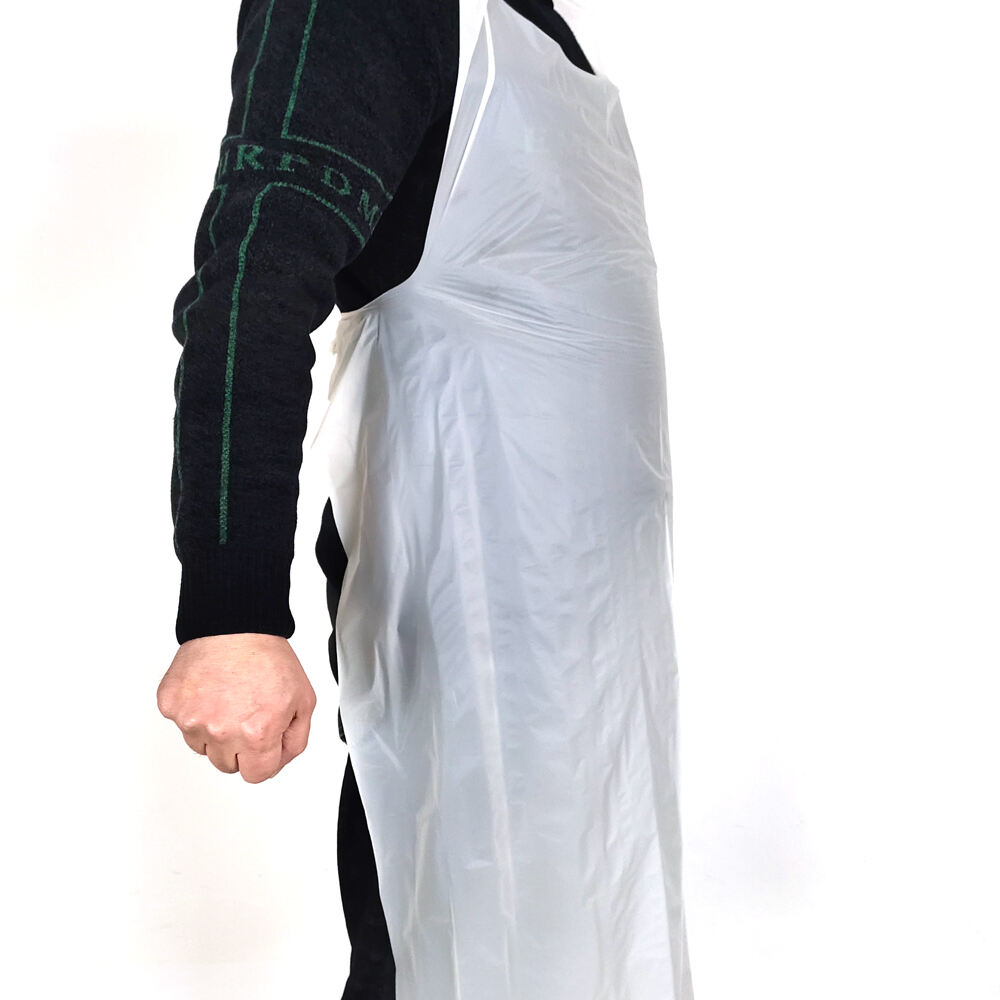
Material Thickness Standards in Food Industry Applications
Polyethylene Thickness Specifications
The standard thickness for disposable aprons in commercial kitchens typically ranges from 0.8 mil to 2.0 mil, with polyethylene being the most commonly used material. Professional-grade disposable aprons manufactured at 1.2 mil thickness provide optimal balance between protection and flexibility for most kitchen operations. This thickness ensures adequate resistance to liquids while maintaining comfortable wearability during extended shifts. Food safety regulations in many jurisdictions recommend minimum thickness standards to ensure proper barrier protection against bacterial contamination and chemical exposure.
Heavy-duty applications often require disposable aprons with thickness measurements reaching 1.5 mil or higher, particularly in meat processing facilities and commercial dishwashing areas. The increased thickness provides enhanced puncture resistance and extends the usable life of each apron during intensive food preparation tasks. Manufacturing standards for these thicker variants typically incorporate additional quality control measures to ensure consistent thickness distribution across the entire apron surface, preventing weak points that could compromise protection.
Industry Compliance and Safety Requirements
Health department regulations across different regions establish minimum thickness requirements for disposable aprons used in food handling environments. These standards ensure that protective equipment meets baseline safety criteria for preventing cross-contamination between different food preparation areas. Compliance testing protocols evaluate thickness consistency, tear resistance, and liquid penetration rates to verify that disposable aprons meet established industry benchmarks for foodservice applications.
Professional kitchens must consider both local health codes and corporate safety policies when selecting appropriate thickness standards for their disposable aprons. Many established foodservice chains implement internal specifications that exceed minimum regulatory requirements, often specifying 1.3 mil or thicker materials for enhanced worker protection. Documentation of compliance with thickness standards becomes particularly important during health inspections and food safety audits.
Performance Characteristics Based on Material Thickness
Durability and Tear Resistance Properties
Thicker disposable aprons demonstrate significantly improved resistance to tears and punctures compared to their thinner counterparts, directly correlating with material thickness measurements. Laboratory testing shows that disposable aprons manufactured at 1.5 mil thickness can withstand approximately 40% more stress before failure compared to standard 1.0 mil variants. This enhanced durability translates to reduced replacement frequency and lower overall protective equipment costs in high-volume kitchen operations.
The relationship between thickness and performance becomes particularly evident during tasks involving sharp utensils, hot surfaces, and aggressive cleaning chemicals. Professional-grade disposable aprons with reinforced thickness specifications maintain their protective integrity throughout demanding food preparation processes, reducing the risk of breakthrough incidents that could compromise worker safety or food quality standards.
Liquid Barrier Performance Standards
Effective liquid barrier performance represents one of the most critical functions of properly specified disposable aprons in commercial kitchen environments. Material thickness directly influences the hydrostatic pressure resistance, with thicker variants providing superior protection against liquid penetration during high-pressure washing operations and spill incidents. Testing protocols measure liquid barrier effectiveness using standardized pressure tests that simulate real-world kitchen conditions.
Advanced polyethylene formulations used in premium disposable aprons incorporate thickness optimization techniques that enhance liquid repellency without compromising flexibility. These engineered materials maintain consistent barrier properties across temperature variations commonly encountered in commercial foodservice environments, ensuring reliable protection regardless of kitchen conditions.
Cost-Effectiveness Analysis of Different Thickness Options
Initial Investment Versus Long-Term Value
The economic analysis of disposable aprons requires careful consideration of thickness specifications relative to usage patterns and replacement frequency in commercial kitchen operations. While thicker variants typically command higher unit prices, their extended durability often results in lower per-use costs when calculated across typical service periods. Financial modeling demonstrates that investing in 1.4 mil thickness disposable aprons can reduce overall protective equipment expenses by 15-25% compared to using multiple thinner alternatives.
Bulk purchasing strategies for disposable aprons benefit significantly from standardizing thickness specifications across multiple locations or departments. Economies of scale become more pronounced when organizations commit to specific thickness standards, enabling suppliers to offer preferential pricing for consistent volume orders. This approach also simplifies inventory management and ensures uniform protection standards across all operational areas.
Operational Efficiency Considerations
Properly specified disposable aprons contribute to operational efficiency by reducing interruptions caused by equipment failure or replacement needs during peak service periods. Thicker materials typically require fewer mid-shift changes, allowing kitchen staff to maintain focus on food preparation tasks rather than protective equipment maintenance. Time-motion studies indicate that optimized thickness specifications can improve overall kitchen productivity by reducing equipment-related downtime.
Training costs associated with proper disposable aprons usage decrease when thickness standards provide consistent performance characteristics that staff can rely upon. Standardized thickness specifications enable the development of more effective training programs and safety protocols, contributing to improved compliance rates and reduced workplace incidents related to inadequate protective equipment.
Selection Guidelines for Different Kitchen Applications
Light-Duty Food Preparation Requirements
Light-duty kitchen applications, including salad preparation, beverage service, and dry ingredient handling, typically function effectively with disposable aprons in the 0.8 to 1.0 mil thickness range. These applications involve minimal exposure to liquids, sharp objects, or aggressive cleaning chemicals, making standard thickness specifications sufficient for adequate protection. Cost optimization becomes particularly important in high-volume, low-risk environments where protective equipment represents a significant portion of operational expenses.
Cafeterias, fast-casual restaurants, and bakeries often find that standardizing on 1.0 mil disposable aprons provides appropriate protection while maintaining budget-friendly equipment costs. The lighter weight of these variants also reduces fatigue during extended wear periods, contributing to improved worker comfort and compliance with safety protocols throughout extended shifts.
Heavy-Duty Commercial Kitchen Applications
High-intensity commercial kitchens, including full-service restaurants, institutional foodservice, and food processing facilities, require disposable aprons with thickness specifications of 1.3 mil or higher to ensure adequate protection during demanding operations. These environments expose workers to hot oils, acidic ingredients, sharp cutting tools, and high-pressure cleaning systems that can quickly compromise thinner protective materials. Enhanced thickness provides the necessary durability to maintain protection throughout complete work shifts.
Meat processing operations and commercial dish rooms represent the most demanding applications for disposable aprons, often requiring thickness specifications reaching 1.8 to 2.0 mil for optimal performance. These extreme-duty variants incorporate advanced material formulations that provide superior chemical resistance and puncture protection while maintaining sufficient flexibility for complex manual tasks. Investment in premium thickness standards proves cost-effective in these applications due to reduced replacement frequency and enhanced worker safety.
Quality Control and Testing Standards
Manufacturing Consistency Requirements
Quality control protocols for disposable aprons focus heavily on maintaining consistent thickness measurements across entire production runs to ensure uniform performance characteristics. Advanced manufacturing processes incorporate real-time thickness monitoring systems that identify and correct variations before they impact final product quality. Statistical process control methods track thickness distribution patterns to optimize manufacturing parameters and minimize waste while maintaining strict quality standards.
Supplier certification programs for disposable aprons typically include thickness verification testing as a primary qualification requirement, ensuring that delivered products meet specified thickness tolerances consistently. Third-party testing laboratories provide independent verification of thickness measurements using calibrated precision instruments that can detect variations as small as 0.01 mil, providing confidence in material consistency for critical applications.
Performance Validation Testing
Comprehensive performance testing protocols evaluate how thickness specifications translate into real-world protection capabilities for disposable aprons under various stress conditions. Standardized test methods assess puncture resistance, tear strength, and liquid penetration rates using controlled laboratory conditions that simulate typical kitchen hazards. These validation procedures ensure that thickness measurements correlate directly with expected performance levels in actual use environments.
Field testing programs conducted in operational kitchen environments provide additional validation of thickness-performance relationships under actual working conditions. These studies track failure rates, replacement frequency, and user satisfaction metrics to verify that laboratory test results accurately predict real-world performance of disposable aprons with different thickness specifications. Data from these programs informs continuous improvement efforts in both material formulation and thickness optimization strategies.
Environmental and Sustainability Considerations
Material Efficiency and Waste Reduction
Environmental impact considerations increasingly influence thickness selection decisions for disposable aprons as organizations seek to balance protection requirements with sustainability goals. Optimized thickness specifications can reduce material consumption while maintaining adequate protection, contributing to decreased environmental footprint without compromising safety standards. Life cycle analysis demonstrates that properly specified disposable aprons with appropriate thickness can actually reduce overall environmental impact compared to using multiple thinner alternatives.
Recycling programs for disposable aprons depend partially on material thickness specifications, as thicker variants often contain sufficient material volume to justify collection and processing costs. Some manufacturers now offer recycled content options for disposable aprons that maintain performance standards while incorporating post-consumer materials, though thickness consistency becomes more challenging with recycled inputs.
Disposal and Waste Management Impact
Waste volume considerations become increasingly important as disposal costs rise and landfill capacity decreases in many regions. Thicker disposable aprons typically generate more waste per unit but may reduce overall waste volume due to lower replacement frequency in demanding applications. Comprehensive waste management strategies must account for both volume and frequency factors when evaluating the environmental impact of different thickness specifications.
Composting and biodegradation programs for disposable aprons require specific material formulations that may influence thickness optimization strategies. Some innovative manufacturers are developing biodegradable variants of disposable aprons that maintain performance standards while offering improved end-of-life disposal options, though these alternatives may require adjusted thickness specifications to achieve comparable protection levels.
FAQ
What is the minimum thickness recommended for disposable aprons in commercial kitchens
The minimum recommended thickness for disposable aprons in commercial kitchens is typically 1.0 mil for light-duty applications and 1.2 mil for general food preparation tasks. Heavy-duty operations such as meat processing or dishwashing areas should use disposable aprons with thickness of 1.5 mil or higher to ensure adequate protection against punctures, tears, and chemical exposure. Health department regulations may specify minimum thickness requirements that vary by jurisdiction and application type.
How does material thickness affect the cost per use of disposable aprons
While thicker disposable aprons have higher upfront costs, they often provide better cost per use due to increased durability and longer service life. A 1.4 mil thickness apron may cost 20-30% more than a 1.0 mil variant but can last 40-50% longer under typical kitchen conditions, resulting in overall cost savings. The optimal thickness selection depends on the specific application, usage intensity, and replacement frequency patterns in each kitchen environment.
Can disposable aprons be too thick for certain kitchen applications
Yes, excessively thick disposable aprons can impair mobility and comfort in applications that require fine motor skills or extended wear periods. Thickness beyond 2.0 mil may become counterproductive in most kitchen environments, causing fatigue and reducing compliance with safety protocols. The key is matching thickness specifications to the specific hazards and requirements of each application rather than defaulting to maximum thickness options.
What testing methods verify the thickness consistency of disposable aprons
Thickness consistency of disposable aprons is verified using precision micrometer measurements at multiple points across each unit, with statistical sampling protocols ensuring representative quality assessment. Manufacturing quality control typically employs automated thickness monitoring systems that continuously measure material thickness during production. Third-party certification programs may require batch testing using calibrated laboratory equipment to verify compliance with specified thickness tolerances and consistency standards.
Table of Contents
- Material Thickness Standards in Food Industry Applications
- Performance Characteristics Based on Material Thickness
- Cost-Effectiveness Analysis of Different Thickness Options
- Selection Guidelines for Different Kitchen Applications
- Quality Control and Testing Standards
- Environmental and Sustainability Considerations
-
FAQ
- What is the minimum thickness recommended for disposable aprons in commercial kitchens
- How does material thickness affect the cost per use of disposable aprons
- Can disposable aprons be too thick for certain kitchen applications
- What testing methods verify the thickness consistency of disposable aprons

