
 EN
EN

Food safety protocols in commercial kitchens and food processing facilities have become increasingly stringent as regulatory bodies emphasize the critical importance of preventing contamination and ensuring consumer health. Among the most fundamental components of these safety measures are food handling gloves, which serve as the primary barrier between food handlers and the products they prepare. These protective barriers play an essential role in maintaining hygiene standards while supporting comprehensive food safety management systems that facilities must implement to remain compliant with industry regulations.
The integration of proper glove protocols within Hazard Analysis and Critical Control Points (HACCP) systems represents a cornerstone of modern food safety management. When facilities implement comprehensive glove usage policies, they create multiple layers of protection that significantly reduce the risk of biological, chemical, and physical contamination. The strategic application of food handling gloves throughout various stages of food preparation, processing, and service demonstrates a facility's commitment to maintaining the highest standards of food safety while meeting regulatory requirements that govern commercial food operations.
HACCP Principles and Glove Integration
Critical Control Point Identification
Within HACCP systems, food handling gloves represent critical control points where contamination risks can be effectively managed and monitored. These control points occur at various stages of food preparation, from raw ingredient handling to final product packaging. Facilities must identify specific moments where glove usage becomes mandatory, such as during cross-contamination prevention between raw and cooked products, handling of ready-to-eat foods, and direct contact with allergen-containing ingredients. The systematic identification of these critical points ensures that food handling gloves are deployed strategically rather than arbitrarily.
The establishment of critical control points involving glove usage requires detailed documentation of procedures, monitoring protocols, and corrective actions. Facilities must define specific criteria for glove selection based on the type of food being handled, duration of contact, and potential chemical interactions. This systematic approach ensures that food handling gloves provide optimal protection while supporting the overall HACCP framework that governs facility operations.
Hazard Analysis Integration
Comprehensive hazard analysis within HACCP systems must account for the various contamination risks that food handling gloves help mitigate. Biological hazards, including pathogenic bacteria, viruses, and parasites, represent primary concerns that proper glove usage addresses through barrier protection. Chemical hazards from cleaning agents, sanitizers, and processing chemicals can be prevented when appropriate glove materials are selected based on their chemical resistance properties. Physical hazards, such as jewelry fragments or hand injuries, are effectively contained when food handling gloves are used correctly as part of comprehensive personal protective equipment protocols.
The analysis of these hazards must consider the specific characteristics of different glove materials and their suitability for various food handling applications. Facilities conducting thorough hazard analysis will evaluate factors such as glove thickness, puncture resistance, chemical compatibility, and allergen considerations. This comprehensive evaluation ensures that food handling gloves selected for specific applications provide maximum protection while supporting overall HACCP compliance objectives.
Material Selection and Compliance Requirements
Regulatory Standards Alignment
Food handling gloves must meet specific regulatory standards established by agencies such as the FDA, USDA, and various international food safety organizations. These standards dictate material composition, manufacturing processes, and performance characteristics that ensure gloves provide adequate protection without introducing contaminants into food products. Compliance with these regulations requires facilities to source gloves from certified manufacturers who maintain quality assurance programs that align with food safety requirements.
The selection process for food handling gloves involves evaluating materials for food contact safety, including testing for migration of substances that could affect food quality or safety. Facilities must maintain documentation demonstrating that their chosen gloves meet all applicable regulatory requirements, including certifications for direct food contact applications. This documentation becomes essential during regulatory inspections and audits that verify HACCP compliance across all operational areas.
Performance Characteristics Assessment
Different food handling applications require specific performance characteristics from gloves, necessitating careful evaluation of material properties and design features. Puncture resistance becomes critical when handling products with sharp edges or bones, while chemical resistance is essential for applications involving acidic foods or cleaning chemicals. Tactile sensitivity requirements vary based on the precision needed for specific food preparation tasks, influencing the selection of glove thickness and material composition.
Temperature resistance represents another crucial performance characteristic, particularly for food handling gloves used in cooking applications or cold storage environments. Materials must maintain their protective properties across the temperature ranges encountered in specific food handling operations. Additionally, considerations such as powder-free formulations help prevent contamination while reducing the risk of allergic reactions among food handlers, supporting both safety and compliance objectives.
Implementation Protocols and Training Requirements
Standard Operating Procedures Development
Effective implementation of food handling gloves within HACCP systems requires comprehensive standard operating procedures that detail proper usage protocols, change frequencies, and disposal methods. These procedures must specify when gloves are required, how they should be donned and doffed correctly, and the circumstances that necessitate immediate glove changes. Clear guidelines help ensure consistent application across all staff members while reducing the potential for human error that could compromise food safety.
The development of these procedures requires input from food safety professionals, operations managers, and front-line staff to ensure practicality and effectiveness. Procedures must address specific scenarios encountered in daily operations, including protocols for handling multiple food types, transitioning between tasks, and managing emergency situations. Regular review and updating of these procedures ensures they remain current with evolving food safety requirements and operational needs.
Staff Training and Competency Verification
Comprehensive training programs ensure that all staff members understand the critical role of food handling gloves in maintaining HACCP compliance and food safety standards. Training must cover proper selection techniques, correct wearing procedures, and recognition of situations requiring glove changes. Staff members need to understand the relationship between glove usage and contamination prevention, enabling them to make informed decisions during food handling operations.
Competency verification through practical demonstrations and written assessments helps ensure that training objectives are met and maintained over time. Regular refresher training sessions address common mistakes, introduce new products or procedures, and reinforce the importance of consistent food handling gloves usage. Documentation of training completion and competency verification supports compliance demonstration during regulatory inspections and internal audits.
Monitoring and Verification Systems
Compliance Monitoring Protocols
Effective monitoring systems track food handling gloves usage patterns, change frequencies, and compliance rates across different operational areas and shifts. These systems utilize observation checklists, automated monitoring technologies, and staff self-reporting mechanisms to gather comprehensive data on glove usage practices. Regular monitoring helps identify areas where additional training or procedural adjustments may be needed to maintain optimal compliance levels.
The integration of monitoring data with other HACCP metrics provides valuable insights into the effectiveness of glove protocols in supporting overall food safety objectives. Trend analysis helps facilities identify patterns that may indicate systemic issues requiring corrective action. This data-driven approach enables continuous improvement of food handling gloves protocols while demonstrating commitment to regulatory compliance.
Documentation and Record Keeping
Comprehensive documentation systems maintain records of food handling gloves procurement, usage rates, training completion, and compliance monitoring results. These records provide evidence of systematic approach to glove management while supporting traceability requirements during food safety investigations. Proper documentation includes supplier certifications, material safety data sheets, and performance testing results that demonstrate glove suitability for specific applications.
Record keeping systems must be designed to facilitate easy retrieval during regulatory inspections while providing actionable data for continuous improvement initiatives. Digital documentation systems offer advantages in terms of storage, searchability, and integration with other food safety management tools. Regular review of documentation ensures accuracy and completeness while identifying opportunities for system enhancements.
Cost-Benefit Analysis and Sustainability Considerations
Economic Impact Assessment
The economic benefits of proper food handling gloves implementation extend beyond direct compliance costs to include reduction in foodborne illness incidents, decreased product recalls, and enhanced brand reputation. Cost analysis must consider not only the direct expenses associated with glove procurement and training but also the potential savings from avoided contamination events and regulatory penalties. This comprehensive approach demonstrates the value proposition of investing in high-quality glove programs.
Return on investment calculations should account for the reduced liability exposure and insurance premiums that result from effective contamination prevention programs. Facilities implementing comprehensive food handling gloves protocols often experience improved operational efficiency through standardized procedures and reduced product waste. These economic benefits support business case development for enhanced glove programs while demonstrating value to stakeholders.
Environmental Responsibility Programs
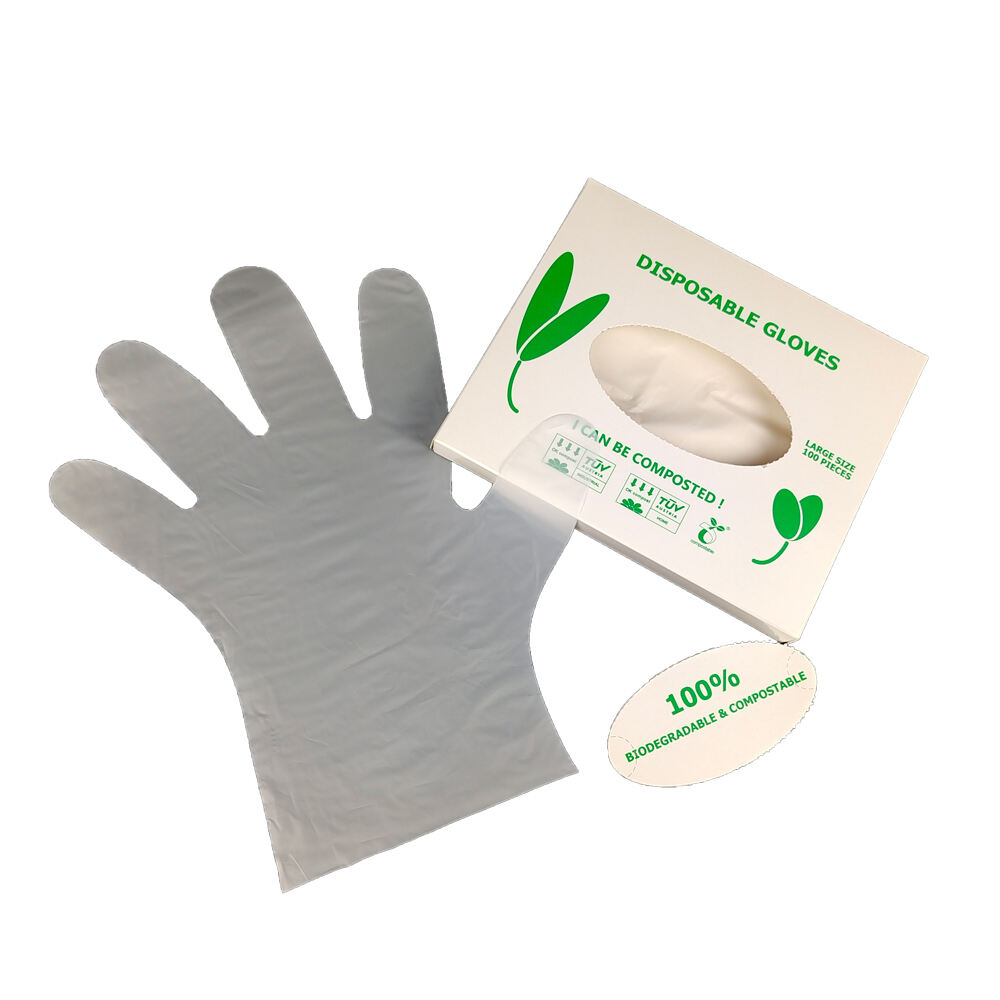
Sustainability considerations in food handling gloves selection include evaluation of biodegradable and compostable materials that reduce environmental impact without compromising food safety performance. Many facilities are incorporating environmental criteria into their glove selection processes, balancing food safety requirements with corporate sustainability objectives. This approach supports broader environmental responsibility initiatives while maintaining HACCP compliance standards.
Waste reduction strategies focus on optimizing glove usage patterns to minimize unnecessary consumption while maintaining safety standards. Employee education on appropriate change intervals helps reduce waste without compromising protection levels. Facilities implementing comprehensive sustainability programs often find that food handling gloves represent a significant opportunity for environmental impact reduction when managed effectively.
Future Trends and Technology Integration
Innovative Material Technologies
Emerging technologies in glove manufacturing are producing food handling gloves with enhanced performance characteristics, including improved barrier properties, extended wear times, and enhanced comfort features. Smart materials that change color when contaminated or when change intervals are reached represent promising developments for supporting HACCP compliance objectives. These innovations help reduce human error while providing visual confirmation of proper protocols.
Nanotechnology applications in glove manufacturing are yielding materials with antimicrobial properties that provide additional protection against pathogenic organisms. These advanced materials support food handling gloves effectiveness while potentially extending appropriate usage periods under specific conditions. Integration of these technologies requires careful evaluation to ensure compatibility with existing HACCP systems and regulatory requirements.
Digital Monitoring Integration
Digital technologies are enabling more sophisticated monitoring of food handling gloves usage patterns through RFID tracking, sensor integration, and automated compliance reporting systems. These technologies provide real-time data on glove change patterns, usage rates, and compliance levels across different operational areas. Integration with broader food safety management systems creates comprehensive visibility into glove-related critical control points.
Artificial intelligence applications in monitoring systems can identify patterns that indicate potential compliance issues before they result in contamination events. Predictive analytics help facilities optimize food handling gloves inventory management while ensuring adequate supplies are maintained. These technological advances support more efficient and effective glove management programs while enhancing overall HACCP compliance capabilities.
FAQ
How often should food handling gloves be changed during food preparation
Food handling gloves should be changed at minimum every four hours during continuous use, but more frequent changes are required when switching between different food types, after touching non-food surfaces, following restroom breaks, or when gloves become torn or contaminated. Cross-contamination prevention requires immediate glove changes when moving from raw to cooked foods or between allergen-containing and allergen-free products. The specific change frequency depends on the type of food being handled, the duration of tasks, and the facility's HACCP protocols.
What types of glove materials are best for different food handling applications
Nitrile gloves offer excellent chemical resistance and are suitable for handling acidic foods and cleaning chemicals, while vinyl gloves provide cost-effective protection for short-term food contact applications. Polyethylene gloves work well for brief food handling tasks and are often used in self-service applications. Natural latex gloves, though offering superior tactile sensitivity, are being phased out due to allergy concerns. The selection should be based on the specific food types being handled, contact duration, and any chemical interactions that may occur.
Can the same pair of food handling gloves be used for multiple food preparation tasks
The same pair of food handling gloves should not be used for multiple food preparation tasks that involve different food categories or contamination risks. Gloves must be changed when switching between raw and ready-to-eat foods, handling different allergen groups, or moving between food preparation and non-food activities. Using the same gloves for multiple unrelated tasks significantly increases cross-contamination risks and violates HACCP principles that require barrier protection between different contamination sources.
What documentation is required to demonstrate proper food handling glove compliance
Proper compliance documentation includes supplier certifications confirming food safety standards, material safety data sheets for glove products, training records demonstrating staff competency, monitoring logs tracking usage patterns and compliance rates, and corrective action records addressing any identified deficiencies. Additionally, facilities should maintain procurement records, inventory management documentation, and regular audit results that verify ongoing compliance with HACCP requirements and regulatory standards for food contact materials.
Table of Contents
- HACCP Principles and Glove Integration
- Material Selection and Compliance Requirements
- Implementation Protocols and Training Requirements
- Monitoring and Verification Systems
- Cost-Benefit Analysis and Sustainability Considerations
- Future Trends and Technology Integration
-
FAQ
- How often should food handling gloves be changed during food preparation
- What types of glove materials are best for different food handling applications
- Can the same pair of food handling gloves be used for multiple food preparation tasks
- What documentation is required to demonstrate proper food handling glove compliance

