
 EN
EN
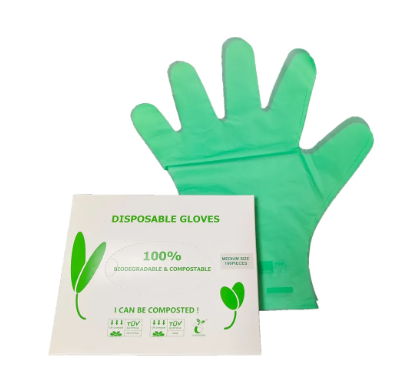
The growing demand for sustainable products has placed biodegradable gloves at the forefront of environmentally conscious purchasing decisions. As businesses increasingly prioritize eco-friendly alternatives, understanding the cost structure of biodegradable gloves becomes essential for making informed bulk procurement choices. These innovative protective solutions offer environmental benefits that traditional disposable gloves cannot match, but their pricing dynamics involve several critical factors that procurement managers must carefully evaluate.

The cost considerations for biodegradable gloves extend beyond simple unit pricing to encompass manufacturing complexities, raw material sourcing, and long-term value propositions. Unlike conventional nitrile or latex alternatives, biodegradable gloves require specialized materials and production processes that directly impact their market pricing. Organizations seeking to implement sustainable practices while maintaining budget efficiency must navigate these cost factors strategically to achieve optimal purchasing outcomes.
Material Composition and Manufacturing Costs
Raw Material Sourcing Challenges
The production of biodegradable gloves relies heavily on specialized raw materials such as cornstarch, PLA (polylactic acid), and PBAT (polybutylene adipate terephthalate). These bio-based materials typically command higher prices than petroleum-derived alternatives due to limited production capacity and complex extraction processes. The agricultural sourcing requirements for cornstarch-based biodegradable gloves introduce seasonal price fluctuations that can significantly impact bulk order costs throughout the year.
Manufacturing facilities producing biodegradable gloves must invest in specialized equipment and processes designed to handle these unique materials. The production lines require different temperature controls, molding techniques, and quality assurance protocols compared to traditional glove manufacturing. These operational modifications translate into higher production costs that are ultimately reflected in the final pricing structure for bulk purchases.
Quality Control and Certification Requirements
Biodegradable gloves undergo extensive testing to verify their compostability and performance standards, adding layers of cost to the manufacturing process. Third-party certifications such as ASTM D6400 or EN 13432 require rigorous testing protocols that can extend development timelines and increase overall production expenses. These certification processes ensure that the gloves meet strict biodegradability criteria while maintaining necessary protective qualities.
The quality control measures for biodegradable gloves often exceed those required for conventional alternatives, as manufacturers must validate both functional performance and environmental claims. Advanced testing equipment and specialized laboratory procedures contribute to higher operational overhead that influences bulk pricing structures. Organizations purchasing large quantities must account for these embedded certification costs when evaluating total procurement expenses.
Volume Pricing Structures and Order Quantities
Minimum Order Requirements
Manufacturers of biodegradable gloves typically establish higher minimum order quantities compared to traditional glove suppliers due to specialized production runs and material procurement constraints. These elevated thresholds can significantly impact cash flow requirements for organizations seeking to transition to sustainable alternatives. The economics of biodegradable glove production often necessitate larger batch sizes to achieve cost efficiencies in manufacturing operations.
Bulk order discounts for biodegradable gloves follow different scaling patterns than conventional products, with more substantial price breaks occurring at higher volume tiers. Organizations must carefully analyze their consumption patterns and storage capabilities to optimize order quantities while managing working capital requirements. The relationship between order size and unit cost becomes particularly important when comparing biodegradable options against traditional alternatives.
Inventory Management Considerations
The shelf life characteristics of biodegradable gloves introduce unique inventory management challenges that affect overall cost calculations. Unlike synthetic alternatives that can maintain quality for extended periods, some biodegradable materials may have shorter storage lifespans under certain conditions. Organizations must factor in potential waste costs from expired inventory when determining optimal order quantities and storage strategies.
Temperature and humidity control requirements for biodegradable gloves may necessitate specialized storage facilities or environmental controls that add operational costs to bulk purchasing decisions. These infrastructure considerations become particularly relevant for organizations operating in challenging climates or lacking adequate warehouse facilities. The total cost of ownership must include these ancillary expenses to provide accurate cost comparisons.
Market Dynamics and Supply Chain Factors
Supplier Base and Competition
The relatively limited number of manufacturers producing high-quality biodegradable gloves creates a less competitive pricing environment compared to traditional glove markets. This supplier concentration can result in higher baseline prices and reduced negotiating leverage for bulk purchasers. However, the expanding market interest in sustainable products is gradually attracting new manufacturers, which may improve pricing dynamics over time.
Geographic distribution of biodegradable glove manufacturers affects shipping costs and lead times for bulk orders, particularly for organizations located far from production facilities. International sourcing may introduce currency exchange risks and customs duties that compound the base cost considerations. Strategic supplier selection must balance unit pricing against total landed costs and supply chain reliability factors.
Seasonal Demand Patterns
Market demand for biodegradable gloves exhibits seasonal variations driven by agricultural cycles, environmental awareness campaigns, and regulatory implementation timelines. These demand fluctuations can create pricing volatility that affects bulk order timing strategies. Organizations may achieve significant cost savings by timing their purchases to align with manufacturers' production schedules and market conditions.
Supply chain disruptions affecting raw material availability can create sudden price increases or extended lead times for biodegradable gloves. The dependence on agricultural inputs makes these products more susceptible to weather-related supply interruptions compared to petroleum-based alternatives. Procurement strategies must incorporate risk mitigation measures such as safety stock levels or alternative supplier arrangements to manage these potential disruptions.
Long-term Value and Return on Investment
Environmental Compliance Benefits
Organizations investing in biodegradable gloves may realize cost savings through reduced waste disposal fees and improved regulatory compliance positioning. Many jurisdictions are implementing stricter environmental regulations that favor biodegradable products, potentially creating future cost advantages for early adopters. The long-term regulatory trend toward sustainability could make biodegradable gloves more cost-competitive over time as traditional alternatives face increasing restrictions or taxes.
Corporate sustainability initiatives increasingly recognize the value of biodegradable products in achieving environmental goals and improving brand reputation. While these benefits may be difficult to quantify directly, they contribute to overall organizational value that can justify higher upfront costs for biodegradable gloves. The total economic impact includes both direct procurement costs and indirect benefits from enhanced corporate image and stakeholder satisfaction.
Operational Efficiency Considerations
The performance characteristics of modern biodegradable gloves have improved significantly, often matching or exceeding traditional alternatives in key functional areas. This performance parity means that organizations can transition to biodegradable options without compromising operational efficiency or worker safety. The elimination of performance trade-offs strengthens the economic case for adopting biodegradable gloves despite potentially higher unit costs.
Integration of biodegradable gloves into existing procurement and distribution systems typically requires minimal operational changes, reducing implementation costs and complexity. The compatibility with standard ordering, inventory, and disposal processes simplifies the transition and minimizes disruption to established workflows. This operational continuity helps organizations realize the benefits of biodegradable gloves while maintaining efficient procurement operations.
FAQ
How do biodegradable gloves compare in cost to traditional disposable gloves?
Biodegradable gloves typically cost 15-30% more than traditional nitrile or latex alternatives due to specialized materials and manufacturing processes. However, bulk pricing can narrow this gap significantly, especially for large volume orders. The price differential varies based on specific materials used, order quantities, and supplier selection, making it essential to obtain detailed quotes for accurate cost comparisons.
What minimum order quantities should organizations expect for biodegradable gloves?
Most manufacturers require minimum orders ranging from 50,000 to 500,000 units for biodegradable gloves, depending on the specific product and customization requirements. These higher minimums reflect the specialized production processes and help manufacturers achieve economies of scale. Organizations should evaluate their consumption patterns carefully to determine if these minimum quantities align with their operational needs and storage capabilities.
Are there seasonal price variations for biodegradable gloves?
Yes, biodegradable gloves can experience seasonal price fluctuations due to their dependence on agricultural raw materials like cornstarch. Prices may be lower during harvest seasons when raw material supplies are abundant, while periods of high agricultural demand or poor crop yields can drive costs higher. Strategic purchasing timing can help organizations optimize their procurement costs by aligning orders with favorable market conditions.
How do storage requirements affect the total cost of biodegradable gloves?
Biodegradable gloves may require controlled temperature and humidity storage conditions to maintain their integrity and shelf life, potentially adding 5-10% to total ownership costs. Organizations may need to invest in climate-controlled storage facilities or modify existing warehouses to accommodate these requirements. Additionally, the shorter shelf life of some biodegradable materials compared to synthetic alternatives requires more active inventory rotation to prevent waste and disposal costs.

