
 EN
EN
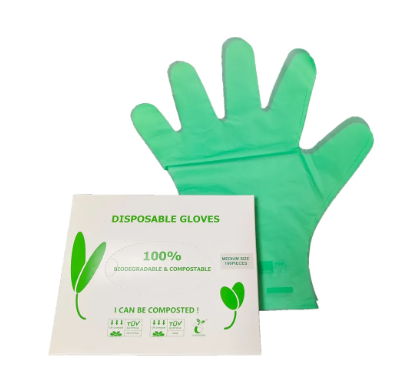
Food service professionals and culinary enthusiasts increasingly seek environmentally responsible alternatives to traditional disposable gloves without compromising performance. When handling wet foods, maintaining proper hygiene while protecting hands becomes crucial for food safety standards. Compostable gloves emerge as a sustainable solution that addresses both environmental concerns and practical functionality requirements in commercial kitchens, restaurants, and home food preparation environments.
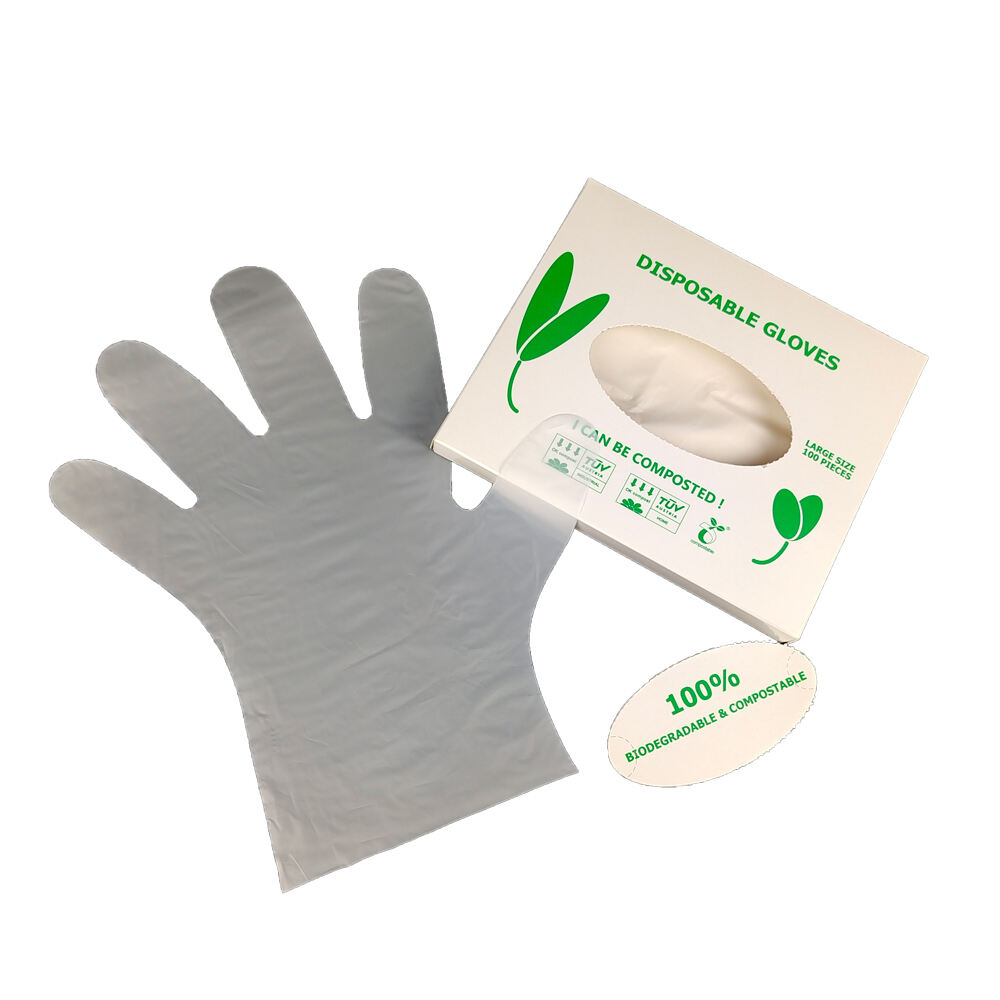
Traditional vinyl and nitrile gloves dominate the food service industry, yet they contribute significantly to landfill waste and environmental pollution. The transition to sustainable alternatives requires careful evaluation of performance characteristics, particularly when dealing with moisture-rich food handling scenarios. Understanding how eco-friendly options perform under challenging conditions helps food service managers make informed decisions that balance operational efficiency with environmental responsibility.
Material Composition and Wet Performance Characteristics
PLA-Based Biodegradable Materials
Polylactic acid serves as the primary component in many compostable gloves, offering remarkable biodegradability while maintaining structural integrity during food handling tasks. This plant-based polymer demonstrates excellent resistance to moisture penetration, ensuring hands remain dry during extended wet food preparation sessions. The molecular structure of PLA creates a barrier that effectively repels liquids while allowing sufficient flexibility for precise handling movements.
Manufacturing processes enhance PLA properties through specialized treatments that improve grip texture and tactile sensitivity. These enhancements prove particularly valuable when handling slippery foods like fish, poultry, or oil-coated ingredients. Quality compostable gloves maintain their protective barrier even when exposed to varying pH levels found in different food products, from acidic tomatoes to alkaline cleaning solutions.
PBAT and Cornstarch Integration
Polybutylene adipate terephthalate blended with cornstarch creates a composite material that excels in wet environments while accelerating the composting process. This combination provides enhanced elasticity and tear resistance compared to single-material alternatives. The cornstarch component contributes natural moisture-wicking properties that prevent excessive sweating inside the glove during prolonged use.
Advanced formulations incorporate specific ratios of PBAT and cornstarch to optimize performance for different food handling applications. Wet fish processing requires different material properties than handling fresh produce or working with liquid ingredients. Manufacturers adjust these ratios to create specialized variants that excel in specific culinary environments while maintaining complete biodegradability.
Grip Performance and Tactile Sensitivity
Surface Texture Engineering
Surface texture plays a critical role in maintaining secure grip when handling wet foods with compostable gloves. Manufacturers employ various texturing techniques to create micro-patterns that channel moisture away from contact surfaces while enhancing friction coefficients. These textured surfaces prove particularly effective when handling oily fish, marinated meats, or vegetables with natural waxy coatings.
Embossed palm and finger areas provide additional grip enhancement without compromising the biodegradable nature of the material. The texture depth and pattern distribution directly impact performance, with deeper textures offering superior wet grip but potentially reducing tactile sensitivity. Optimal designs balance these competing requirements through strategic texture placement that maximizes grip where needed while preserving sensitivity in fingertip areas.
Dexterity and Fine Motor Control
Professional chefs and food preparation workers require precise control when performing delicate tasks like filleting fish or decorating pastries. Compostable gloves engineered for food service applications maintain excellent dexterity even when exposed to moisture for extended periods. The material flexibility allows natural hand movement while providing consistent protection against contamination.
Thickness variations across different glove areas optimize both protection and sensitivity. Thinner fingertip sections enhance tactile feedback for precise tasks, while slightly thicker palm and back sections provide robust protection against cuts and abrasions. This graduated thickness design ensures compostable gloves deliver professional-grade performance comparable to traditional synthetic alternatives.
Durability Under Wet Conditions
Tear Resistance and Puncture Protection
Compostable gloves must withstand significant mechanical stress during commercial food preparation without compromising safety or hygiene standards. Advanced polymer blends demonstrate impressive tear resistance even when saturated with moisture from washing, rinsing, or direct food contact. Laboratory testing reveals that quality biodegradable options maintain over 90% of their dry tensile strength after prolonged water exposure.
Puncture resistance becomes particularly important when handling foods with sharp bones, shells, or rigid packaging materials. Modern compostable gloves incorporate reinforcement technologies that distribute stress across larger surface areas, reducing the likelihood of punctures during normal food handling operations. This enhanced durability extends glove life and reduces the frequency of changes during busy service periods.
Chemical Resistance Properties
Food preparation environments expose gloves to various chemicals including cleaning agents, food acids, oils, and sanitizers. Compostable gloves engineered for professional kitchens demonstrate remarkable resistance to common food service chemicals while maintaining their biodegradable characteristics. This chemical compatibility ensures consistent protection throughout typical food handling workflows.
pH tolerance ranges vary among different compostable glove formulations, with premium options handling acidic marinades, alkaline cleaners, and neutral food products equally well. The molecular structure of advanced biodegradable materials creates chemical barriers that prevent degradation from brief exposure to harsh substances. However, prolonged contact with strong chemicals may accelerate the natural decomposition process, which actually benefits end-of-life disposal scenarios.
Temperature Performance in Food Service
Heat Resistance Capabilities
Commercial kitchens subject gloves to varying temperature conditions, from refrigerated storage areas to heated food preparation zones. Compostable gloves maintain structural integrity across temperature ranges typically encountered in food service operations. While not suitable for direct heat exposure like handling hot cookware, these gloves perform admirably when working with warm foods or in heated environments.
Material flexibility remains consistent across temperature variations, ensuring reliable grip and dexterity whether handling cold seafood or warm prepared foods. The thermal properties of biodegradable polymers prevent brittleness in cold conditions while avoiding excessive softening in warm environments. This temperature stability contributes to consistent performance throughout diverse food handling scenarios.
Cold Storage and Refrigeration Performance
Refrigerated food handling presents unique challenges for glove materials, as low temperatures can affect flexibility and grip performance. Quality compostable gloves maintain their protective properties and tactile sensitivity even during extended work in walk-in coolers or freezer areas. The polymer composition resists cold-induced stiffening that can compromise dexterity and increase fatigue during prolonged use.
Moisture management becomes critical in cold environments where condensation can accumulate on glove surfaces. Advanced compostable gloves incorporate moisture-wicking properties that prevent water droplet formation while maintaining secure grip on cold, wet surfaces. This performance characteristic proves especially valuable for seafood processing, cold salad preparation, and frozen food handling applications.
Environmental Impact and Composting Performance
Biodegradation Timeline and Conditions
Understanding the composting timeline for compostable gloves helps food service operations plan their waste management strategies effectively. Under optimal composting conditions with proper temperature, moisture, and oxygen levels, high-quality biodegradable gloves typically decompose within 90 to 180 days. This timeframe compares favorably to traditional synthetic gloves that may persist in landfills for decades or centuries.
Commercial composting facilities provide ideal conditions for rapid decomposition, with controlled temperature and moisture levels that accelerate the breakdown process. Home composting systems may require longer periods, typically 6 to 12 months, depending on local climate conditions and compost pile management practices. The resulting compost enriches soil with organic matter derived from the original plant-based materials.
Certification Standards and Compliance
Legitimate compostable gloves carry certifications from recognized organizations like the Biodegradable Products Institute or meet international standards such as ASTM D6400 or EN 13432. These certifications ensure that gloves will completely biodegrade under specific composting conditions without leaving harmful residues. Food service managers should verify these certifications when selecting sustainable glove options for their operations.
Third-party testing validates the environmental claims associated with compostable gloves, including biodegradation rates, toxicity levels, and compost quality impacts. Certified products undergo rigorous evaluation to ensure they meet strict environmental performance criteria while delivering acceptable functional performance for intended applications. This certification process provides confidence in both environmental benefits and operational reliability.
Cost Analysis and Economic Considerations
Initial Investment and Long-Term Savings
While compostable gloves typically command premium pricing compared to conventional disposable alternatives, the total cost of ownership includes waste disposal expenses and environmental compliance costs. Many jurisdictions implement fees for landfill disposal or provide incentives for composting programs that can offset higher initial material costs. Progressive food service operations factor these external costs into their purchasing decisions.
Volume purchasing agreements often reduce per-unit costs for compostable gloves, making them more economically competitive with traditional options. Additionally, improved durability and extended wear times can reduce the total number of gloves consumed during typical service periods. These factors combine to create compelling economic arguments for sustainable glove adoption in cost-conscious food service environments.
Brand Differentiation and Marketing Value
Restaurants and food service operations increasingly leverage environmental sustainability as a competitive differentiator in crowded markets. Compostable gloves contribute to comprehensive sustainability programs that resonate with environmentally conscious consumers. The marketing value of demonstrating environmental responsibility can generate customer loyalty and premium pricing opportunities that justify higher operational costs.
Social media and review platforms amplify the impact of sustainability initiatives, with customers frequently highlighting environmental practices in their feedback and recommendations. Food service businesses that prominently feature their use of compostable gloves and other eco-friendly practices often experience increased customer engagement and positive brand associations that translate into measurable business benefits.
FAQ
How long can compostable gloves be worn during continuous wet food handling
High-quality compostable gloves typically maintain their protective integrity for 2-4 hours of continuous wet food handling, depending on the specific tasks and moisture exposure levels. Professional-grade options engineered for food service applications often exceed this duration while maintaining grip and barrier protection. However, food safety best practices recommend changing gloves regularly regardless of material type to prevent cross-contamination between different food items.
Are compostable gloves suitable for handling raw meat and seafood
Yes, certified food-grade compostable gloves provide excellent barrier protection against bacteria and pathogens commonly associated with raw meat and seafood handling. The biodegradable materials meet the same food safety standards as traditional synthetic gloves while offering superior grip performance on slippery surfaces. Many professional kitchens successfully use compostable gloves for all raw protein handling without compromising safety or hygiene standards.
Can compostable gloves be recycled if composting facilities are unavailable
Compostable gloves are specifically designed for composting rather than recycling, and most recycling facilities cannot process these biodegradable materials through standard recycling streams. If commercial composting is unavailable, compostable gloves can be disposed of in regular waste streams where they will eventually biodegrade, albeit more slowly than in optimal composting conditions. Some municipalities offer special collection programs for compostable materials that may accept certified biodegradable gloves.
Do compostable gloves provide the same level of protection as nitrile or vinyl options
Modern compostable gloves engineered for food service applications provide comparable protection levels to traditional nitrile and vinyl alternatives for most food handling scenarios. They offer excellent barrier protection against moisture, oils, and common food-borne pathogens while maintaining superior grip performance in wet conditions. However, for applications involving harsh chemicals or extreme temperatures, traditional synthetic materials may offer better resistance. Most food preparation tasks fall well within the performance capabilities of quality compostable gloves.
Table of Contents
- Material Composition and Wet Performance Characteristics
- Grip Performance and Tactile Sensitivity
- Durability Under Wet Conditions
- Temperature Performance in Food Service
- Environmental Impact and Composting Performance
- Cost Analysis and Economic Considerations
-
FAQ
- How long can compostable gloves be worn during continuous wet food handling
- Are compostable gloves suitable for handling raw meat and seafood
- Can compostable gloves be recycled if composting facilities are unavailable
- Do compostable gloves provide the same level of protection as nitrile or vinyl options

