
 EN
EN
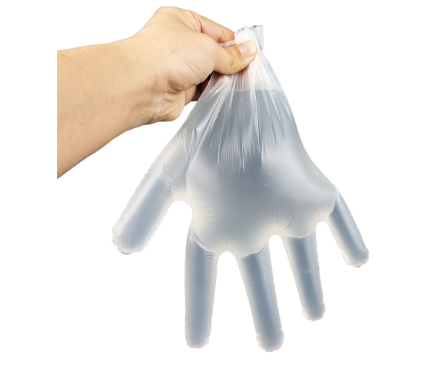
Puncture resistance represents a critical performance metric when evaluating protective hand equipment across industrial and healthcare applications. Understanding how different materials and manufacturing techniques affect puncture resistance helps professionals make informed decisions about hand protection. The ability to withstand sharp objects, needles, and various pointed instruments directly impacts worker safety and product effectiveness in demanding environments.

Material composition fundamentally determines puncture resistance performance in protective handwear. Nitrile compounds typically demonstrate superior puncture resistance compared to latex alternatives, while vinyl materials generally offer the lowest resistance levels. Manufacturing processes, including polymer cross-linking and additive integration, significantly influence the final puncture resistance characteristics of finished products.
Material Technologies and Puncture Performance
Nitrile Compound Advantages
Nitrile synthetic rubber exhibits exceptional puncture resistance due to its molecular structure and manufacturing flexibility. The acrylonitrile content in nitrile formulations directly correlates with puncture resistance levels, with higher concentrations providing enhanced protection against sharp objects. Advanced nitrile compounds incorporate specialized additives that improve elasticity while maintaining puncture resistance properties.
Industrial-grade nitrile formulations often include reinforcing agents that create microscopic barriers against penetration. These compounds undergo controlled vulcanization processes that optimize cross-linking density for maximum puncture resistance. Quality nitrile products demonstrate consistent performance across temperature variations and chemical exposure scenarios.
Vinyl Material Characteristics
Polyvinyl chloride compounds offer cost-effective solutions with moderate puncture resistance suitable for low-risk applications. Vinyl materials provide adequate protection against blunt objects but demonstrate limited effectiveness against sharp or pointed instruments. The thermoplastic nature of vinyl allows for consistent manufacturing but restricts puncture resistance enhancement opportunities.
Plasticizer content in vinyl formulations affects flexibility and puncture resistance balance. Higher plasticizer concentrations improve comfort and dexterity but may reduce overall puncture resistance performance. Modern vinyl compounds incorporate stabilizing agents that maintain puncture resistance throughout extended wear periods.
Testing Standards and Measurement Methods
ASTM Testing Protocols
American Society for Testing and Materials standards provide comprehensive frameworks for evaluating puncture resistance in protective handwear. ASTM D6978 specifically addresses puncture resistance testing using standardized probe geometries and force measurement systems. These protocols ensure consistent evaluation methods across different manufacturers and product categories.
Testing procedures involve controlled penetration forces applied through standardized needles or probes onto secured glove samples. Force measurements record the maximum resistance before puncture occurs, providing quantifiable puncture resistance values. Multiple sample testing ensures statistical reliability and accounts for manufacturing variations within product batches.
International Compliance Requirements
European EN 388 standards establish puncture resistance classifications ranging from protection levels one through four. These classifications help users select appropriate protection levels based on specific workplace hazards and risk assessments. International standards facilitate global product compatibility and ensure consistent safety performance expectations.
ISO 13997 provides additional testing methodologies for cut and puncture resistance evaluation in protective equipment. These standards incorporate blade and probe testing scenarios that simulate real-world puncture hazards. Compliance certification requires documented testing results and ongoing quality control verification processes.
Application-Specific Performance Requirements
Healthcare and Medical Applications
Medical environments demand exceptional puncture resistance to prevent needlestick injuries and maintain sterile barriers. Disposable plastic gloves used in surgical procedures must withstand scalpel contact and needle penetration attempts during complex procedures. Healthcare professionals require reliable puncture resistance without compromising tactile sensitivity or dexterity.
Chemotherapy preparation and handling procedures require enhanced puncture resistance to prevent hazardous drug exposure through accidental punctures. Specialized medical gloves incorporate multiple barrier layers that provide redundant protection against puncture-related contamination. Quality assurance protocols verify puncture resistance performance under simulated clinical conditions.
Industrial and Manufacturing Uses
Manufacturing environments expose workers to metal shards, glass fragments, and sharp machinery components that challenge puncture resistance capabilities. Assembly line operations require gloves that maintain puncture resistance throughout extended wear periods while allowing precise manipulation tasks. Industrial applications often involve repeated contact with potentially puncturing surfaces and materials.
Chemical processing facilities require puncture-resistant gloves that also provide chemical compatibility with process materials. Multi-hazard protection combines puncture resistance with chemical permeation barriers to ensure comprehensive worker safety. Quality industrial gloves demonstrate consistent puncture resistance across varying environmental conditions and chemical exposures.
Manufacturing Quality and Consistency Factors
Production Process Controls
Advanced manufacturing processes utilize precise temperature and pressure controls to optimize polymer cross-linking for maximum puncture resistance. Automated quality monitoring systems continuously evaluate thickness uniformity and material consistency throughout production runs. Statistical process control methods ensure puncture resistance specifications meet established performance standards.
Raw material quality directly impacts final puncture resistance characteristics in finished protective handwear products. Supplier qualification programs verify material specifications and consistency before incorporation into manufacturing processes. Incoming material testing validates puncture resistance precursor properties and identifies potential performance variations.
Quality Assurance Testing
Comprehensive testing protocols evaluate puncture resistance performance at multiple production stages from raw materials through finished product inspection. Sampling procedures ensure representative testing across entire production batches while maintaining statistical confidence in results. Documentation systems track puncture resistance test results and correlate performance with manufacturing parameters.
Accelerated aging tests simulate long-term storage conditions and verify puncture resistance stability over extended periods. Environmental testing evaluates puncture resistance performance under temperature extremes and humidity variations. These comprehensive testing programs ensure consistent puncture resistance performance throughout product shelf life.
Selection Criteria and Performance Optimization
Risk Assessment Integration
Effective glove selection requires comprehensive hazard identification and risk assessment procedures that evaluate puncture threats in specific work environments. Professional safety assessments consider puncture source characteristics, exposure frequency, and potential injury severity when establishing protection requirements. Multi-factor analysis ensures appropriate puncture resistance levels match actual workplace hazards.
Cost-benefit analysis balances puncture resistance performance with budget constraints and operational efficiency requirements. Higher puncture resistance typically correlates with increased material costs but may reduce injury-related expenses and productivity losses. Long-term economic considerations often justify premium puncture-resistant products in high-risk applications.
Performance Enhancement Strategies
Layered protection systems combine multiple barrier technologies to achieve superior puncture resistance beyond single-material capabilities. Composite construction techniques integrate different materials to optimize puncture resistance while maintaining flexibility and comfort. Advanced engineering approaches balance puncture protection with user ergonomics and operational effectiveness.
Surface treatment technologies enhance puncture resistance through specialized coatings that deflect or absorb puncture forces. Textured surfaces improve grip performance while potentially providing additional puncture resistance through energy distribution mechanisms. Innovation continues advancing puncture resistance capabilities through material science developments and manufacturing process improvements.
FAQ
What factors most significantly influence puncture resistance in protective gloves
Material composition represents the primary factor determining puncture resistance, with nitrile compounds generally providing superior performance compared to latex or vinyl alternatives. Thickness uniformity, manufacturing quality, and polymer cross-linking density also significantly impact puncture resistance capabilities. Advanced formulations incorporating reinforcing agents and specialized additives can enhance puncture resistance beyond base material properties.
How do testing standards ensure reliable puncture resistance measurements
Standardized testing protocols like ASTM D6978 and EN 388 provide consistent measurement methodologies using calibrated equipment and controlled testing conditions. These standards specify probe geometries, force application rates, and sample preparation procedures that ensure reproducible results across different laboratories and manufacturers. Regular calibration and verification procedures maintain testing accuracy and reliability over time.
What puncture resistance levels are appropriate for different workplace applications
Healthcare applications typically require high puncture resistance levels to prevent needlestick injuries and maintain sterile barriers during medical procedures. Industrial environments may need moderate to high puncture resistance depending on specific hazards like metal fragments or sharp machinery components. Food service and general cleaning applications often require basic puncture resistance sufficient for routine tasks without specialized sharp object exposure.
How does puncture resistance relate to other glove performance characteristics
Puncture resistance often correlates with material thickness and chemical resistance properties, though these relationships vary by material type and manufacturing process. Increased puncture resistance may impact tactile sensitivity and dexterity, requiring balance between protection and functionality. Advanced materials and design techniques can optimize puncture resistance while maintaining other essential performance characteristics like flexibility and grip.
Table of Contents
- Material Technologies and Puncture Performance
- Testing Standards and Measurement Methods
- Application-Specific Performance Requirements
- Manufacturing Quality and Consistency Factors
- Selection Criteria and Performance Optimization
-
FAQ
- What factors most significantly influence puncture resistance in protective gloves
- How do testing standards ensure reliable puncture resistance measurements
- What puncture resistance levels are appropriate for different workplace applications
- How does puncture resistance relate to other glove performance characteristics

