
 EN
EN
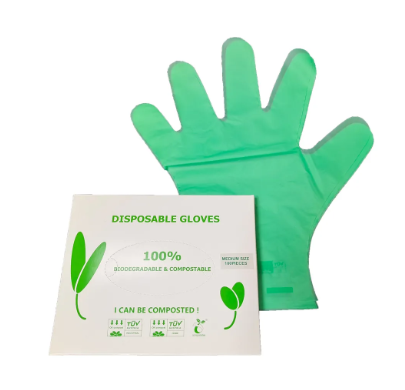
The performance of eco friendly gloves under repeated stretch conditions represents a critical evaluation point for industries transitioning to sustainable protective equipment. As businesses increasingly prioritize environmental responsibility while maintaining operational efficiency, understanding how these biodegradable alternatives respond to mechanical stress becomes essential for informed procurement decisions. The durability characteristics of eco friendly gloves during repetitive stretching movements directly impact their practical viability in demanding work environments.

When evaluating stretch performance, eco friendly gloves demonstrate varying responses based on their material composition and manufacturing processes. These sustainable alternatives utilize plant-based polymers, cornstarch derivatives, and other biodegradable compounds that behave differently than traditional synthetic materials under mechanical stress. The molecular structure of these environmentally conscious materials influences their elastic recovery, tear resistance, and overall durability when subjected to repeated stretching cycles that occur during normal workplace activities.
Material Composition Impact on Stretch Performance
Biodegradable Polymer Characteristics
The foundation of eco friendly gloves performance under stretch conditions lies in their biodegradable polymer matrix. These materials, typically derived from renewable sources like cornstarch, potato starch, or plant-based PLA compounds, exhibit distinct mechanical properties compared to petroleum-based alternatives. The polymer chains in eco friendly gloves are engineered to maintain flexibility while providing adequate barrier protection, though their response to repeated stretching involves different stress distribution patterns than conventional materials.
During repeated stretch cycles, biodegradable polymers in eco friendly gloves undergo molecular realignment that can affect their elastic properties. The natural polymer structure allows for temporary deformation but may show gradual changes in elastic modulus over multiple stretch-recovery cycles. This behavior is particularly evident in high-movement applications where workers repeatedly flex their hands, grip tools, or perform intricate manual tasks that stress the glove material consistently throughout the work period.
Cornstarch-Based Material Response
Cornstarch-derived components in eco friendly gloves contribute specific characteristics to stretch performance that distinguish them from synthetic alternatives. These materials demonstrate good initial elasticity but may exhibit different fatigue patterns under repeated mechanical stress. The starch-based polymer network provides adequate flexibility for normal hand movements while maintaining the biodegradable properties that make these gloves environmentally attractive.
The interaction between cornstarch polymers and other biodegradable additives in eco friendly gloves creates a material matrix that responds predictably to stretching forces. However, the performance envelope differs from traditional materials, requiring users to understand the specific limitations and optimal usage parameters. This understanding becomes crucial when selecting eco friendly gloves for applications involving significant hand movement and repeated stretching demands.
Mechanical Testing and Performance Metrics
Tensile Strength Under Repeated Cycles
Laboratory testing of eco friendly gloves under controlled stretch conditions reveals specific performance characteristics that inform practical usage recommendations. Tensile strength measurements during repeated stretch cycles show that these sustainable materials maintain adequate strength for most industrial applications, though the degradation pattern differs from conventional glove materials. The testing typically involves stretching specimens to predetermined percentages of their original dimensions and measuring force retention over multiple cycles.
Results from standardized stretch testing indicate that eco friendly gloves demonstrate good initial strength retention but may show accelerated property changes after extended cycling compared to petroleum-based alternatives. This performance characteristic doesn't necessarily indicate inferior quality but rather reflects the different molecular behavior of biodegradable materials under mechanical stress. Understanding these patterns helps users establish appropriate replacement schedules and usage protocols.
Elastic Recovery and Permanent Set
The elastic recovery behavior of eco friendly gloves following repeated stretching provides insight into their practical durability and user comfort over extended wear periods. These materials typically demonstrate good initial recovery from moderate stretching but may develop slight permanent set characteristics after numerous stretch cycles. This behavior pattern influences both the fit comfort and protective effectiveness of the gloves during extended use periods.
Permanent set development in eco friendly gloves occurs gradually and typically remains within acceptable limits for most applications. The rate of permanent deformation depends on factors including stretch magnitude, cycle frequency, and ambient conditions during use. Users can optimize performance by understanding these relationships and implementing usage practices that minimize excessive stretching beyond the material's optimal performance range.
Application-Specific Performance Considerations
Food Service and Laboratory Applications
In food service environments, eco friendly gloves must perform reliably under frequent stretching associated with food handling, utensil manipulation, and cleaning activities. The repeated stretch conditions in these applications typically involve moderate elongations during normal hand movements, which fall within the performance envelope of most biodegradable materials. The stretch performance proves adequate for standard food service tasks while providing the environmental benefits that align with sustainability initiatives in the hospitality industry.
Laboratory applications present unique stretch performance requirements for eco friendly gloves due to the precision handling requirements and potential chemical exposure considerations. The repeated stretching associated with pipetting, sample manipulation, and equipment handling typically occurs within moderate strain ranges that these sustainable materials accommodate effectively. However, applications involving aggressive chemicals or extreme temperatures may require performance validation to ensure adequate protection maintenance under stretching conditions.
Manufacturing and Assembly Operations
Manufacturing environments often subject eco friendly gloves to more aggressive stretch conditions due to tool handling, component manipulation, and assembly operations. The performance under these demanding conditions depends significantly on the specific material formulation and intended application parameters. Many eco friendly gloves perform adequately in light to moderate manufacturing applications, though heavy industrial uses may require careful performance evaluation.
The repeated stretch performance in assembly operations reveals both the capabilities and limitations of eco friendly gloves compared to traditional alternatives. While these sustainable options may show different fatigue characteristics under aggressive stretching, they often provide sufficient performance for applications where environmental responsibility aligns with operational requirements. Understanding the performance boundaries helps manufacturers make informed decisions about implementation strategies.
Environmental and Operational Balance
Performance Trade-offs in Sustainable Design
The stretch performance characteristics of eco friendly gloves represent intentional design trade-offs that balance environmental benefits with functional requirements. These materials are engineered to provide adequate protection and durability while maintaining their biodegradable properties, which sometimes results in different performance patterns compared to petroleum-based alternatives. Understanding these trade-offs helps users make informed decisions about application suitability and usage optimization.
The engineering challenge in developing eco friendly gloves involves optimizing mechanical properties including stretch resistance while preserving the environmental benefits that drive their adoption. Current formulations demonstrate that sustainable materials can achieve performance levels suitable for many applications, though specific use cases may require performance validation. This balance continues to improve as material science advances and manufacturing processes become more sophisticated.
Cost-Effectiveness and Performance Integration
Evaluating eco friendly gloves performance under repeated stretch conditions must include consideration of total cost-effectiveness including environmental benefits, performance adequacy, and operational efficiency. While the stretch characteristics may differ from traditional materials, the overall value proposition often favors sustainable alternatives when environmental impact factors into the decision matrix. The performance under repeated stretching typically proves sufficient for applications where sustainability goals align with operational requirements.
The integration of environmental responsibility with functional performance requirements drives continued development in eco friendly gloves technology. As user experience with these materials expands and manufacturing processes improve, the performance gap between sustainable and traditional materials continues to narrow. This evolution supports broader adoption of eco friendly gloves in applications where repeated stretching represents a significant performance consideration.
FAQ
How many stretch cycles can eco friendly gloves typically withstand before performance degradation?
Most eco friendly gloves can withstand hundreds of moderate stretch cycles before showing significant performance changes, though the exact number depends on material formulation, stretch magnitude, and environmental conditions. Laboratory testing typically shows adequate performance for normal work shift durations under typical usage patterns.
Do eco friendly gloves maintain the same elasticity as traditional materials during repeated stretching?
While eco friendly gloves demonstrate good elasticity, their recovery characteristics may differ slightly from petroleum-based materials. They typically maintain adequate elasticity for most applications, though users may notice gradual changes in fit and feel over extended use periods involving frequent stretching.
What factors most significantly affect the stretch performance of eco friendly gloves?
Temperature, humidity, stretch magnitude, and cycle frequency represent the primary factors influencing stretch performance. Higher temperatures and humidity levels can affect material properties, while excessive stretching beyond design parameters accelerates performance changes. Moderate usage conditions typically optimize performance longevity.
Are there specific applications where eco friendly gloves stretch performance may be insufficient?
Applications involving extreme stretching, aggressive chemical exposure, or very high cycle frequencies may challenge the performance limits of some eco friendly gloves. Heavy industrial applications, high-stress assembly operations, or specialized medical procedures may require performance validation to ensure adequate protection maintenance under demanding stretch conditions.
Table of Contents
- Material Composition Impact on Stretch Performance
- Mechanical Testing and Performance Metrics
- Application-Specific Performance Considerations
- Environmental and Operational Balance
-
FAQ
- How many stretch cycles can eco friendly gloves typically withstand before performance degradation?
- Do eco friendly gloves maintain the same elasticity as traditional materials during repeated stretching?
- What factors most significantly affect the stretch performance of eco friendly gloves?
- Are there specific applications where eco friendly gloves stretch performance may be insufficient?

