
 EN
EN

Compostable plastic bags are transforming the retail checkout experience by providing an eco-friendly alternative that seamlessly fits into existing store operations. These innovative bags work within traditional checkout systems while addressing growing consumer demand for sustainable packaging solutions. Retailers are discovering that compostable plastic bags can maintain operational efficiency while demonstrating environmental responsibility to increasingly conscious customers.
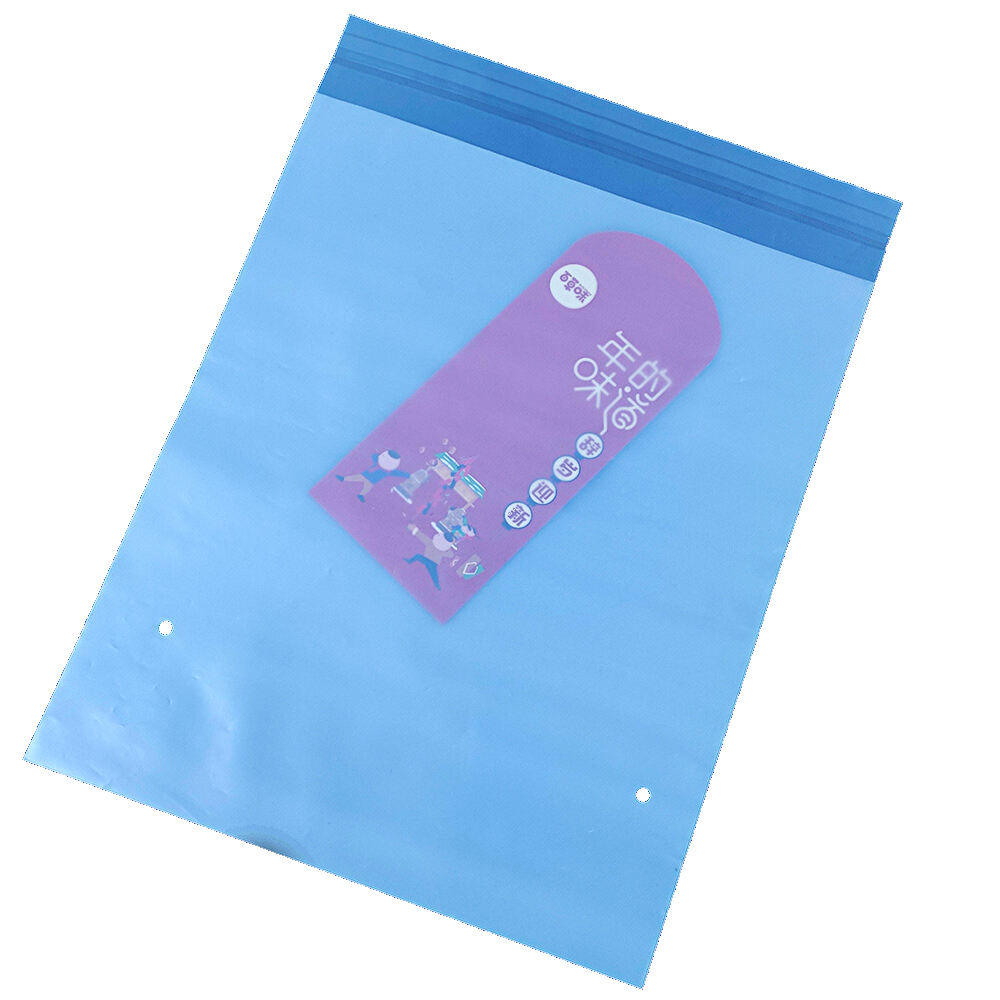
The integration process involves multiple operational considerations, from bag dispenser compatibility to cashier training protocols. Modern compostable plastic bags are engineered to perform similarly to conventional plastic bags during the checkout process, ensuring minimal disruption to customer flow and staff efficiency. Understanding how these bags function within retail environments helps store managers make informed decisions about sustainable packaging transitions.
Technical Compatibility with Existing Checkout Equipment
Bag Dispenser Integration
Compostable plastic bags are designed to work with standard retail bag dispensers without requiring equipment modifications. These bags maintain the tear-away perforations and folding patterns that allow smooth dispensing from traditional checkout systems. The material thickness and flexibility of quality compostable plastic bags match conventional bags, ensuring they feed properly through automatic dispensing mechanisms.
Retail checkout systems depend on consistent bag performance to maintain transaction speed. Compostable plastic bags utilize advanced biopolymer formulations that provide the necessary tensile strength and handling characteristics for efficient dispensing. Store managers find that proper bag selection eliminates the feeding jams and dispensing issues that can slow checkout processes.
The perforated sections on compostable plastic bags tear cleanly and consistently, allowing cashiers to separate bags quickly without delays. This technical compatibility ensures that the transition to sustainable packaging does not create operational bottlenecks during peak shopping periods when checkout efficiency is critical.
Barcode Scanner Compatibility
Modern compostable plastic bags incorporate materials that do not interfere with barcode scanning systems commonly used at checkout counters. The transparent or translucent nature of these bags allows laser scanners to read product codes through the bag material without requiring additional scanning attempts. This compatibility is essential for maintaining checkout speed and accuracy.
Retail point-of-sale systems rely on quick and accurate barcode recognition to process transactions efficiently. Compostable plastic bags are formulated to avoid optical interference that could cause scanning delays or errors. The material composition ensures that infrared and laser scanning systems function normally when products are bagged during the checkout process.
Store associates report that quality compostable plastic bags perform identically to conventional bags when items need to be scanned after bagging for price verification or inventory adjustments. This scanning compatibility eliminates the need for staff to remove items from bags, maintaining transaction flow and customer satisfaction.
Operational Workflow Integration
Cashier Training and Handling Procedures
Successful integration of compostable plastic bags requires minimal additional training for checkout staff, as handling procedures remain largely unchanged from conventional bags. Cashiers learn to recognize the slight differences in texture and flexibility that characterize high-quality compostable materials while maintaining their standard bagging techniques. The key training focus involves understanding the environmental benefits to communicate value to customers.
Retail training programs emphasize that compostable plastic bags should be opened and loaded using the same methods as traditional bags. Staff members discover that these sustainable alternatives provide adequate strength for typical grocery and retail items when handled properly. Proper training ensures that cashiers feel confident using the new bags without concerns about performance issues.
Store managers implement brief orientation sessions that highlight the environmental messaging opportunities that compostable plastic bags provide during customer interactions. This training helps staff communicate the store's sustainability commitment while maintaining focus on efficient checkout processes.
Inventory Management and Storage
Compostable plastic bags integrate smoothly into existing inventory management systems used by retail operations. These bags are stored using the same racking and organization methods as conventional bags, requiring no additional storage infrastructure or special environmental controls. Inventory tracking systems can monitor bag usage and reorder levels using established protocols.
Retail stores find that compostable plastic bags maintain their integrity during normal storage periods when kept in dry, temperature-controlled environments. The shelf stability of modern compostable materials ensures that bags remain functional throughout typical inventory cycles without premature degradation. This storage compatibility simplifies the transition process for retail operations.
Store managers appreciate that compostable plastic bags can be ordered and received through existing supplier relationships and delivery schedules. The packaging and shipping methods for these sustainable alternatives match conventional bag logistics, allowing seamless integration into established procurement workflows.
Customer Experience and Communication
Point-of-Sale Messaging
Retail checkout areas provide natural opportunities to communicate the environmental benefits of compostable plastic bags to customers during transactions. Point-of-sale displays and signage help customers understand the sustainable choice they are receiving without disrupting checkout flow. This messaging reinforces the store's commitment to environmental responsibility while educating consumers about composting options.
Customer education about compostable plastic bags occurs organically during the bagging process, allowing staff to briefly explain the environmental advantages when customers express interest. Retail associates find that many customers appreciate learning about sustainable packaging options, creating positive interactions that enhance the shopping experience. Clear communication helps customers understand proper disposal methods for maximum environmental benefit.
Stores implement subtle visual cues and labeling that distinguish compostable plastic bags from conventional options, allowing environmentally conscious customers to recognize the sustainable choice. This identification helps build customer loyalty among consumers who prioritize eco-friendly shopping experiences while requiring minimal additional explanation during busy checkout periods.
Performance Expectations and Customer Satisfaction
Customer acceptance of compostable plastic bags depends on performance that meets or exceeds expectations for strength, capacity, and functionality. Retail studies show that high-quality compostable bags perform comparably to conventional bags for typical shopping loads, maintaining customer confidence in the sustainable alternative. Proper bag selection ensures that customers experience reliable performance during transport and storage.
Retail operations monitor customer feedback regarding compostable plastic bags to ensure satisfaction levels remain consistent with conventional options. Customers report that well-designed compostable bags handle normal grocery items, clothing, and retail products without performance concerns. This positive feedback supports continued use and helps justify the environmental benefits to cost-conscious consumers.
Store managers find that customer complaints about bag performance decrease when high-quality compostable plastic bags are selected and staff are properly trained on handling techniques. Customer satisfaction surveys indicate that environmental benefits often outweigh minor performance differences when customers understand the sustainability advantages of their packaging choice.
Economic and Environmental Integration
Cost Management and Budget Integration
Compostable plastic bags integrate into retail budgets through gradual cost considerations that balance environmental benefits with operational economics. While initial costs may exceed conventional bags, many retailers find that customer preference and regulatory compliance justify the investment in sustainable packaging. Budget planning incorporates the long-term brand value and customer loyalty benefits that accompany environmental leadership.
Retail financial analysis includes the potential cost savings from reduced waste disposal fees and improved brand perception when implementing compostable plastic bags. Some municipalities offer incentives or reduced waste fees for businesses that adopt compostable packaging, helping offset initial cost differences. These economic factors support business cases for sustainable packaging transitions.
Store operations find that bulk purchasing and supplier partnerships can reduce the cost gap between compostable plastic bags and conventional alternatives. Long-term contracts and volume commitments help retailers secure competitive pricing while supporting supplier investment in sustainable manufacturing capacity.
Regulatory Compliance and Market Positioning
Compostable plastic bags help retail operations comply with emerging regulations that restrict single-use plastic packaging in many jurisdictions. Proactive adoption of these sustainable alternatives positions stores ahead of regulatory requirements while demonstrating environmental leadership to customers and stakeholders. This compliance integration reduces future operational disruptions and potential penalty risks.
Retail market positioning benefits from the environmental messaging that compostable plastic bags provide during every customer transaction. Stores that adopt sustainable packaging early gain competitive advantages in attracting environmentally conscious consumers who increasingly factor sustainability into shopping decisions. This market differentiation helps justify investment in compostable alternatives.
Industry trends indicate that compostable plastic bags will become standard practice as regulations tighten and consumer preferences shift toward sustainable options. Early adoption allows retail operations to refine integration processes and staff training before widespread implementation becomes mandatory, providing operational advantages over competitors.
FAQ
Do compostable plastic bags work with automated bagging machines?
Yes, high-quality compostable plastic bags are designed to work with most automated bagging machines used in grocery and retail checkout systems. The bags maintain the necessary tensile strength and flexibility for machine handling while providing the perforations and folding patterns required for automatic dispensing. Retailers should verify compatibility with their specific equipment and select compostable bags that meet the technical specifications for their automated systems.
How do customers dispose of compostable plastic bags properly?
Customers can dispose of compostable plastic bags through commercial composting facilities where available, or in home compost systems that reach appropriate temperatures. Many municipalities accept certified compostable bags in their organic waste collection programs, though customers should verify local guidelines. Retail stores often provide educational materials about proper disposal methods to help customers maximize the environmental benefits of compostable packaging.
What training do checkout staff need for compostable plastic bags?
Checkout staff require minimal additional training for compostable plastic bags, as handling procedures remain similar to conventional bags. Training typically covers recognizing the material differences, proper opening and loading techniques, and key environmental messaging points for customer interactions. Most retail operations find that a brief orientation session covering these topics prepares staff effectively for the transition to sustainable packaging options.
Can compostable plastic bags handle heavy or sharp items safely?
Quality compostable plastic bags provide adequate strength for most retail items when properly manufactured and handled, though extremely heavy or sharp items may require double-bagging or alternative packaging. Retail staff learn to assess item characteristics and apply appropriate bagging techniques to ensure customer satisfaction and safe transport. Many stores maintain alternative packaging options for items that exceed the capacity of standard compostable bags.

