
 EN
EN
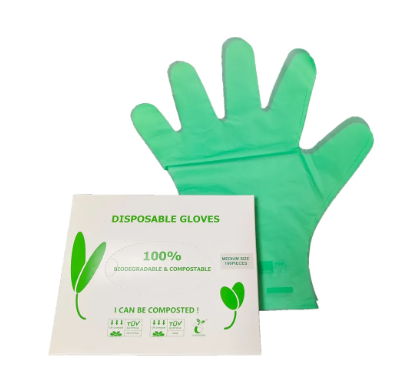
Understanding the appropriate gauge specifications for polythene gloves is essential when selecting protective handwear for different industrial applications. The gauge measurement directly impacts the thickness, durability, and protective capabilities of polythene gloves, determining whether they suit light-duty handling or heavy-duty industrial tasks. Professional procurement teams and safety managers must consider these gauge ranges to ensure worker protection while maintaining operational efficiency and cost-effectiveness.

The gauge classification system provides a standardized method for categorizing polythene gloves based on their material thickness and intended performance characteristics. Light-duty polythene gloves typically range from 8 to 12 gauge, offering basic protection for food handling, light assembly work, and general inspection tasks. Heavy-duty applications require polythene gloves in the 4 to 8 gauge range, providing enhanced puncture resistance and durability for manufacturing, chemical handling, and industrial maintenance operations.
Understanding Polythene Glove Gauge Measurements
Technical Definition and Measurement Standards
Gauge measurement in polythene gloves refers to the thickness of the polymer film used in manufacturing, typically expressed in micrometers or mils. The gauge system provides manufacturers and users with a standardized reference point for comparing protective capabilities across different polythene gloves products. Higher gauge numbers indicate thinner materials, while lower gauge numbers represent thicker, more robust protective barriers.
International standards organizations have established testing protocols to ensure consistent gauge measurements across polythene gloves manufacturers. These standards specify measurement points, testing conditions, and acceptable tolerance ranges for thickness variations. Quality polythene gloves undergo multiple thickness measurements across different areas of the glove to verify uniform gauge distribution and identify potential weak points that could compromise protection.
Relationship Between Gauge and Material Properties
The gauge specification directly influences several critical performance characteristics of polythene gloves, including tensile strength, puncture resistance, and chemical barrier effectiveness. Thicker gauge polythene gloves provide superior mechanical protection but may reduce tactile sensitivity and dexterity for precision tasks. Conversely, thinner gauge options maintain finger mobility while offering adequate protection for lighter applications.
Manufacturing processes for polythene gloves must carefully control polymer extrusion parameters to achieve consistent gauge specifications throughout each glove. Temperature control, cooling rates, and stretching forces during production all influence the final gauge characteristics. Premium polythene gloves manufacturers implement advanced quality control systems to monitor gauge consistency and reject products that fall outside specified tolerance ranges.
Light-Duty Gauge Specifications and Applications
Optimal Gauge Ranges for Food Service Operations
Food service environments typically require polythene gloves in the 10 to 12 gauge range, providing adequate barrier protection while maintaining the tactile sensitivity necessary for food preparation tasks. These lighter gauge polythene gloves offer sufficient protection against cross-contamination while allowing workers to handle delicate food items without compromising quality or presentation. Restaurant kitchens, cafeterias, and food processing facilities rely on these gauge specifications to meet health department regulations.
The 10 to 12 gauge range for polythene gloves balances cost-effectiveness with functional performance in high-volume food service applications. Workers can easily don and doff these gloves during busy service periods without experiencing hand fatigue or reduced productivity. The relatively thin construction allows for extended wear periods while maintaining breathability and comfort during demanding shifts.
Electronics and Precision Assembly Requirements
Electronics manufacturing and precision assembly operations benefit from polythene gloves in the 8 to 10 gauge range, which provide electrostatic discharge protection while preserving the finger dexterity required for component handling. These applications demand polythene gloves that protect sensitive electronic components from contamination without introducing additional handling difficulties or assembly errors.
Quality control processes in electronics manufacturing rely on workers wearing appropriately gauged polythene gloves to prevent fingerprint contamination and oil transfer onto circuit boards and optical components. The 8 to 10 gauge specification ensures adequate barrier protection while allowing workers to manipulate small components, operate testing equipment, and perform detailed inspection tasks without compromising accuracy or efficiency.
Heavy-Duty Gauge Requirements for Industrial Tasks
Chemical Handling and Laboratory Applications
Industrial chemical handling requires polythene gloves in the 4 to 6 gauge range to provide adequate protection against aggressive chemicals, solvents, and corrosive substances. These thicker gauge specifications create more robust barrier layers that resist chemical penetration and reduce the risk of skin contact with hazardous materials. Laboratory technicians, chemical plant operators, and industrial cleaning crews depend on heavy-duty polythene gloves for occupational safety compliance.
The enhanced thickness of 4 to 6 gauge polythene gloves provides extended breakthrough times when exposed to various chemical substances, giving workers additional safety margins during emergency situations or extended exposure periods. These gauge specifications undergo rigorous chemical resistance testing to verify performance against specific industrial chemicals commonly encountered in manufacturing and processing environments.
Manufacturing and Maintenance Operations
Heavy manufacturing environments require polythene gloves in the 5 to 8 gauge range to withstand mechanical stress, sharp edges, and abrasive materials encountered during production operations. Automotive assembly lines, metal fabrication shops, and heavy equipment maintenance facilities specify these gauge ranges to protect workers from cuts, punctures, and industrial contamination while maintaining sufficient dexterity for tool operation.
Maintenance technicians working with machinery, hydraulic systems, and industrial equipment benefit from the enhanced durability provided by 5 to 8 gauge polythene gloves. These specifications resist tearing from rough surfaces and provide reliable barrier protection against oils, greases, and cleaning solvents commonly used in maintenance applications. The increased thickness also offers better thermal protection when handling warm components or working near heat sources.
Selection Criteria and Performance Considerations
Balancing Protection and Functionality
Selecting the appropriate gauge range for polythene gloves requires careful consideration of task requirements, exposure risks, and worker performance needs. Safety managers must evaluate the specific hazards present in each application while ensuring that protective measures do not unnecessarily impede worker productivity or comfort. The optimal gauge specification provides adequate protection without over-engineering the solution or creating additional operational challenges.
Cost-benefit analysis plays a crucial role in gauge selection for polythene gloves, as thicker gauge options typically command higher prices but may reduce replacement frequency and improve overall protection effectiveness. Organizations must weigh initial procurement costs against potential injury costs, productivity impacts, and regulatory compliance requirements when establishing polythene gloves specifications for different departments or applications.
Quality Assurance and Testing Standards
Reputable manufacturers of polythene gloves conduct comprehensive testing to verify that gauge specifications meet or exceed industry standards for mechanical strength, chemical resistance, and barrier integrity. These testing protocols include puncture resistance measurements, tensile strength evaluations, and chemical breakthrough time assessments to ensure consistent performance across production batches.
Procurement teams should require documentation of gauge testing results and quality certifications when sourcing polythene gloves for critical applications. Third-party testing laboratories provide independent verification of gauge specifications and performance characteristics, offering additional assurance that products will deliver expected protection levels in real-world operating conditions.
FAQ
What is the difference between 8 gauge and 12 gauge polythene gloves?
The primary difference lies in thickness and intended application. 8 gauge polythene gloves are thicker and provide better puncture resistance for moderately demanding tasks like light assembly work, while 12 gauge polythene gloves are thinner and offer maximum dexterity for food handling and precision tasks requiring high tactile sensitivity.
Can heavy-duty gauge polythene gloves be used for food service applications?
While heavy-duty gauge polythene gloves provide superior protection, they are generally not recommended for food service due to reduced dexterity and increased cost. Food service applications typically require 10-12 gauge polythene gloves that balance protection with the finger mobility needed for food preparation and presentation tasks.
How do I determine the correct gauge range for my specific industrial application?
Evaluate your application based on chemical exposure risks, mechanical hazards, required dexterity levels, and duration of use. Light tasks like inspection or electronics assembly typically require 8-12 gauge polythene gloves, while chemical handling and heavy manufacturing operations need 4-8 gauge specifications for adequate protection.
Do thicker gauge polythene gloves always provide better chemical resistance?
Generally yes, thicker gauge polythene gloves offer improved chemical resistance due to increased barrier thickness, but chemical compatibility depends on the specific polymer formulation and chemical being handled. Always consult chemical resistance charts and conduct breakthrough time testing to verify protection effectiveness for your specific chemical exposure scenarios.
Table of Contents
- Understanding Polythene Glove Gauge Measurements
- Light-Duty Gauge Specifications and Applications
- Heavy-Duty Gauge Requirements for Industrial Tasks
- Selection Criteria and Performance Considerations
-
FAQ
- What is the difference between 8 gauge and 12 gauge polythene gloves?
- Can heavy-duty gauge polythene gloves be used for food service applications?
- How do I determine the correct gauge range for my specific industrial application?
- Do thicker gauge polythene gloves always provide better chemical resistance?

