
 EN
EN

The growing environmental consciousness in industries worldwide has sparked significant interest in sustainable alternatives to traditional disposable products. Biodegradable gloves represent a revolutionary shift from conventional disposable gloves, offering similar protection while addressing critical environmental concerns. Understanding the fundamental differences between these two categories becomes essential for businesses seeking to balance operational efficiency with environmental responsibility. The transition from petroleum-based materials to plant-derived alternatives marks a significant advancement in protective equipment manufacturing, particularly as regulatory pressures and consumer demands continue to evolve toward more sustainable practices.
Material Composition and Manufacturing Processes
Plant-Based Material Technology
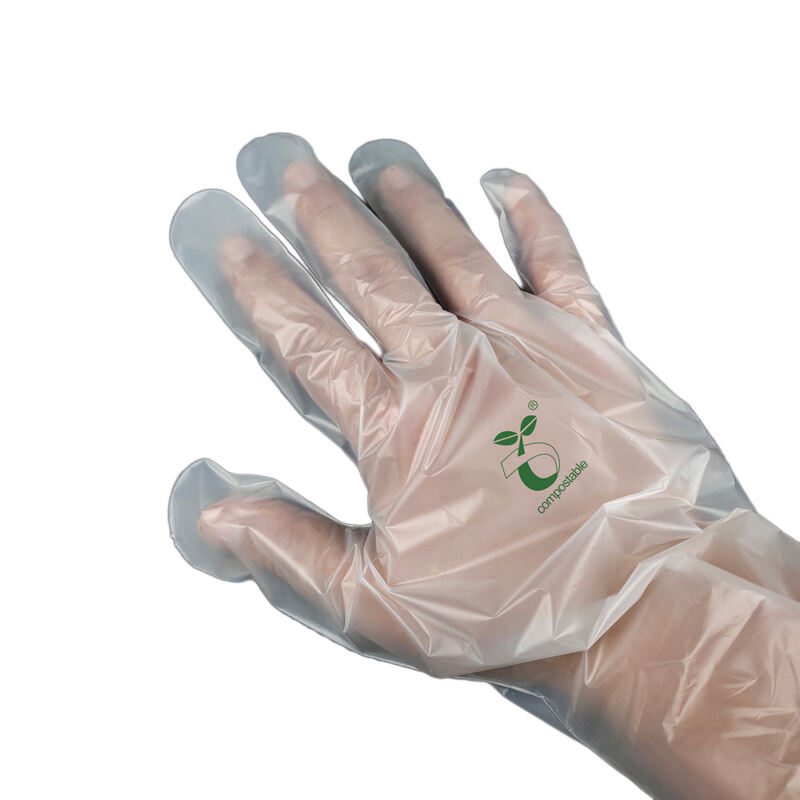
The foundation of biodegradable gloves lies in their innovative material composition, which typically incorporates cornstarch, PLA (polylactic acid), and PBAT (polybutylene adipate terephthalate) compounds. These materials are derived from renewable plant sources rather than petroleum-based polymers used in conventional gloves. The manufacturing process involves complex polymerization techniques that maintain the structural integrity and barrier properties essential for protective applications while ensuring complete biodegradability under appropriate conditions.
Advanced processing methods allow manufacturers to achieve comparable thickness and durability to traditional nitrile or vinyl gloves while maintaining the biodegradable characteristics. The integration of natural polymers requires precise temperature control and specialized equipment to prevent degradation during production. Quality control measures must account for the unique properties of plant-based materials, including moisture sensitivity and temperature stability, which differ significantly from conventional synthetic materials.
Chemical Structure Differences
The molecular structure of biodegradable gloves fundamentally differs from conventional options through the presence of ester bonds and natural polymer chains that can be broken down by enzymatic activity. Conventional gloves utilize synthetic polymers with carbon-carbon bonds that resist natural decomposition processes, contributing to long-term environmental persistence. The chemical architecture of biodegradable alternatives incorporates intentional weak points that allow microorganisms to access and metabolize the material structure.
These structural modifications do not compromise the immediate protective qualities but enable complete breakdown under composting conditions. The polymer chains in biodegradable gloves are designed to maintain stability during use while becoming susceptible to microbial degradation when exposed to appropriate environmental conditions including temperature, humidity, and oxygen levels.
Environmental Impact and Decomposition Characteristics
Biodegradation Timeline and Conditions
The decomposition timeline for biodegradable gloves varies significantly based on environmental conditions, typically requiring 90 to 180 days under industrial composting facilities with controlled temperature and humidity. Home composting environments may extend this timeframe to 12 to 24 months due to lower temperatures and less optimal microbial activity. The process requires specific conditions including adequate moisture, oxygen availability, and temperatures between 50-60°C for optimal breakdown rates.
Conventional gloves, by contrast, can persist in landfill environments for decades or even centuries without significant degradation. The absence of natural breakdown pathways means these products accumulate in waste systems and natural environments, contributing to microplastic pollution and long-term environmental contamination. Understanding these temporal differences helps organizations make informed decisions about waste management strategies and environmental impact reduction.
Carbon Footprint Analysis
Lifecycle assessment studies demonstrate that biodegradable gloves typically exhibit a lower overall carbon footprint compared to conventional alternatives when considering the entire production-to-disposal cycle. The use of renewable feedstocks for material production reduces dependency on fossil fuel extraction and processing. Additionally, the end-of-life composting process can contribute to soil enhancement rather than creating permanent waste streams.
Manufacturing energy requirements for biodegradable materials may initially appear higher due to specialized processing needs, but the reduced environmental impact during disposal and the renewable nature of raw materials often result in net positive environmental benefits. Transportation considerations also play a role, as the bulk density and packaging efficiency of biodegradable gloves can affect distribution-related emissions.
Performance Characteristics and Application Suitability
Barrier Protection and Durability
Modern biodegradable gloves achieve barrier protection levels comparable to conventional options through advanced material engineering and quality control processes. Tensile strength testing demonstrates that properly manufactured biodegradable gloves can withstand normal use conditions including moderate stretching, puncture resistance, and chemical exposure within specified parameters. The key difference lies in the time-sensitive nature of these protective qualities under extreme environmental conditions.
Temperature sensitivity represents a notable characteristic of biodegradable materials, with some formulations showing reduced flexibility in very cold conditions or accelerated breakdown in high-heat environments. However, for typical indoor applications including food service, healthcare, and general industrial use, biodegradable gloves maintain adequate performance standards throughout their intended shelf life and usage period.
Tactile Sensitivity and User Experience
User acceptance depends significantly on tactile feedback and comfort during extended wear periods. Biodegradable gloves have evolved to provide similar fingertip sensitivity to conventional nitrile options, enabling precise manipulation tasks and maintaining user confidence. Surface texturing techniques adapted for plant-based materials ensure adequate grip under various conditions including wet or oily environments.
Comfort factors including interior smoothness, powder-free formulations, and reduced allergenic potential make biodegradable gloves suitable for sensitive applications. The natural origin of materials often reduces skin irritation compared to synthetic alternatives, particularly for users with chemical sensitivities or latex allergies.
Cost Considerations and Economic Factors
Initial Investment and Procurement Costs
The upfront cost differential between biodegradable gloves and conventional options reflects the current scale of production and material sourcing complexity. Economies of scale in conventional glove manufacturing have driven down per-unit costs, while biodegradable alternatives require specialized processing equipment and more expensive raw materials. However, bulk purchasing agreements and long-term supplier relationships can significantly reduce this cost gap.
Total cost of ownership calculations must include waste disposal fees, potential regulatory compliance costs, and brand reputation benefits associated with sustainable practices. Many organizations discover that the premium paid for biodegradable gloves is offset by reduced waste management expenses and improved corporate sustainability metrics.
Long-term Economic Benefits
Regulatory trends toward stricter environmental requirements suggest that early adoption of biodegradable alternatives may provide competitive advantages as compliance costs increase for traditional products. Carbon pricing mechanisms and extended producer responsibility regulations could further favor biodegradable options in future market conditions.
Supply chain resilience also benefits from diversified sourcing strategies that include renewable materials. The volatility of petroleum-based raw material costs contrasts with the relatively stable pricing of agricultural feedstocks used in biodegradable glove production, potentially providing better cost predictability for long-term planning.
Regulatory Compliance and Certification Standards
Industry-Specific Requirements
Food service applications require biodegradable gloves to meet FDA contact surface requirements while maintaining compostability certifications such as ASTM D6400 or EN 13432 standards. Healthcare applications may require additional biocompatibility testing and sterility assurance protocols that account for the unique properties of plant-based materials. Understanding these regulatory frameworks helps organizations select appropriate products for specific applications.
International standards vary significantly, with European certification requirements often more stringent than domestic alternatives. Organizations with global operations must navigate multiple regulatory frameworks while ensuring consistent performance standards across different markets and applications.
Third-Party Verification and Testing
Independent testing laboratories provide crucial verification of biodegradability claims, performance characteristics, and safety standards for biodegradable gloves. Certifications from recognized organizations such as BPI (Biodegradable Products Institute) or TUV Austria provide third-party validation of environmental claims and help organizations make informed purchasing decisions.
Regular testing protocols ensure that biodegradable gloves maintain consistent quality standards throughout their shelf life and under various storage conditions. These verification processes provide confidence in product performance while supporting legitimate environmental benefit claims.
Implementation Strategies and Best Practices
Transition Planning and Staff Training
Successful implementation of biodegradable gloves requires comprehensive staff training to address any performance differences and proper disposal procedures. Users must understand the appropriate storage conditions to maintain product integrity and recognize signs of premature degradation that might compromise protection. Change management strategies should address potential resistance to new products while highlighting environmental and operational benefits.
Pilot programs allow organizations to evaluate biodegradable gloves in specific applications before full-scale deployment. These controlled implementations provide valuable data on user acceptance, performance characteristics, and cost implications while minimizing risk to critical operations.
Supply Chain Integration
Effective supply chain management for biodegradable gloves requires careful attention to storage conditions, inventory rotation, and supplier reliability. Temperature and humidity control during transportation and warehousing prevent premature degradation and ensure product quality. Establishing relationships with certified suppliers who understand the unique requirements of biodegradable materials supports long-term success.
Inventory management systems must account for the limited shelf life of some biodegradable products compared to conventional alternatives. First-in-first-out rotation becomes critical to prevent waste and maintain product effectiveness throughout the supply chain.
FAQ
How long do biodegradable gloves take to decompose completely
Biodegradable gloves typically decompose within 90 to 180 days under industrial composting conditions with controlled temperature, humidity, and microbial activity. Home composting environments may require 12 to 24 months for complete breakdown due to lower temperatures and less optimal conditions. The decomposition rate depends on factors including material composition, environmental conditions, and the presence of appropriate microorganisms to break down the plant-based polymers.
Are biodegradable gloves as protective as conventional disposable gloves
Modern biodegradable gloves provide protection levels comparable to conventional nitrile or vinyl gloves for most applications including food service, general healthcare, and light industrial use. They meet the same barrier protection standards and offer similar puncture resistance and chemical protection within their specified parameters. The main differences lie in temperature sensitivity and storage requirements rather than immediate protective performance during normal use conditions.
What certifications should I look for when purchasing biodegradable gloves
Look for certifications from recognized organizations such as ASTM D6400 or EN 13432 for compostability, BPI certification for biodegradable products, and FDA approval for food contact applications. Healthcare applications may require additional biocompatibility certifications such as ISO 10993 standards. Third-party testing verification from laboratories like TUV Austria or similar organizations provides independent validation of environmental claims and performance characteristics.
Can biodegradable gloves be recycled through standard waste management systems
Biodegradable gloves require specialized composting facilities rather than traditional recycling systems to achieve proper decomposition. Standard municipal recycling programs typically cannot process these materials effectively, and contamination with conventional plastics can compromise recycling streams. Organizations should establish composting partnerships or use certified industrial composting facilities to ensure proper disposal and maximize environmental benefits. Some manufacturers provide take-back programs or guidance on appropriate disposal methods for their biodegradable products.

