biodegradable disposable gloves
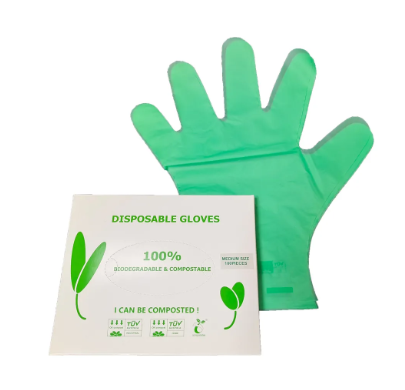
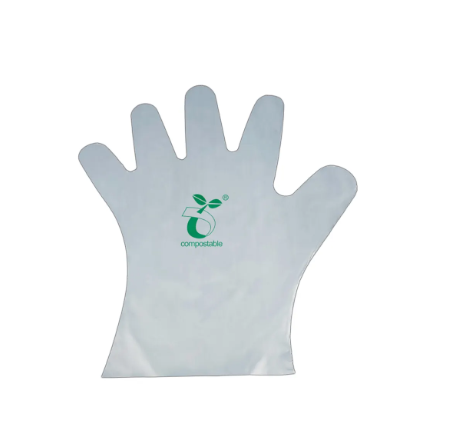
Biodegradable disposable gloves represent a revolutionary advancement in protective hand wear technology, combining essential safety features with environmental responsibility. These innovative gloves are manufactured using plant-based materials and specially formulated polymers that naturally decompose when exposed to specific environmental conditions, making them an ideal alternative to traditional petroleum-based disposable gloves. The primary function of biodegradable disposable gloves centers on providing barrier protection against contamination, chemicals, and biological hazards while maintaining the tactile sensitivity required for precision tasks. These gloves incorporate advanced biodegradation technology that allows them to break down completely within 3-5 years under appropriate composting conditions, compared to conventional gloves that can persist in landfills for decades. The technological features include enhanced grip texturing, superior puncture resistance, and maintained elasticity throughout their functional lifespan. Manufacturing processes utilize renewable resources such as cornstarch, natural rubber latex alternatives, and other bio-based polymers that undergo rigorous quality testing to ensure consistent performance standards. Applications for biodegradable disposable gloves span across multiple industries including healthcare facilities, food service operations, laboratory environments, cleaning services, automotive maintenance, and personal care sectors. Medical professionals rely on these gloves for patient examinations, surgical procedures, and laboratory work where sterility and protection are paramount. Food industry workers utilize them to maintain hygiene standards during food preparation, packaging, and service operations. The versatility of biodegradable disposable gloves makes them suitable for both professional and personal use, offering reliable protection without compromising environmental sustainability goals that modern consumers and businesses increasingly prioritize in their purchasing decisions.

 EN
EN