Biodegradable Hand Gloves: Eco-Friendly Protection for Sustainable Healthcare and Industrial Applications

All Categories

biodegradable hand gloves

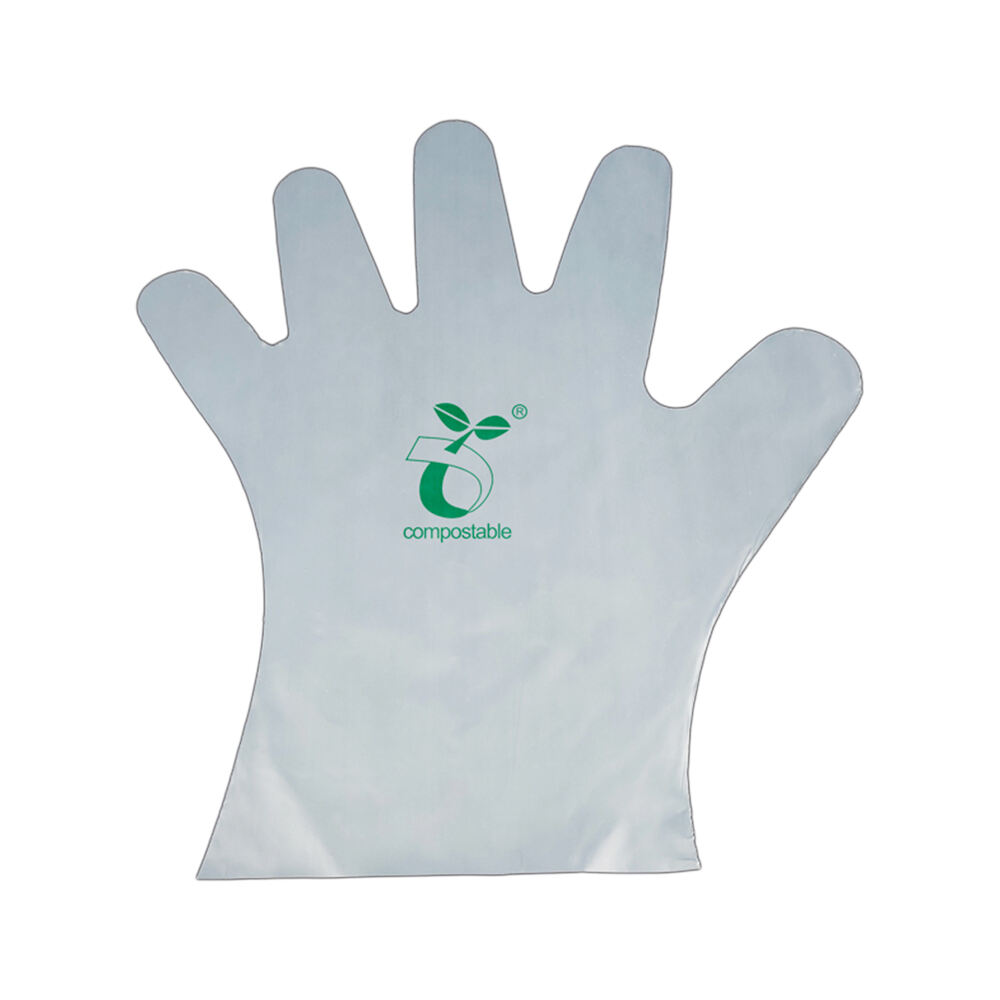
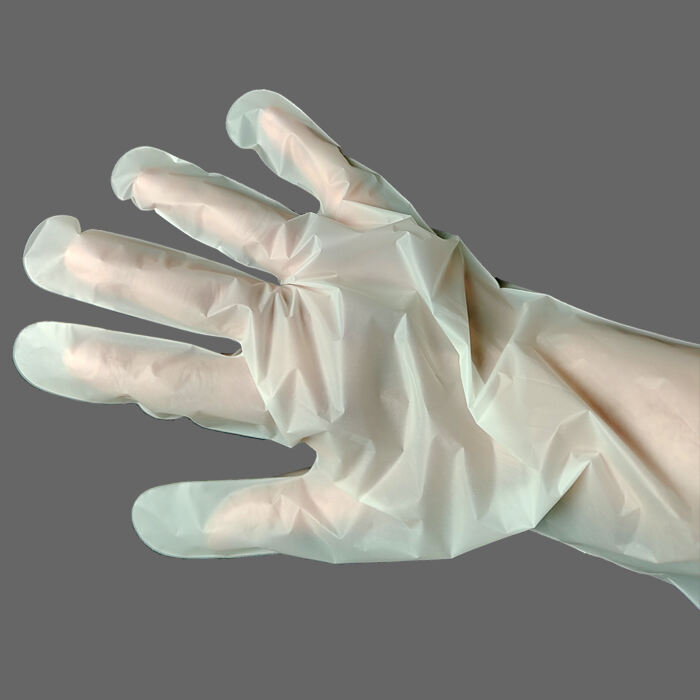
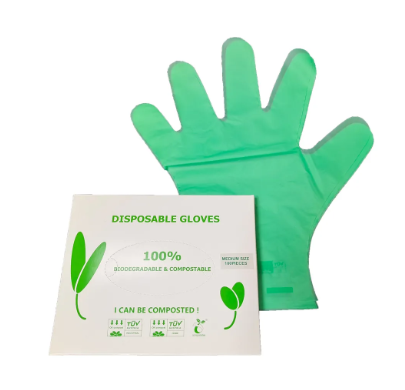
Biodegradable hand gloves represent a revolutionary advancement in personal protective equipment, offering an environmentally responsible alternative to traditional disposable gloves. These innovative gloves are manufactured using specially formulated materials that naturally decompose when exposed to environmental conditions, significantly reducing waste accumulation in landfills and marine environments. The primary function of biodegradable hand gloves centers on providing reliable barrier protection while maintaining the convenience and hygiene standards users expect from disposable protective wear. These gloves effectively shield hands from contaminants, chemicals, and biological materials while offering the peace of mind that comes with sustainable consumption choices. The technological foundation of biodegradable hand gloves relies on advanced polymer science and bio-based material engineering. Manufacturers utilize plant-based polymers, modified starches, and specially treated natural rubber compounds that retain essential protective properties while incorporating biodegradability mechanisms. The decomposition process typically occurs through microbial action, enzymatic breakdown, or photodegradation, depending on the specific material composition. Advanced formulations ensure these gloves maintain structural integrity during use while accelerating breakdown once disposed of properly. Applications for biodegradable hand gloves span numerous industries and personal use scenarios. Healthcare professionals utilize them for routine examinations, minor procedures, and infection control protocols. Food service workers rely on these gloves for safe food handling and preparation. Laboratory technicians employ them for specimen handling and chemical protection. Cleaning services integrate them into their sustainability initiatives while maintaining hygiene standards. Personal users adopt biodegradable hand gloves for gardening, household cleaning, and DIY projects. The versatility extends to industrial applications where workers require disposable protection for assembly, packaging, and quality control tasks. Manufacturing specifications ensure these gloves meet relevant safety standards while delivering comparable performance to conventional alternatives, making the transition seamless for organizations implementing sustainable practices.

Popular Products

Biodegradable hand gloves deliver substantial environmental benefits that address growing concerns about plastic waste pollution. Unlike traditional latex or nitrile gloves that persist in the environment for decades, biodegradable hand gloves decompose naturally within months under appropriate conditions. This rapid breakdown significantly reduces the accumulation of protective equipment waste in landfills and prevents the formation of microplastics that contaminate soil and water systems. Organizations adopting these eco-friendly alternatives demonstrate environmental stewardship while meeting their operational protection requirements. Cost considerations favor biodegradable hand gloves over long-term periods, particularly for businesses facing increasing waste disposal fees and environmental compliance costs. Many manufacturers price these sustainable alternatives competitively with traditional options, while the reduced environmental impact helps companies avoid potential future liability associated with plastic waste regulations. The investment in biodegradable technology often qualifies for sustainability incentives and helps organizations achieve green certification goals that enhance their market positioning. Performance advantages ensure users experience no compromise in protection quality when switching to biodegradable hand gloves. Advanced manufacturing techniques produce gloves with excellent tactile sensitivity, allowing precise manipulation of small objects and tools. The material flexibility accommodates extended wear periods without causing hand fatigue or discomfort. Puncture resistance meets industry standards for most applications, while chemical resistance properties protect against common household and industrial substances. The fit and feel closely match traditional gloves, eliminating the learning curve typically associated with switching protective equipment. Safety certifications validate the protective capabilities of biodegradable hand gloves across various applications. Regulatory compliance ensures these products meet food handling safety standards, medical device requirements, and occupational safety regulations. Quality control processes verify consistent thickness, strength, and barrier properties throughout production batches. Users gain confidence knowing their protective equipment maintains effectiveness while supporting environmental responsibility. The dual benefit of protection and sustainability makes biodegradable hand gloves an intelligent choice for forward-thinking individuals and organizations seeking to balance operational needs with environmental consciousness.

Practical Tips

How to Compost Your Compostable Gloves Properly

11

Aug

How to Compost Your Compostable Gloves Properly

How to Compost Your Compostable Gloves Properly Compostable gloves are a sustainable alternative to single-use plastic gloves, designed to break down naturally into nutrient-rich soil. But to ensure they decompose properly, it’s essential to co...
View More
The Cost-Effectiveness of Compostable Gloves

08

Sep

The Cost-Effectiveness of Compostable Gloves

Transforming Business Sustainability Through Eco-Friendly Hand Protection In today's environmentally conscious business landscape, the shift toward sustainable operational practices has become more than just a trend – it's a necessity. Among the vari...
View More
Disposable Gloves Safety Standards Explained

21

Oct

Disposable Gloves Safety Standards Explained

Understanding Modern Protection Standards in Medical and Industrial Settings The landscape of personal protective equipment has evolved dramatically, with disposable gloves becoming an indispensable component across numerous industries. From healthca...
View More
Compostable Gloves: A Sustainable Choice for Restaurants

27

Nov

Compostable Gloves: A Sustainable Choice for Restaurants

The food service industry is experiencing a transformative shift toward sustainable practices, with restaurants increasingly seeking eco-friendly alternatives to traditional disposables. Among the most significant changes is the adoption of compostab...
View More

Get a Free Quote

Our representative will contact you soon.
Email
Name
Company Name
Message
0/1000

biodegradable hand gloves

Revolutionary Environmental Impact Reduction

Revolutionary Environmental Impact Reduction

The environmental impact reduction achieved through biodegradable hand gloves represents a paradigm shift in how society approaches disposable protective equipment waste management. Traditional disposable gloves contribute significantly to global plastic pollution, with billions of units discarded annually that persist in ecosystems for 50 to 100 years. Biodegradable hand gloves address this crisis by incorporating materials engineered to decompose naturally through biological processes, typically breaking down within 90 to 180 days under composting conditions. The decomposition process occurs through carefully designed molecular structures that allow microorganisms to metabolize the polymer chains, converting them into harmless organic compounds, water, and carbon dioxide. This transformation eliminates the formation of toxic microplastics that contaminate food chains and water supplies. The environmental benefits extend beyond waste reduction to include lower carbon footprints during manufacturing. Many biodegradable hand gloves utilize renewable resources such as corn starch, potato starch, or sustainably harvested natural rubber, reducing dependency on petroleum-based materials. The production processes often require less energy and generate fewer greenhouse gas emissions compared to traditional synthetic glove manufacturing. Ocean conservation represents another critical advantage, as biodegradable materials do not contribute to marine plastic pollution that threatens aquatic ecosystems. Marine life faces reduced risk of ingesting or becoming entangled in protective equipment waste when biodegradable alternatives replace conventional options. Soil health improvement occurs when biodegradable hand gloves decompose in terrestrial environments, as the breakdown products can actually enhance soil organic matter content. The transformation from waste burden to beneficial organic compounds illustrates the circular economy principles embedded in biodegradable technology. Regulatory compliance becomes easier for organizations using biodegradable hand gloves, as governments increasingly implement restrictions on single-use plastics and mandate sustainable alternatives across various industries.
Superior Performance Without Compromise

Superior Performance Without Compromise

Superior performance characteristics ensure biodegradable hand gloves deliver exceptional functionality while maintaining environmental responsibility, dispelling misconceptions that eco-friendly alternatives sacrifice quality for sustainability. Advanced material science enables these gloves to match or exceed the performance metrics of traditional protective equipment across multiple critical parameters. Tensile strength testing demonstrates that properly formulated biodegradable hand gloves withstand significant stress without tearing or puncturing during normal use applications. The elastic modulus provides excellent stretch recovery, allowing gloves to conform to hand shapes while returning to original dimensions without permanent deformation. Barrier protection effectiveness remains paramount, with biodegradable formulations offering excellent resistance to liquids, chemicals, and biological contaminants that users encounter in healthcare, food service, and industrial environments. Tactile sensitivity represents a crucial performance factor that biodegradable hand gloves deliver through optimized thickness control and surface texturing. Users maintain precise dexterity for detailed tasks such as surgical procedures, electronic component assembly, or food preparation activities requiring fine motor control. The grip characteristics enhance safety by preventing slippage when handling wet or oily objects, while the flexible material allows natural hand movement without restriction. Comfort during extended wear periods sets quality biodegradable hand gloves apart from inferior alternatives, as proper formulation prevents skin irritation and excessive perspiration buildup. Breathability improvements through micro-perforations or advanced polymer structures enhance user comfort while maintaining protective integrity. Temperature resistance ensures consistent performance across various environmental conditions, from cold storage facilities to warm manufacturing environments. Chemical compatibility testing verifies that biodegradable hand gloves resist degradation when exposed to common cleaning agents, sanitizers, and industrial chemicals within their intended use parameters. The performance reliability extends to storage stability, with proper packaging maintaining glove integrity for extended periods before use, ensuring consistent quality from manufacturing to application.
Versatile Applications Across Industries

Versatile Applications Across Industries

Versatile applications across diverse industries demonstrate the broad utility and adaptability of biodegradable hand gloves in meeting varied protective requirements while supporting sustainability initiatives throughout different economic sectors. Healthcare applications represent the largest adoption area, where biodegradable hand gloves serve critical functions in patient care, surgical assistance, and infection control protocols. Medical professionals utilize these gloves for routine examinations, wound care, medication administration, and laboratory specimen handling while contributing to healthcare sustainability goals. The biocompatible nature of many biodegradable materials reduces allergic reactions compared to latex alternatives, expanding accessibility for healthcare workers with sensitivity issues. Food service industries benefit tremendously from biodegradable hand gloves that maintain food safety standards while addressing environmental concerns associated with high-volume disposable glove consumption. Restaurant kitchens, food processing facilities, and catering operations integrate these gloves into their food handling protocols without compromising hygiene requirements. The compliance with food contact regulations ensures safe interaction with consumable products while supporting corporate sustainability commitments that increasingly influence consumer preferences and regulatory requirements. Industrial manufacturing applications leverage biodegradable hand gloves for assembly operations, quality control inspections, and material handling tasks where workers require temporary protection without long-term environmental impact. Electronics manufacturing particularly benefits from the anti-static properties available in specialized biodegradable formulations that prevent component damage during assembly processes. Automotive, textile, and pharmaceutical manufacturing sectors adopt these gloves to meet environmental management system requirements while maintaining operational efficiency and worker safety standards. Educational institutions utilize biodegradable hand gloves in science laboratories, art programs, and maintenance activities, teaching environmental responsibility while providing necessary protection. Research facilities integrate these gloves into their laboratory protocols, supporting sustainability research goals while maintaining scientific rigor and safety standards. Agricultural applications include crop handling, livestock care, and pesticide application scenarios where biodegradable gloves eliminate concerns about environmental contamination from discarded protective equipment in farming environments.


Get a Free Quote

Our representative will contact you soon.
Email
Name
Company Name
Message
0/1000
email goToTop