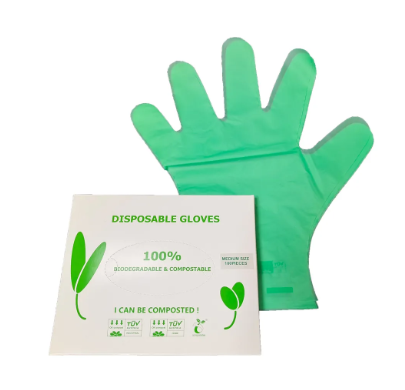
biodegradable gloves for food service
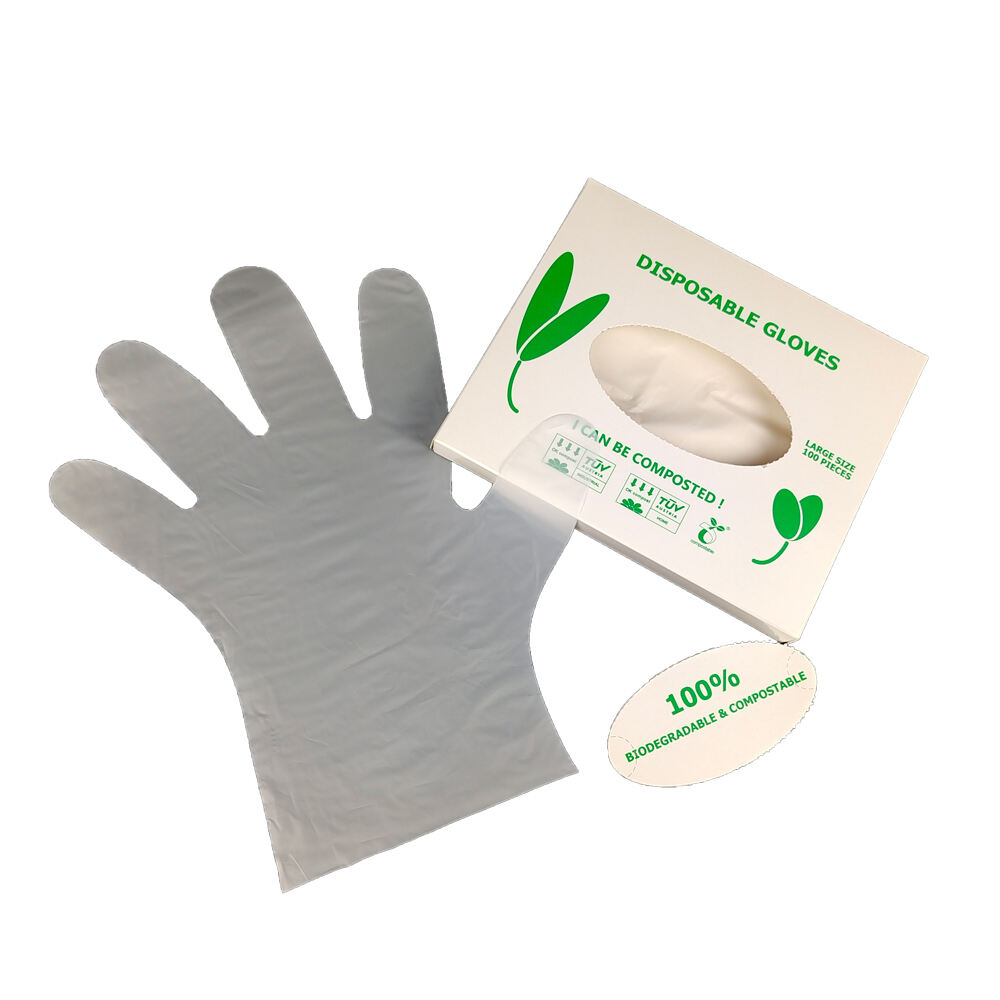
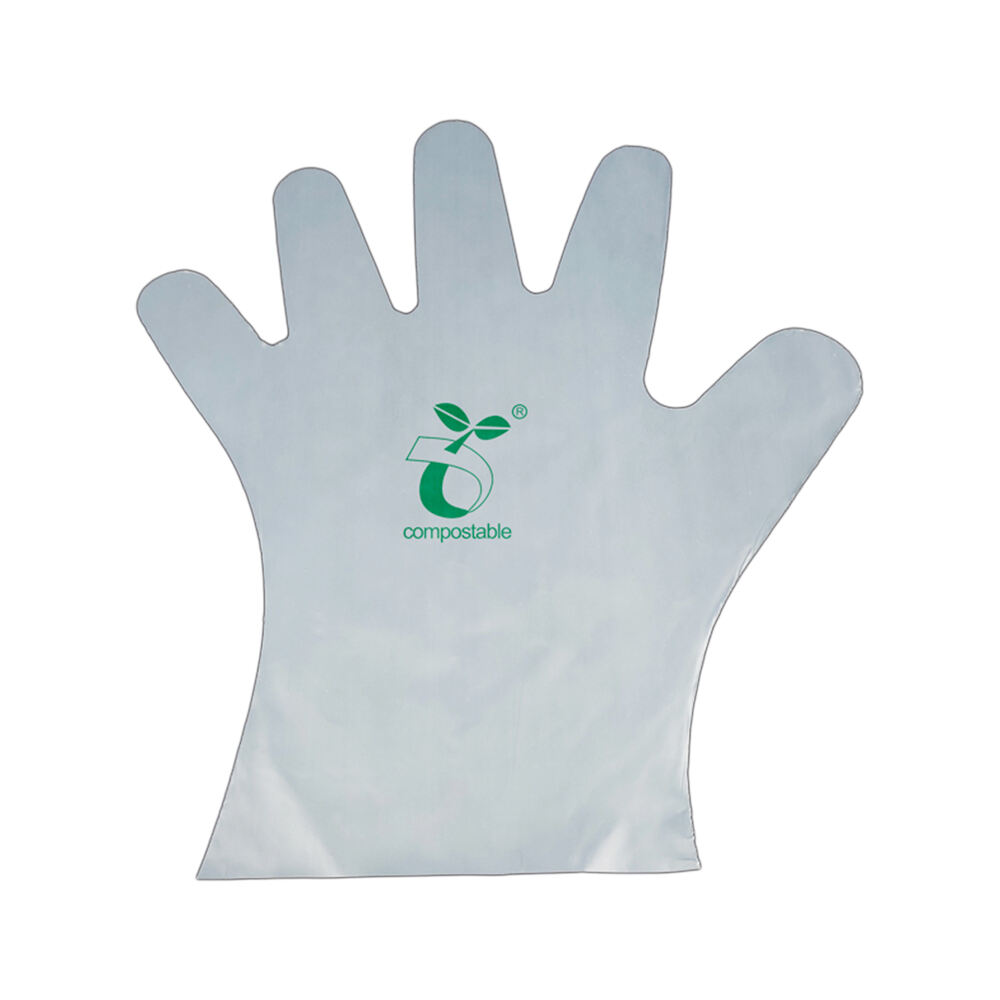
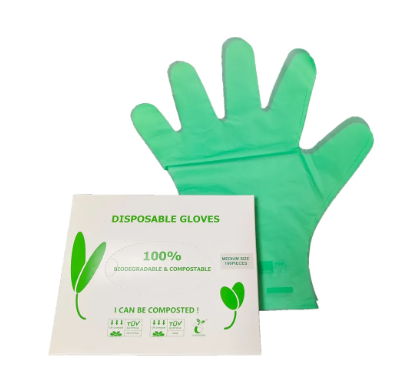
Biodegradable gloves for food service represent a revolutionary advancement in protective hand wear designed specifically for culinary professionals and food handling environments. These innovative gloves combine essential food safety protection with environmental responsibility, offering a sustainable alternative to traditional disposable gloves. The primary function of biodegradable gloves for food service centers on maintaining strict hygiene standards while minimizing ecological impact through their ability to decompose naturally after disposal. Technological features include advanced polymer compositions derived from plant-based materials such as cornstarch, potato starch, and other renewable resources. These materials undergo specialized processing to create a flexible, durable barrier that meets stringent food safety regulations. The gloves incorporate proprietary biodegradation catalysts that accelerate decomposition when exposed to specific environmental conditions, typically breaking down within 180 to 365 days in appropriate composting facilities. Applications span across diverse food service sectors including restaurants, catering companies, food processing facilities, healthcare dining services, school cafeterias, and retail food preparation areas. Professional kitchens utilize biodegradable gloves for food service during meal preparation, ingredient handling, serving procedures, and cleanup operations. The gloves maintain excellent tactile sensitivity, allowing chefs and food handlers to perform intricate tasks while ensuring contamination prevention. Advanced manufacturing techniques ensure these gloves meet FDA requirements for direct food contact, providing the same level of protection as conventional options. The polymer structure resists tears, punctures, and chemical degradation from common kitchen substances including oils, acids, and cleaning agents. Temperature resistance allows safe use in both cold storage environments and moderate heat applications. Quality control measures include rigorous testing for barrier properties, biodegradation rates, and food safety compliance, ensuring consistent performance across all manufacturing batches.

 EN
EN