Premium Compostable Plastic Garbage Bags - Eco-Friendly Waste Management Solutions

All Categories

compostable plastic garbage bags

Compostable plastic garbage bags represent a revolutionary advancement in sustainable waste management solutions, designed to address growing environmental concerns while maintaining the convenience and functionality of traditional plastic bags. These innovative waste disposal products are manufactured using plant-based materials and biodegradable polymers that break down naturally in commercial composting facilities within 90 to 180 days. Unlike conventional plastic bags that persist in landfills for hundreds of years, compostable plastic garbage bags transform into nutrient-rich soil amendments through controlled decomposition processes. The main function of these eco-friendly bags centers on providing reliable waste containment while supporting circular economy principles. Technological features include advanced biopolymer construction that ensures adequate strength and durability for household and commercial waste applications. The bags incorporate specialized additives that accelerate decomposition when exposed to optimal composting conditions including proper temperature, moisture, and oxygen levels. Manufacturing processes utilize renewable resources such as corn starch, potato starch, and other plant-based materials that reduce dependence on petroleum-derived plastics. Quality control measures ensure each compostable plastic garbage bag meets international standards for biodegradability and compostability, including ASTM D6400 and EN 13432 certifications. Applications span residential kitchens for organic waste collection, commercial food service establishments, municipal composting programs, and zero-waste initiatives. The bags effectively handle wet organic materials, food scraps, yard waste, and other biodegradable substances without compromising structural integrity. Size variations accommodate different waste volumes from small countertop containers to large outdoor bins. Color coding systems help users differentiate between compostable and recyclable waste streams. Integration with existing waste management infrastructure requires minimal adjustments while supporting environmental sustainability goals. These bags facilitate proper separation of organic waste from conventional garbage, enabling efficient composting operations and reducing overall landfill burden.

New Products

Compostable plastic garbage bags deliver substantial environmental benefits that make them superior alternatives to conventional waste disposal options. These bags reduce plastic pollution by eliminating persistent synthetic materials from waste streams, preventing microplastic contamination in soil and water systems. Users contribute directly to environmental protection by choosing products that decompose naturally rather than accumulating in ecosystems. The manufacturing process generates lower carbon emissions compared to petroleum-based plastic production, supporting climate change mitigation efforts. Cost savings emerge through reduced waste management fees in municipalities that offer composting programs, as organic waste diverted from landfills decreases disposal costs. Homeowners benefit from simplified waste sorting processes, as compostable bags streamline organic waste collection without requiring bag removal before composting. The durability of these bags matches traditional plastic performance, handling heavy loads and sharp objects without tearing or leaking during normal use. Convenience factors include easy storage, standard sizing compatibility with existing trash receptacles, and straightforward disposal procedures. Health advantages include reduced exposure to harmful chemicals often present in conventional plastic bags, creating safer environments for families and food service workers. Commercial establishments gain marketing advantages by demonstrating environmental responsibility to eco-conscious consumers who increasingly prefer businesses with sustainable practices. Regulatory compliance becomes simpler as governments implement stricter plastic waste regulations, positioning users ahead of legislative requirements. The bags support circular economy principles by converting waste into valuable compost products that enrich soil and support agricultural productivity. Educational benefits help users understand proper waste separation techniques and environmental stewardship practices. Financial incentives may include tax benefits or rebates offered by local governments promoting sustainable waste management. Long-term economic advantages include reduced cleanup costs for plastic pollution and decreased environmental remediation expenses. Quality improvements in composting operations result from eliminating plastic contamination that compromises compost quality and marketability. These practical benefits combine to create compelling reasons for transitioning from conventional plastic bags to compostable alternatives, supporting both individual goals and broader environmental objectives while maintaining operational efficiency and cost-effectiveness.

Practical Tips

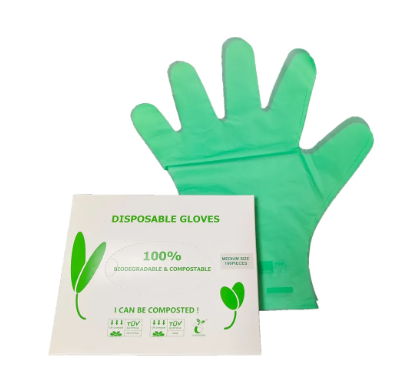
Biodegradable Gloves: A Step Toward a Greener Future

11

Aug

Biodegradable Gloves: A Step Toward a Greener Future

Biodegradable Gloves: A Step Toward a Greener Future In a world grappling with plastic pollution, finding eco-friendly alternatives to everyday products has become more important than ever. Single-use gloves, widely used in healthcare, food service, ...
View More
The Cost-Effectiveness of Compostable Gloves

08

Sep

The Cost-Effectiveness of Compostable Gloves

Transforming Business Sustainability Through Eco-Friendly Hand Protection In today's environmentally conscious business landscape, the shift toward sustainable operational practices has become more than just a trend – it's a necessity. Among the vari...
View More
5 Ways to Reduce Stretch Film Waste in Warehouses

21

Oct

5 Ways to Reduce Stretch Film Waste in Warehouses

Maximizing Efficiency in Warehouse Packaging Operations In today's competitive logistics landscape, warehouses face increasing pressure to optimize their operations while maintaining sustainability goals. One area that often generates significant was...
View More
Are Compostable Gloves Better Than Biodegradable Options?

27

Nov

Are Compostable Gloves Better Than Biodegradable Options?

The growing environmental consciousness in today's marketplace has sparked intense debate about sustainable disposable products, particularly when it comes to protective handwear. While many consumers use the terms interchangeably, compostable gloves...
View More

Get a Free Quote

Our representative will contact you soon.
Email
Name
Company Name
Message
0/1000

compostable plastic garbage bags

Certified Biodegradability for Complete Environmental Safety

Certified Biodegradability for Complete Environmental Safety

Compostable plastic garbage bags achieve complete biodegradation through rigorous certification processes that guarantee environmental safety and performance standards. These bags undergo extensive testing protocols established by international organizations to verify their ability to decompose fully within specified timeframes under controlled composting conditions. The certification process evaluates multiple criteria including disintegration rates, biodegradation levels, chemical composition safety, and ecotoxicity impacts on plant growth and soil health. ASTM D6400 certification ensures bags meet American standards for compostable plastics, requiring 90 percent biodegradation within 180 days and complete disintegration into particles smaller than 2 millimeters. European EN 13432 standards provide additional validation through comprehensive testing that examines biodegradation rates, disintegration properties, chemical safety parameters, and ecotoxicity effects. These certifications require independent laboratory verification and ongoing quality monitoring to maintain compliance status. The biodegradation process transforms bag materials into carbon dioxide, water, and biomass through microbial action, leaving no toxic residues or microplastic contamination. Temperature and moisture conditions in commercial composting facilities optimize decomposition rates, ensuring reliable and predictable breakdown timelines. Home composting compatibility varies by product formulation, with some bags designed specifically for backyard composting systems that operate at lower temperatures. The complete biodegradation process eliminates long-term environmental impacts associated with persistent plastic waste, protecting marine ecosystems, wildlife habitats, and groundwater resources. Regular third-party auditing ensures continued compliance with certification requirements and validates ongoing product performance. Chemical analysis confirms that decomposition byproducts pose no harm to soil organisms, plants, or broader ecosystem functions. This certified biodegradability provides users with confidence that their waste management choices support genuine environmental benefits rather than contributing to greenwashing practices. The comprehensive certification framework distinguishes truly compostable bags from biodegradable products that may leave harmful residues or require specific conditions for proper decomposition.
Superior Strength and Leak-Resistant Construction

Superior Strength and Leak-Resistant Construction

Advanced engineering in compostable plastic garbage bags delivers exceptional strength and leak-resistant performance that rivals or exceeds conventional plastic bag capabilities. The sophisticated polymer matrix utilizes innovative bioplastic formulations that maintain structural integrity while preserving biodegradability characteristics essential for proper composting. Multi-layer construction techniques incorporate reinforcing elements that distribute stress evenly across bag surfaces, preventing tears and punctures during normal handling and disposal activities. Puncture resistance testing demonstrates superior performance against sharp objects, food containers, and irregular waste shapes that typically compromise bag integrity. Tensile strength measurements exceed industry standards for comparable conventional bags, ensuring reliable performance under heavy load conditions up to specified weight limits. The molecular structure of plant-based polymers provides flexibility that accommodates expanding contents while maintaining seam integrity and overall bag cohesion. Specialized sealing techniques create leak-proof bottom and side seams that prevent liquid penetration and spillage during waste collection and transport. Quality control processes include burst testing, drop testing, and load distribution analysis that validate performance specifications under real-world usage conditions. The bags maintain strength characteristics across temperature variations encountered in typical storage and disposal environments, from refrigerated food waste to outdoor collection containers. Moisture resistance prevents degradation during extended storage periods while preserving compostability when exposed to appropriate composting conditions. Advanced manufacturing processes eliminate weak points and inconsistencies that could lead to premature failure during critical usage moments. Laboratory testing confirms that strength properties remain stable throughout the product shelf life when stored under recommended conditions. These performance characteristics ensure user confidence and satisfaction while supporting successful transition from conventional plastic bags without compromising functionality or reliability. The superior construction quality reduces waste bag failures that could create cleanup problems, pest attraction, or sanitation concerns in residential and commercial applications.
Versatile Applications for Complete Waste Management Solutions

Versatile Applications for Complete Waste Management Solutions

Compostable plastic garbage bags provide comprehensive waste management solutions across diverse applications, supporting various sectors in achieving sustainability goals while maintaining operational efficiency. Residential applications include kitchen waste collection, yard waste management, pet waste disposal, and general household organic waste separation systems. Commercial food service operations benefit from specialized sizing options that accommodate high-volume organic waste generation in restaurants, cafeterias, hotels, and catering services. Municipal composting programs integrate these bags seamlessly into existing collection infrastructure, enabling efficient organic waste diversion without requiring significant system modifications. Healthcare facilities utilize compostable bags for non-hazardous organic waste streams, supporting infection control protocols while advancing environmental stewardship initiatives. Educational institutions implement these bags in cafeterias, dormitories, and campus maintenance operations to support sustainability education and waste reduction programs. Retail establishments use compostable bags for produce departments, floral sections, and food court operations, demonstrating environmental responsibility to consumers. Agricultural applications include crop waste collection, composting preparation, and organic matter handling that supports circular agriculture practices. Event management companies deploy these bags for festivals, conferences, and gatherings where large volumes of organic waste require efficient collection and processing. Industrial food processing facilities incorporate compostable bags into waste stream management systems, reducing disposal costs while supporting zero-waste manufacturing goals. Property management companies utilize these bags in apartment complexes, office buildings, and commercial properties to support tenant sustainability programs. The bags accommodate various waste types including food scraps, coffee grounds, tea bags, paper towels, yard trimmings, and other organic materials typically destined for composting facilities. Size variations range from small countertop liners to large outdoor collection bags, ensuring appropriate solutions for different waste volumes and container types. Color coding systems help organizations implement effective waste separation programs that maximize composting efficiency and minimize contamination rates. This versatility enables organizations to develop comprehensive waste management strategies that align with environmental objectives while maintaining practical functionality and cost-effectiveness across all operational requirements.


Get a Free Quote

Our representative will contact you soon.
Email
Name
Company Name
Message
0/1000
email goToTop