compostable plastic carry bags
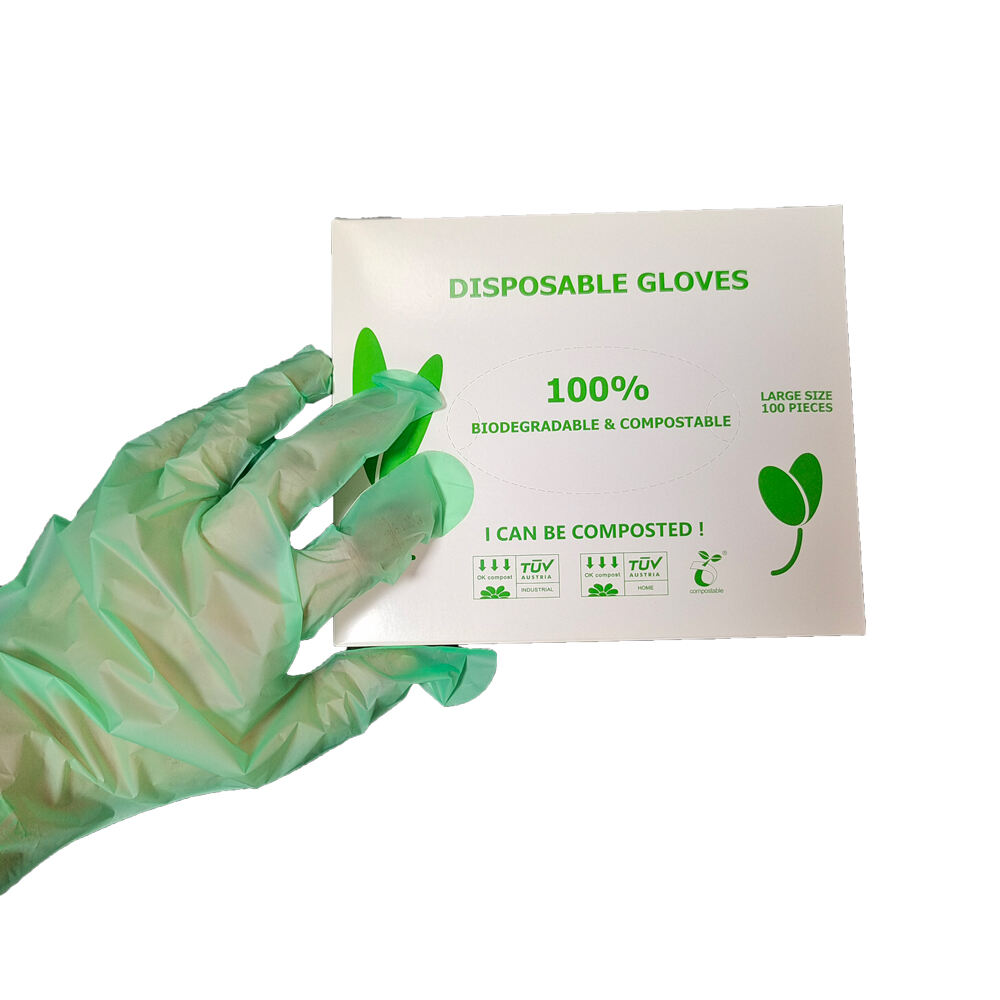
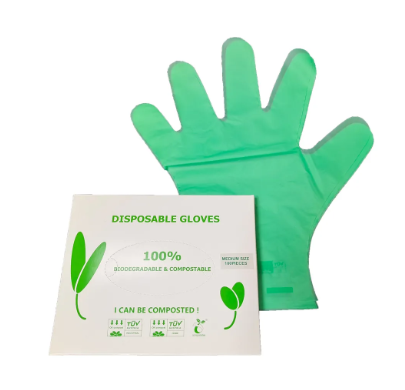
Compostable plastic carry bags represent a revolutionary advancement in sustainable packaging technology, designed to address the growing environmental concerns associated with traditional plastic bags. These innovative bags are manufactured using plant-based materials such as cornstarch, potato starch, and other biodegradable polymers that naturally decompose when exposed to appropriate composting conditions. Unlike conventional plastic bags that persist in the environment for hundreds of years, compostable plastic carry bags break down completely within 90 to 180 days under industrial composting facilities, leaving behind nutrient-rich compost that benefits soil health. The main function of these bags centers on providing reliable carrying capacity while maintaining environmental responsibility, offering consumers and businesses an eco-friendly alternative without compromising durability or functionality. Technological features include advanced molecular structures that ensure strength during use while enabling rapid decomposition after disposal. The manufacturing process involves sophisticated polymer science that creates materials with specific degradation properties, ensuring the bags maintain integrity during their intended lifespan while breaking down efficiently in composting environments. These compostable plastic carry bags find extensive applications across retail sectors, grocery stores, farmers markets, organic food outlets, and eco-conscious businesses seeking to reduce their environmental footprint. They serve identical purposes to traditional plastic bags, including shopping, food storage, waste collection, and general carrying needs, while providing the added benefit of environmental compatibility. The bags can handle various weights and sizes, making them suitable for diverse commercial and residential applications. Their versatility extends to different industries including food service, retail, hospitality, and agriculture, where sustainable packaging solutions are increasingly demanded by environmentally aware consumers and regulatory requirements.

 EN
EN