
 EN
EN
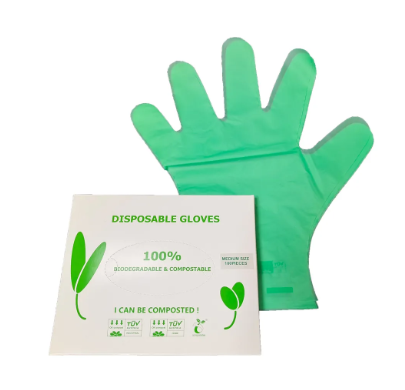
Retail packaging is undergoing a transformative shift as businesses and consumers increasingly demand sustainable alternatives to traditional plastics. Biodegradable bags have emerged as a frontrunner in this movement, offering a practical solution that addresses both environmental concerns and regulatory pressures. The growing traction of biodegradable bags in retail packaging solutions stems from a convergence of consumer awareness, legislative mandates, and corporate sustainability commitments that are reshaping how products are packaged, delivered, and disposed of across global markets.
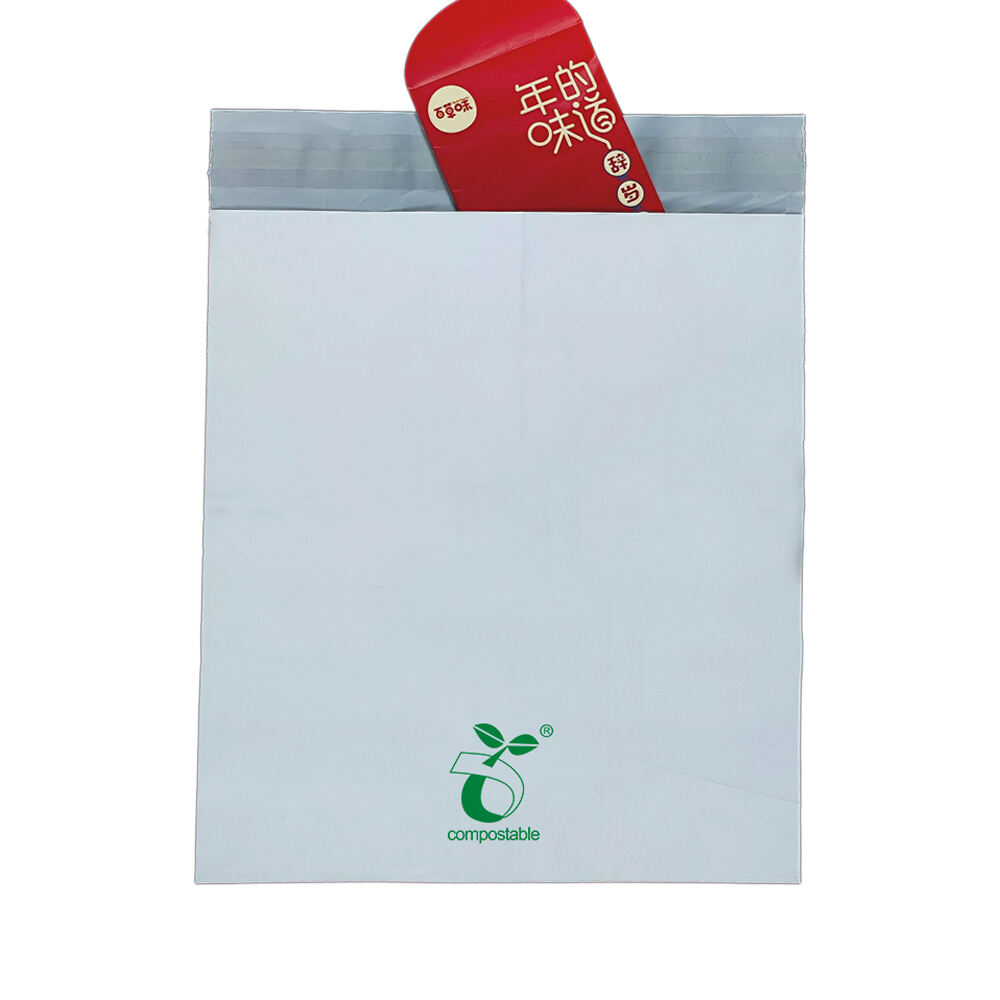
The retail sector faces mounting pressure to reduce its environmental footprint, with packaging waste representing one of the most visible and quantifiable impacts. Biodegradable bags provide retailers with a tangible way to demonstrate environmental responsibility while maintaining the functional performance required for effective product packaging and customer convenience. This article explores the multifaceted reasons driving the adoption of biodegradable bags in retail environments, examining the environmental imperatives, economic considerations, consumer behavior patterns, and regulatory frameworks that are collectively propelling this packaging revolution forward.
Environmental Drivers Behind Biodegradable Bag Adoption
The Plastic Pollution Crisis and Retail's Role
The global plastic pollution crisis has reached critical proportions, with conventional plastic bags contributing significantly to landfill accumulation, ocean contamination, and ecosystem disruption. Retail operations distribute billions of plastic bags annually, creating a direct link between consumer purchasing patterns and environmental degradation. Biodegradable bags offer a compelling alternative because they break down through natural biological processes, significantly reducing persistent waste accumulation. Unlike petroleum-based plastics that can persist in the environment for hundreds of years, biodegradable bags decompose into water, carbon dioxide, and biomass within controlled timeframes, typically ranging from several months to a few years depending on environmental conditions.
Retailers recognize that their packaging choices directly influence waste streams entering municipal systems and natural environments. The visual impact of plastic bag litter in urban spaces, waterways, and coastal areas has heightened public awareness and created reputational risks for businesses perceived as environmentally irresponsible. Biodegradable bags address these concerns by providing an end-of-life solution that aligns with circular economy principles. When properly disposed of in composting facilities or suitable environments, these bags integrate back into natural nutrient cycles rather than fragmenting into microplastics that contaminate soil and water systems.
Carbon Footprint Reduction and Climate Commitments
Corporate climate commitments have become central to business strategy, with many retailers pledging to achieve carbon neutrality or significant emissions reductions within specific timeframes. Biodegradable bags manufactured from plant-based materials such as cornstarch, PLA, or PBAT typically demonstrate lower lifecycle carbon emissions compared to conventional petroleum-based plastics. The production of biodegradable bags utilizes renewable resources that absorb carbon dioxide during growth, partially offsetting manufacturing emissions. This carbon sequestration advantage makes biodegradable bags an attractive option for retailers tracking and reporting scope three emissions associated with their supply chains.
The climate benefits extend beyond raw material sourcing to include reduced energy consumption during production and lower emissions during decomposition. Traditional plastic incineration releases stored carbon accumulated over millions of years, contributing to atmospheric greenhouse gas concentrations. Biodegradable bags, when composted or naturally decomposed, release only recently captured carbon that was absorbed during the growth of source materials. This distinction matters significantly for retailers pursuing science-based targets and seeking third-party verification of their environmental claims. The ability to quantify and communicate carbon advantages provides marketing differentiation while supporting substantive sustainability goals.
Regulatory Pressures Accelerating Market Transformation
Global Bans and Restrictions on Single-Use Plastics
Legislative action has emerged as a powerful catalyst driving biodegradable bag adoption across retail sectors. More than seventy countries have implemented bans or restrictions on single-use plastic bags, with hundreds of municipal and regional jurisdictions enacting additional measures. These regulations typically prohibit conventional plastic bags while creating exemptions or incentives for biodegradable alternatives. Retailers operating in multiple jurisdictions face complex compliance landscapes that make transitioning to biodegradable bags strategically advantageous. Adopting a single biodegradable packaging solution across all locations simplifies operations while ensuring regulatory compliance in increasingly restrictive markets.
The European Union's Single-Use Plastics Directive, China's comprehensive plastic waste management policies, and similar frameworks in India, Canada, and numerous other nations have established clear timelines for phasing out conventional plastic bags. These mandates create both compliance deadlines and competitive advantages for early adopters. Retailers that proactively transition to biodegradable bags position themselves ahead of regulatory curves, avoiding rushed transitions and potential supply chain disruptions when bans take effect. The regulatory momentum shows no signs of slowing, with additional jurisdictions regularly announcing new restrictions that expand the geographic scope and product categories affected by plastic bag prohibitions.
Extended Producer Responsibility and Packaging Fees
Extended Producer Responsibility frameworks increasingly hold retailers accountable for the end-of-life management of packaging materials they distribute. These systems impose fees or disposal obligations on businesses based on packaging volume and environmental impact characteristics. Biodegradable bags often qualify for reduced fees or exemptions within these frameworks, creating direct economic incentives for adoption. The financial calculus shifts dramatically when retailers must internalize waste management costs rather than externalizing them to municipal systems and taxpayers. Biodegradable bags reduce long-term financial liabilities associated with packaging waste while demonstrating compliance with producer responsibility principles.
Certification requirements embedded in many regulatory frameworks further drive biodegradable bag adoption. Standards such as ASTM D6400, EN 13432, and similar specifications establish verifiable criteria for biodegradability and compostability claims. Retailers benefit from using certified biodegradable bags that provide legal protection and marketing credibility. Third-party testing and certification create transparency that protects both businesses and consumers from greenwashing allegations. As regulatory scrutiny of environmental claims intensifies, certified biodegradable bags offer documented compliance that conventional plastics cannot match, reducing legal risks and supporting defensible sustainability communications.
Consumer Behavior and Brand Perception Factors
Rising Environmental Consciousness Among Shoppers
Consumer attitudes toward packaging sustainability have evolved dramatically, with environmental considerations now influencing purchasing decisions across demographic segments. Research consistently demonstrates that substantial consumer majorities prefer businesses offering sustainable packaging options and express willingness to pay premium prices for environmentally responsible products. Biodegradable bags serve as visible symbols of corporate environmental commitment that resonate with values-driven consumers. The tactile experience of receiving purchases in biodegradable bags creates positive brand associations and reinforces retailer positioning as environmentally conscious organizations.
Younger consumer cohorts particularly prioritize sustainability attributes when selecting where to shop and which brands to support. Millennials and Generation Z shoppers demonstrate higher sensitivity to environmental claims and greater likelihood of switching retailers based on sustainability performance. Biodegradable bags function as differentiators in competitive retail environments where product selection and pricing may be similar across competitors. The packaging becomes part of the product experience itself, contributing to overall satisfaction and likelihood of repeat purchases. Retailers recognize that biodegradable bags represent relatively low-cost investments with disproportionate impacts on brand perception and customer loyalty.
Social Media Amplification and Reputation Management
The social media era has amplified the reputational consequences of packaging choices, with consumers actively sharing both praise and criticism of retailer environmental practices. Images of biodegradable bags featuring clear environmental messaging generate positive social media engagement and organic brand advocacy. Conversely, traditional plastic bag usage can trigger negative commentary and viral criticism that damages brand reputation far beyond individual transactions. Biodegradable bags provide social media marketing opportunities while protecting against sustainability-related reputation risks that can emerge suddenly and spread rapidly across digital platforms.
Influencer partnerships and user-generated content campaigns leverage biodegradable bags as tangible evidence of environmental commitment. Retailers strategically design biodegradable bags with distinctive branding and sustainability messaging that encourages sharing and discussion. The bags themselves become marketing tools that extend brand reach beyond store locations into social networks and community conversations. This marketing amplification effect enhances the return on investment for biodegradable bag adoption, transforming a functional packaging component into a strategic communication asset. The visibility and shareability of sustainable packaging choices create marketing value that traditional cost-benefit analyses often overlook.
Economic and Operational Considerations
Total Cost of Ownership and Long-Term Value
While biodegradable bags historically commanded price premiums compared to conventional plastics, the cost differential has narrowed substantially as production volumes increase and manufacturing processes optimize. Comprehensive total cost of ownership analyses must account for factors beyond unit purchase prices, including regulatory compliance costs, waste disposal fees, reputational risks, and customer acquisition benefits. When these broader considerations are incorporated, biodegradable bags frequently demonstrate competitive or superior economic value. Retailers avoiding regulatory penalties, reducing waste management expenses, and capturing environmentally conscious customer segments achieve returns that justify any remaining price differentials.
Supply chain maturation has improved biodegradable bag availability, consistency, and pricing stability. Early adoption periods characterized by limited supplier options and volatile pricing have given way to competitive markets with multiple qualified manufacturers. This supply chain development reduces procurement risks and provides retailers with negotiating leverage. Economies of scale continue driving down production costs as global biodegradable bag volumes expand. Industry projections indicate continued price convergence between biodegradable and conventional options, with some scenarios suggesting cost parity within coming years. Retailers making early commitments to biodegradable bags establish supplier relationships and operational expertise that position them advantageously as markets evolve.
Performance Characteristics and Functional Suitability
Modern biodegradable bags deliver performance characteristics comparable to conventional plastics across metrics critical for retail applications. Tensile strength, moisture resistance, tear resistance, and printability have improved dramatically through material science advances and manufacturing refinements. Retailers can specify biodegradable bags tailored to specific applications, from lightweight produce bags to heavy-duty shopping carriers. The functional performance parity eliminates the operational compromises that hindered earlier biodegradable options, making adoption decisions primarily about sustainability and strategic positioning rather than operational feasibility.
Customization capabilities allow retailers to maintain brand identity and functional requirements while transitioning to biodegradable materials. Printing technologies accommodate full-color graphics, logos, and messaging on biodegradable substrates without sacrificing visual impact. Size variations, handle configurations, and closure mechanisms match the diversity available in conventional plastic bags. This design flexibility ensures that biodegradable bags integrate seamlessly into existing retail operations without requiring modifications to bagging procedures, storage systems, or checkout workflows. The operational continuity reduces implementation barriers and accelerates adoption timelines across retail organizations.
Strategic Positioning and Competitive Advantages
Differentiation in Saturated Market Segments
Retail markets across most categories face intense competition with commoditized product offerings and compressed profit margins. Biodegradable bags provide differentiation opportunities that extend beyond price competition and product selection. Sustainability positioning attracts customer segments prioritizing environmental values while creating barriers to imitation by less committed competitors. The investment required to transition packaging systems, communicate sustainability benefits, and maintain consistent implementation creates competitive moats that protect market share. Retailers establishing sustainability reputations through biodegradable bags and complementary initiatives build brand equity that translates into customer loyalty and pricing power.
Industry leadership positions emerge for retailers visibly committing to biodegradable bags and broader sustainability transformation. First-mover advantages include media attention, industry recognition, and thought leadership platforms that enhance brand visibility. These positioning benefits compound over time as sustainability leadership becomes integral to corporate identity and stakeholder perceptions. Retailers lagging in biodegradable bag adoption face growing disadvantages as competitors establish sustainability credentials and capture environmentally conscious customer segments. The strategic value of biodegradable bags extends beyond operational considerations to encompass competitive positioning in evolving market landscapes.
B2B Relationships and Corporate Procurement Requirements
Business-to-business retail relationships increasingly incorporate sustainability requirements into procurement specifications and vendor evaluation criteria. Corporate buyers, institutional purchasers, and franchise operators specify biodegradable bags as standard requirements when selecting retail partners or establishing supply agreements. Retailers offering biodegradable bags access these lucrative B2B channels while those continuing conventional plastics face exclusion from growing market segments. The sustainability expectations in B2B contexts often exceed consumer market standards, creating additional pressure for biodegradable bag adoption among retailers serving business customers.
Supply chain transparency requirements accompanying B2B relationships favor biodegradable bags with documented environmental credentials. Corporate sustainability reporting frameworks require retailers to disclose packaging materials, environmental impacts, and improvement initiatives. Biodegradable bags provide quantifiable sustainability metrics that strengthen reporting quality and demonstrate progress toward environmental targets. The data transparency and verification capabilities associated with certified biodegradable bags satisfy the due diligence requirements of institutional buyers and corporate procurement departments. These B2B dynamics create adoption pressures distinct from consumer-facing considerations but equally influential in driving biodegradable bag market growth.
FAQ
What makes biodegradable bags different from traditional plastic bags in retail settings?
Biodegradable bags are manufactured from renewable plant-based materials such as cornstarch, PLA, or PBAT that decompose naturally through biological processes, whereas traditional plastic bags are petroleum-based polymers that persist in environments for centuries. The biodegradable alternatives break down into water, carbon dioxide, and organic matter under appropriate conditions, typically within months to a few years. This fundamental difference addresses the waste accumulation and pollution concerns associated with conventional plastics while maintaining comparable strength, durability, and functionality for retail packaging applications. The decomposition characteristics make biodegradable bags compatible with composting systems and reduce long-term environmental impacts.
How do regulatory requirements influence retailer decisions about biodegradable bags?
Regulatory frameworks including outright bans on single-use plastics, extended producer responsibility systems, and packaging waste fees create both compliance obligations and economic incentives for biodegradable bag adoption. Many jurisdictions exempt biodegradable bags from restrictions affecting conventional plastics or impose reduced fees within producer responsibility schemes. Retailers operating across multiple markets find standardizing on biodegradable bags simplifies compliance management compared to maintaining different packaging systems for different regulatory environments. The global trend toward stricter plastic regulations makes proactive biodegradable bag adoption strategically prudent, positioning retailers ahead of regulatory curves and avoiding rushed transitions when new restrictions take effect.
Do consumers actually prefer retailers using biodegradable bags over conventional options?
Consumer research consistently demonstrates strong preferences for sustainable packaging, with majorities across demographic segments expressing favorable attitudes toward retailers using biodegradable bags. Environmental consciousness particularly influences younger consumers who prioritize sustainability when selecting where to shop and exhibit greater brand loyalty toward environmentally responsible retailers. The preference translates into tangible business impacts including increased foot traffic, higher transaction values, and positive word-of-mouth marketing. Social media amplification extends the reputational benefits as consumers share positive experiences with sustainable retailers. While price and product selection remain primary purchase drivers, packaging sustainability functions as an important differentiator when consumers choose between comparable retail options.
Are biodegradable bags cost-competitive with traditional plastic bags for retail use?
The price gap between biodegradable bags and conventional plastic options has narrowed substantially as production volumes increase and manufacturing processes improve. While unit costs for biodegradable bags may still exceed conventional plastics in some contexts, total cost of ownership analyses reveal competitive economics when accounting for regulatory compliance costs, waste disposal fees, reputation management, and customer acquisition benefits. Many retailers find the comprehensive value proposition justifies any remaining price differential, particularly when considering the strategic positioning and competitive advantages biodegradable bags provide. Industry trends indicate continued cost convergence with projections suggesting near parity as biodegradable bag markets mature and scale economies fully materialize.
Table of Contents
- Environmental Drivers Behind Biodegradable Bag Adoption
- Regulatory Pressures Accelerating Market Transformation
- Consumer Behavior and Brand Perception Factors
- Economic and Operational Considerations
- Strategic Positioning and Competitive Advantages
-
FAQ
- What makes biodegradable bags different from traditional plastic bags in retail settings?
- How do regulatory requirements influence retailer decisions about biodegradable bags?
- Do consumers actually prefer retailers using biodegradable bags over conventional options?
- Are biodegradable bags cost-competitive with traditional plastic bags for retail use?

