Revolutionary Visual Detection Technology for Enhanced Food Safety
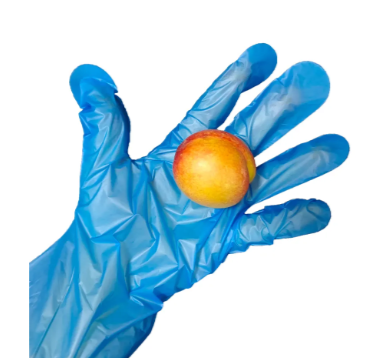
The groundbreaking visual detection technology incorporated into blue food prep gloves represents a paradigm shift in food safety management, addressing one of the most persistent challenges in commercial food preparation environments. This innovative color selection stems from extensive research into food contamination detection, where scientists determined that blue provides the highest contrast against the vast majority of food products encountered in professional kitchens. Unlike traditional clear or white gloves that can virtually disappear when fragments break off into food, blue food prep gloves create an immediately noticeable visual signature that enables rapid identification and removal of potential contaminants. This technology becomes particularly crucial in high-volume operations where thousands of meals are prepared daily, and even a single contamination incident could result in serious health consequences, legal liability, and reputational damage. The distinctive blue coloration works effectively across diverse food categories, from light-colored items like bread, rice, and dairy products to darker ingredients such as meat, vegetables, and sauces, ensuring consistent detectability regardless of the food preparation context. Quality control personnel can quickly scan food products during various preparation stages, identifying any glove fragments before they progress further through the food chain. This visual detection capability extends beyond the kitchen environment, as serving staff and customers can also spot blue particles if any somehow escape initial detection protocols. The psychological impact of this technology cannot be understated, as it provides peace of mind to food service managers, health inspectors, and consumers who can visually confirm the absence of glove contamination. Implementation of blue food prep gloves with visual detection technology demonstrates a proactive commitment to food safety that often exceeds regulatory requirements, positioning establishments as industry leaders in consumer protection. The technology also facilitates more efficient training programs, as new kitchen staff can easily understand and implement contamination detection procedures without requiring extensive technical knowledge or specialized equipment.

 EN
EN