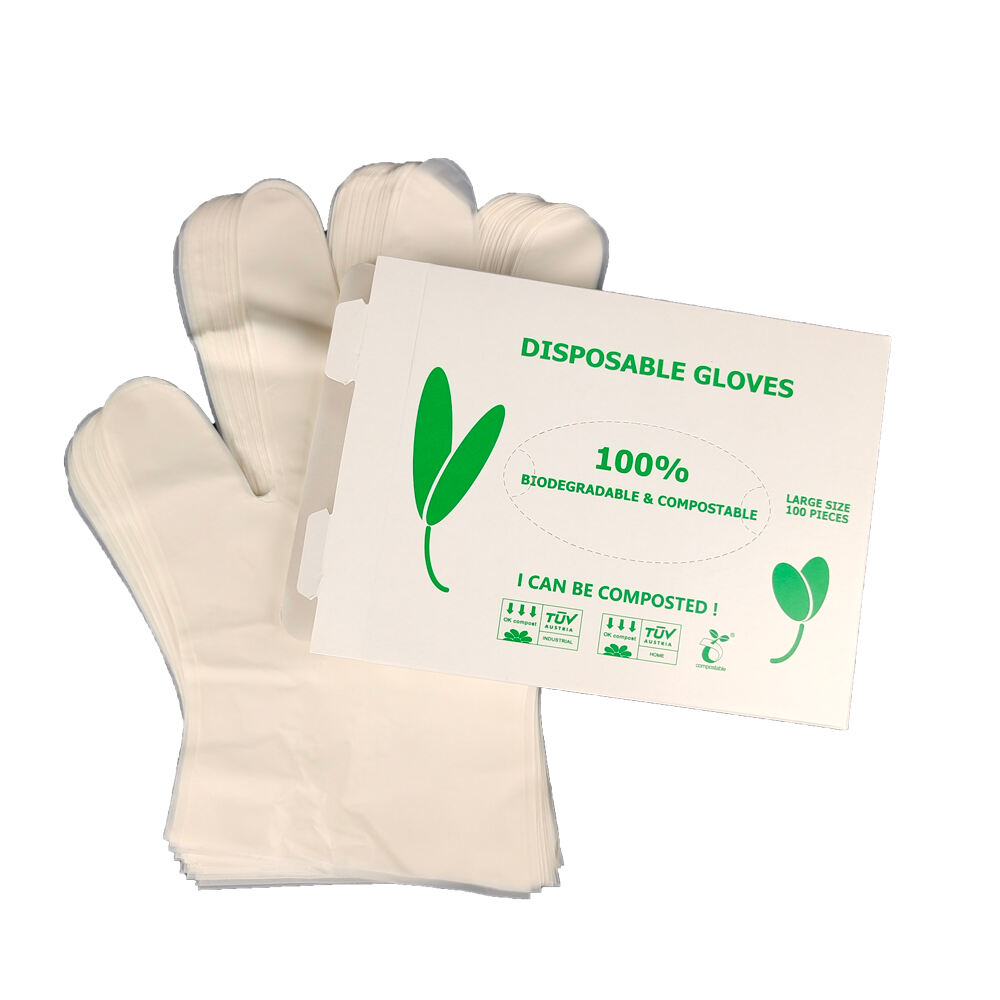
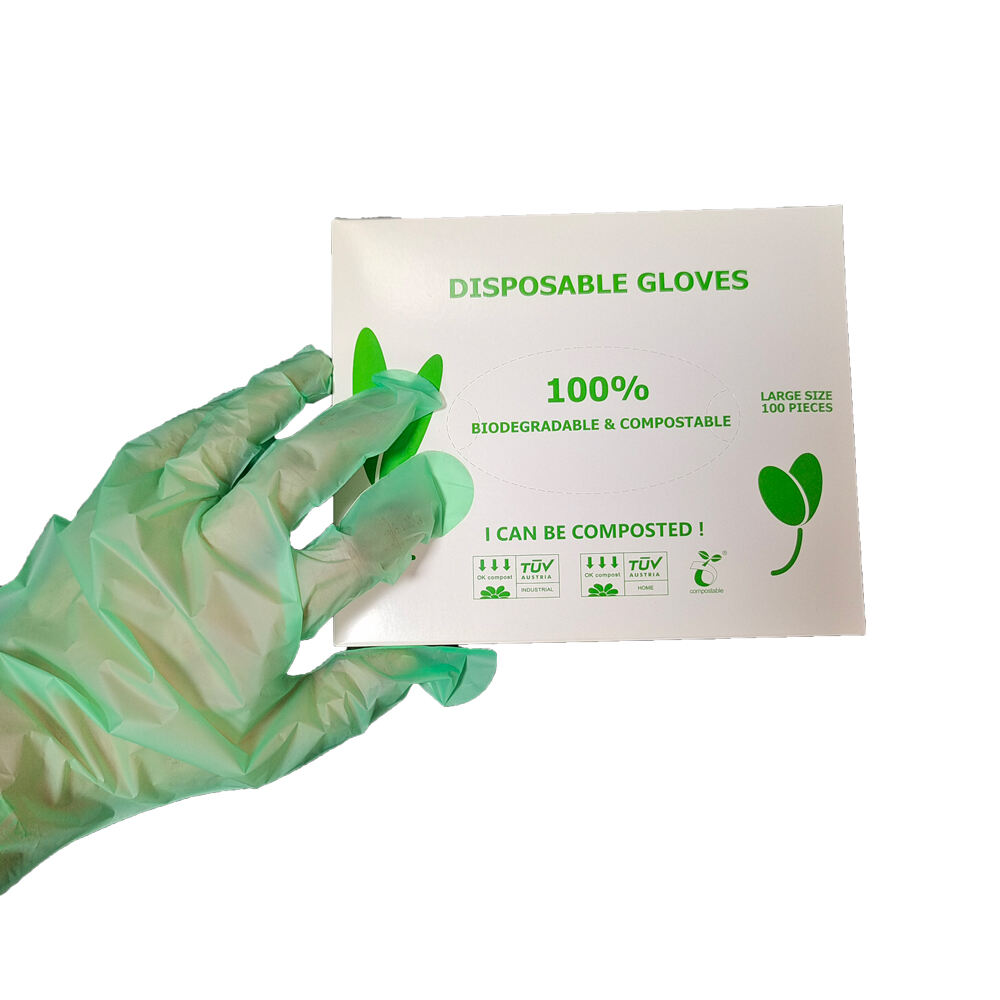
compostable rubber gloves
Compostable rubber gloves represent a revolutionary advancement in sustainable protective wear, combining traditional functionality with environmental responsibility. These innovative gloves are manufactured using natural rubber latex derived from sustainable sources, specifically engineered to decompose naturally in composting environments without leaving harmful residues. The main functions of compostable rubber gloves include providing excellent barrier protection against chemicals, biological contaminants, and general workplace hazards while maintaining the tactile sensitivity and flexibility that professionals require. The technological features of these gloves incorporate advanced polymer science that ensures the rubber material breaks down completely through microbial action when exposed to appropriate composting conditions. This decomposition process typically occurs within 90 to 180 days in industrial composting facilities, significantly faster than conventional synthetic alternatives. The manufacturing process utilizes natural coagulants and vulcanization techniques that eliminate synthetic additives commonly found in traditional rubber gloves. Applications for compostable rubber gloves span multiple industries including healthcare facilities, food service establishments, cleaning services, automotive workshops, and laboratory environments. Medical professionals use these gloves during patient examinations, surgical procedures, and diagnostic testing while knowing their choice supports environmental sustainability. Food handlers appreciate the combination of safety compliance and ecological consciousness these gloves provide. Cleaning professionals benefit from the chemical resistance properties while contributing to waste reduction initiatives. The gloves feature textured surfaces for enhanced grip, ambidextrous designs for convenience, and multiple thickness options to suit various applications. Quality standards ensure these compostable rubber gloves meet or exceed traditional performance benchmarks including puncture resistance, tensile strength, and barrier effectiveness. The production process emphasizes renewable resource utilization, reducing dependency on petroleum-based materials while maintaining professional-grade protection standards that users expect from premium protective equipment.

 EN
EN