compostable food prep gloves
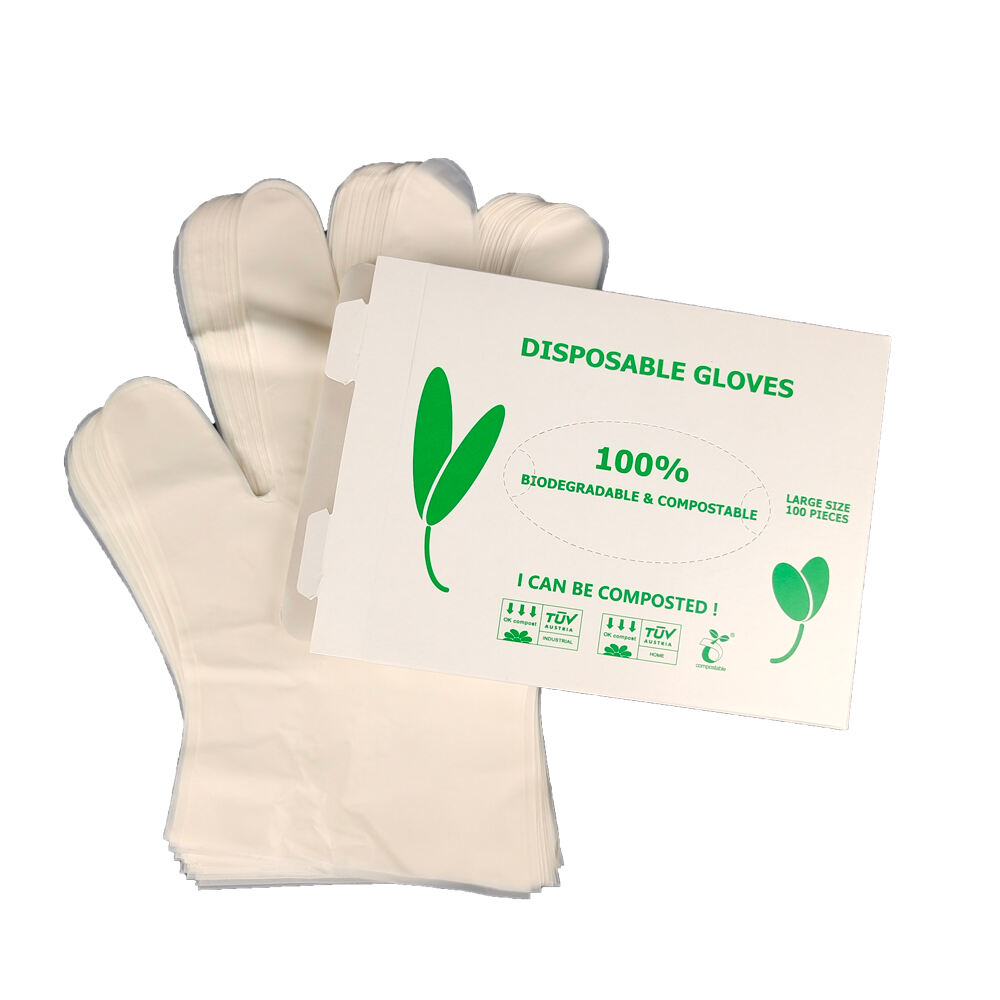
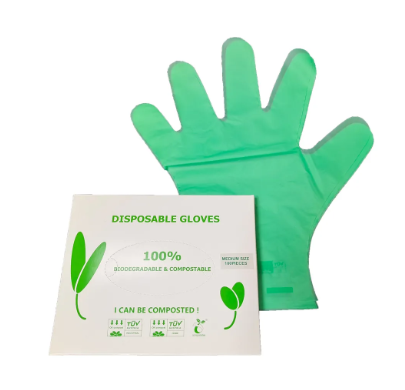
Compostable food prep gloves represent a revolutionary advancement in sustainable kitchen safety equipment, designed to meet the growing demand for environmentally responsible foodservice solutions. These innovative gloves combine the essential protective functions of traditional disposable gloves with complete biodegradability, offering food industry professionals an eco-friendly alternative that maintains the highest standards of hygiene and safety. Manufactured using plant-based materials such as cornstarch, potato starch, and other renewable polymers, compostable food prep gloves decompose naturally within industrial composting facilities, typically breaking down completely within 90 to 180 days under proper composting conditions. The technological features of these gloves include advanced barrier protection against bacteria, viruses, and contaminants while maintaining excellent tactile sensitivity for precise food handling tasks. The material composition ensures powder-free construction, reducing the risk of allergic reactions commonly associated with latex alternatives. These gloves feature textured fingertips for enhanced grip performance, allowing food service workers to handle wet, oily, or slippery ingredients with confidence and control. The ambidextrous design provides universal fit compatibility, streamlining inventory management for commercial kitchens and food preparation facilities. Thickness specifications typically range from 3.5 to 5.0 mils, providing adequate puncture resistance for standard food preparation activities while maintaining flexibility for extended wear. Applications span across diverse food industry sectors including restaurants, catering services, food manufacturing plants, grocery stores, bakeries, and institutional kitchens. Healthcare food services, school cafeterias, and home cooking enthusiasts increasingly adopt compostable food prep gloves as awareness of environmental impact grows. The gloves meet FDA food contact requirements and comply with international food safety standards, ensuring they provide equivalent protection to conventional synthetic alternatives while supporting circular economy principles and reducing plastic waste accumulation in landfills and marine environments.

 EN
EN