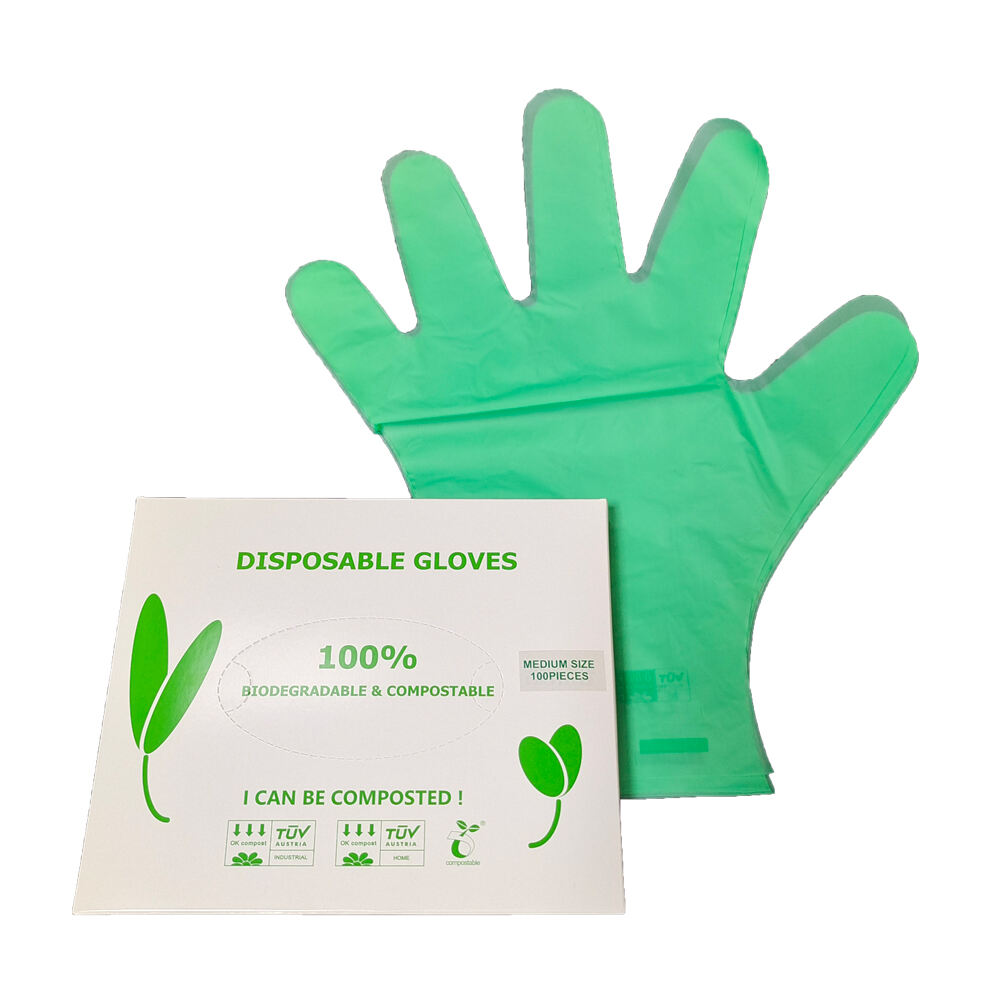
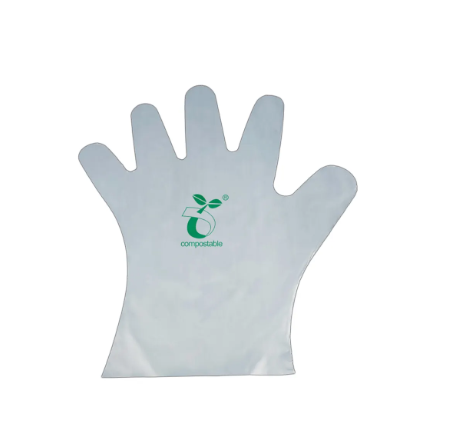
Premium Compostable Gloves - Eco-Friendly Disposable Hand Protection with Superior Performance

All Categories

compostable gloves

Compostable gloves represent a revolutionary advancement in disposable hand protection, combining essential safety features with environmental responsibility. These innovative gloves are manufactured using plant-based materials and biodegradable polymers that naturally decompose in commercial composting facilities within 90 to 180 days. Unlike traditional latex, nitrile, or vinyl gloves that persist in landfills for decades, compostable gloves break down into nutrient-rich soil amendments without leaving harmful residues. The primary function of compostable gloves centers on providing reliable barrier protection against contaminants, chemicals, and biological hazards while maintaining tactile sensitivity and dexterity. Advanced manufacturing processes ensure these gloves meet stringent safety standards comparable to conventional disposable gloves. The technological features include enhanced grip texturing, puncture resistance, and chemical compatibility across various applications. Manufacturing utilizes renewable resources such as corn starch, natural rubber compounds, and other biodegradable materials that undergo specialized processing to achieve optimal strength and flexibility. These gloves maintain structural integrity during use while ensuring complete biodegradation after disposal. Applications span numerous industries including healthcare, food service, laboratory work, cleaning services, and personal care. Healthcare professionals rely on compostable gloves for patient examinations and medical procedures, while food service workers use them to maintain hygiene standards during food preparation and handling. Laboratory technicians appreciate the chemical resistance properties when handling various substances and specimens. The manufacturing process incorporates sustainable practices, reducing carbon footprint compared to petroleum-based alternatives. Quality control measures ensure consistent performance standards while maintaining environmental benefits. Compostable gloves provide an effective solution for organizations seeking to reduce waste impact without compromising safety requirements or operational efficiency.

Popular Products

Compostable gloves deliver significant environmental benefits that address growing concerns about plastic waste accumulation in landfills and oceans. Traditional disposable gloves contribute millions of tons of non-biodegradable waste annually, whereas compostable alternatives eliminate this environmental burden through complete biodegradation. Organizations adopting compostable gloves demonstrate corporate responsibility while meeting sustainability goals and regulatory requirements. The cost-effectiveness becomes apparent when considering long-term waste management expenses and potential environmental compliance costs. Many regions implement stricter waste disposal regulations that favor biodegradable products, making compostable gloves a forward-thinking investment. Performance characteristics match or exceed conventional gloves in key areas including tear resistance, puncture protection, and barrier effectiveness. Users experience identical tactile sensitivity and manual dexterity, ensuring no compromise in operational efficiency or safety standards. The manufacturing process creates jobs in sustainable industries while supporting agricultural communities that supply raw materials. Supply chain transparency allows organizations to trace product origins and verify sustainable sourcing practices. Health benefits include reduced exposure to synthetic chemicals commonly found in petroleum-based gloves, particularly beneficial for individuals with latex allergies or chemical sensitivities. Compostable gloves undergo rigorous testing to ensure biocompatibility and skin safety. Disposal convenience eliminates complex waste segregation requirements since these gloves integrate seamlessly with organic waste streams. Commercial composting facilities readily accept compostable gloves, transforming them into valuable soil conditioners within established timeframes. The versatility extends across temperature ranges and chemical exposures, maintaining performance in diverse working conditions. Storage requirements remain minimal with extended shelf life comparable to traditional alternatives. Regulatory approval from major health and safety organizations validates their effectiveness in critical applications. Brand reputation enhancement occurs as consumers increasingly prefer environmentally conscious suppliers and service providers. Market differentiation becomes possible through sustainable product offerings that appeal to environmentally aware customers. Training requirements remain unchanged since compostable gloves function identically to conventional options during use. The transition process proves straightforward with minimal adjustment periods for existing workflows and procedures.

Tips And Tricks

2025 Guide: How to Choose the Right Stretch Film

21

Oct

2025 Guide: How to Choose the Right Stretch Film

Understanding Modern Stretch Film Technology and Applications The landscape of packaging solutions continues to evolve, and stretch film remains at the forefront of innovative industrial packaging materials. As we approach 2025, the technology behind...
View More
5 Ways to Reduce Stretch Film Waste in Warehouses

21

Oct

5 Ways to Reduce Stretch Film Waste in Warehouses

Maximizing Efficiency in Warehouse Packaging Operations In today's competitive logistics landscape, warehouses face increasing pressure to optimize their operations while maintaining sustainability goals. One area that often generates significant was...
View More
How to Choose the Best Compostable Gloves: Expert Tips

27

Nov

How to Choose the Best Compostable Gloves: Expert Tips

The growing emphasis on environmental sustainability has revolutionized the disposable glove industry, with compostable gloves emerging as a game-changing alternative to traditional latex and vinyl options. These innovative products offer the same pr...
View More
Compostable Gloves: A Sustainable Choice for Restaurants

27

Nov

Compostable Gloves: A Sustainable Choice for Restaurants

The food service industry is experiencing a transformative shift toward sustainable practices, with restaurants increasingly seeking eco-friendly alternatives to traditional disposables. Among the most significant changes is the adoption of compostab...
View More

Get a Free Quote

Our representative will contact you soon.
Email
Name
Company Name
Message
0/1000

compostable gloves

Complete Environmental Biodegradation Process

Complete Environmental Biodegradation Process

The complete environmental biodegradation process sets compostable gloves apart from all conventional disposable alternatives through scientifically verified decomposition that transforms waste into beneficial soil nutrients. This remarkable process begins immediately upon disposal in commercial composting facilities where controlled temperature, moisture, and microbial conditions accelerate natural breakdown. Within the first 30 days, compostable gloves begin structural degradation as specialized enzymes and microorganisms break down plant-based polymers into smaller molecular components. The second phase, occurring between 30 to 90 days, witnesses rapid decomposition where remaining materials integrate with organic matter to form humus-rich compost. Final biodegradation completes within 180 days maximum, leaving zero synthetic residues or microplastics that could harm soil ecosystems or enter food chains. Independent laboratory testing confirms that compostable gloves meet ASTM D6400 and EN 13432 international standards for compostability, ensuring legitimate environmental claims backed by scientific validation. The biodegradation process produces beneficial outcomes including improved soil structure, enhanced water retention capacity, and increased nutrient availability for plant growth. This closed-loop system transforms waste into valuable resources, supporting circular economy principles while eliminating long-term environmental liabilities. Organizations utilizing compostable gloves contribute directly to waste reduction goals and carbon footprint minimization through this natural decomposition process. The process remains consistent across various composting environments, from large-scale municipal facilities to smaller commercial operations, ensuring reliable biodegradation regardless of disposal location. Quality assurance protocols monitor decomposition rates and final compost quality to maintain environmental integrity. The transformation process creates no toxic byproducts or harmful emissions, contrasting sharply with incineration or landfill disposal of synthetic alternatives. Soil enrichment occurs through the release of organic carbon, nitrogen, and other essential nutrients that support healthy plant growth and ecosystem development. This biodegradation advantage provides measurable environmental impact reduction that organizations can quantify and report in sustainability metrics, supporting corporate environmental responsibility initiatives and regulatory compliance requirements.
Superior Chemical and Puncture Resistance Technology

Superior Chemical and Puncture Resistance Technology

Superior chemical and puncture resistance technology incorporated into compostable gloves delivers exceptional protection through advanced material engineering that surpasses traditional disposable glove performance in critical safety applications. The innovative polymer structure combines natural rubber compounds with reinforced plant-based materials to create barrier properties that resist penetration from acids, bases, solvents, and biological contaminants. Puncture resistance testing demonstrates superior performance compared to standard nitrile and latex alternatives, with enhanced thickness consistency that prevents weak points or manufacturing defects. The molecular structure of compostable materials creates interlocking polymer chains that distribute stress forces evenly across glove surfaces, preventing tears and punctures during demanding tasks. Chemical compatibility extends across pH ranges from 2 to 12, providing reliable protection when handling aggressive cleaning agents, laboratory chemicals, and industrial solvents. The resistance technology maintains effectiveness throughout extended wear periods without degradation or brittleness that could compromise protective barriers. Surface texturing enhances grip security while maintaining tactile sensitivity essential for precise manual tasks in medical, laboratory, and food service applications. The technology incorporates antimicrobial properties that inhibit bacterial growth on glove surfaces, reducing cross-contamination risks and extending safe usage periods. Manufacturing precision ensures consistent wall thickness and uniform material distribution, eliminating thin spots that could lead to barrier failures. Quality control testing includes accelerated aging protocols that verify long-term performance stability under various storage and usage conditions. The resistance properties remain stable across temperature fluctuations from refrigeration to moderate heat exposure, ensuring reliable protection in diverse working environments. Advanced polymer cross-linking creates molecular bonds that strengthen under stress while maintaining flexibility and comfort during extended wear. The technology prevents protein migration and allergen transmission, making compostable gloves suitable for individuals with latex sensitivities or chemical allergies. Performance validation through independent testing laboratories confirms protection levels meet or exceed industry safety standards for disposable gloves. The resistance technology extends to oils, greases, and petroleum products commonly encountered in automotive, manufacturing, and maintenance applications, providing versatile protection across multiple industries and use cases.
Seamless Integration with Existing Workflows

Seamless Integration with Existing Workflows

Seamless integration with existing workflows represents a crucial advantage that enables organizations to adopt compostable gloves without disrupting established procedures, training protocols, or operational efficiency standards. The transition process requires minimal adjustment periods since compostable gloves function identically to conventional alternatives during actual use, maintaining familiar tactile properties, sizing standards, and application methods that workers already understand. Storage requirements remain unchanged with comparable shelf life expectations and identical packaging configurations that fit existing inventory management systems without modification. The gloves maintain consistent sizing across international standards, ensuring proper fit and protection levels that workers expect from their personal protective equipment. Dispensing systems accommodate compostable gloves without mechanical adjustments or specialized equipment installations, allowing immediate implementation through existing glove dispensers and storage units. Training requirements stay minimal since usage techniques, donning procedures, and safety protocols remain identical to current practices, eliminating costly retraining programs or extended learning curves. Supply chain integration proves straightforward with established distributors offering compostable alternatives through existing ordering systems and delivery schedules. Quality assurance processes require no modifications since compostable gloves undergo identical inspection and testing procedures to verify protection standards and performance consistency. Inventory rotation follows standard practices with clear expiration dating and storage condition requirements that align with current warehouse management protocols. The integration extends to waste management procedures where compostable gloves simply redirect from regular trash streams to organic waste collection systems already present in many facilities. Compliance documentation remains streamlined since compostable gloves meet identical safety certifications and regulatory requirements as traditional options, maintaining audit readiness and inspection protocols. Performance monitoring utilizes existing metrics and evaluation criteria, allowing continued assessment of protection effectiveness and user satisfaction without developing new measurement systems. The integration process supports gradual transition schedules that accommodate budget cycles and procurement planning, enabling phased implementation across different departments or facility locations. Technical specifications match industry standards for thickness, strength, and barrier properties, ensuring compatibility with existing standard operating procedures and safety requirements. Cost accounting systems require minimal adjustments since compostable gloves integrate into existing procurement categories and expense tracking mechanisms, maintaining budget transparency and financial planning accuracy throughout the adoption process.

Get a Free Quote

Our representative will contact you soon.
Email
Name
Company Name
Message
0/1000
email goToTop