gants de travail jetables
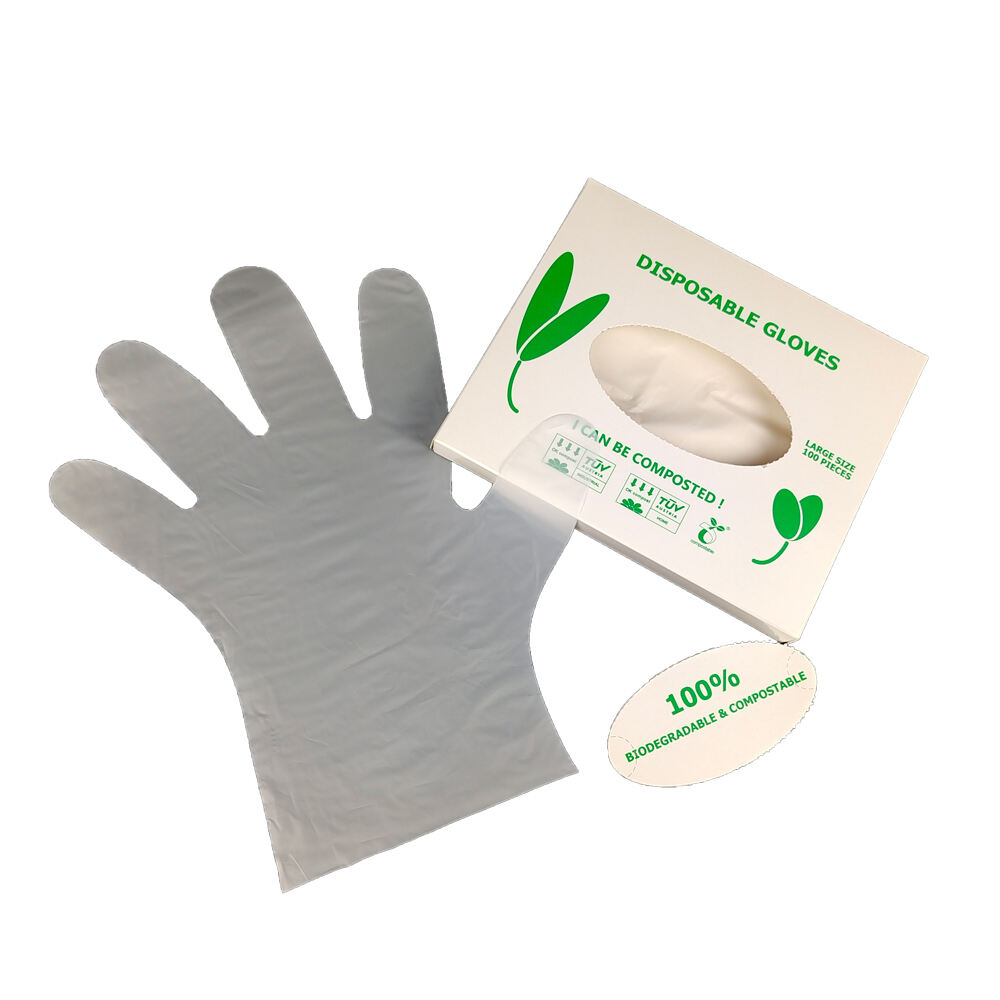
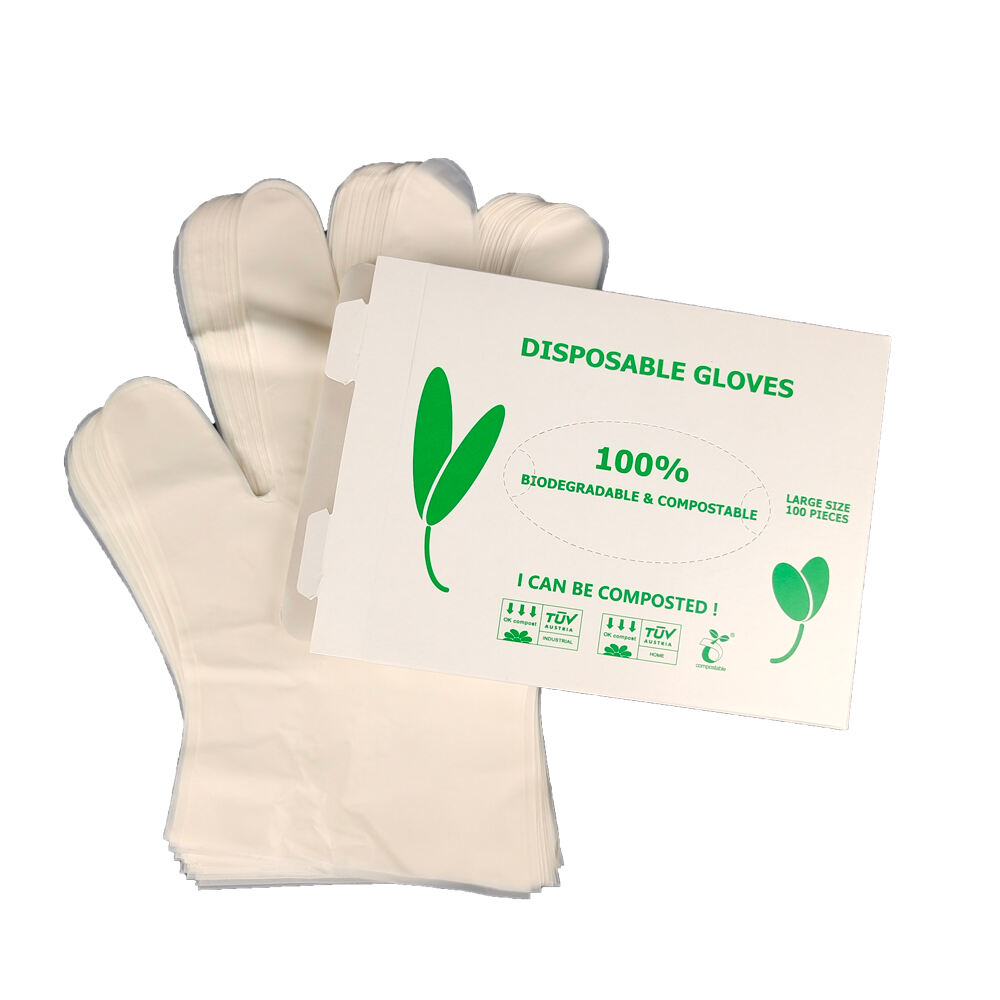
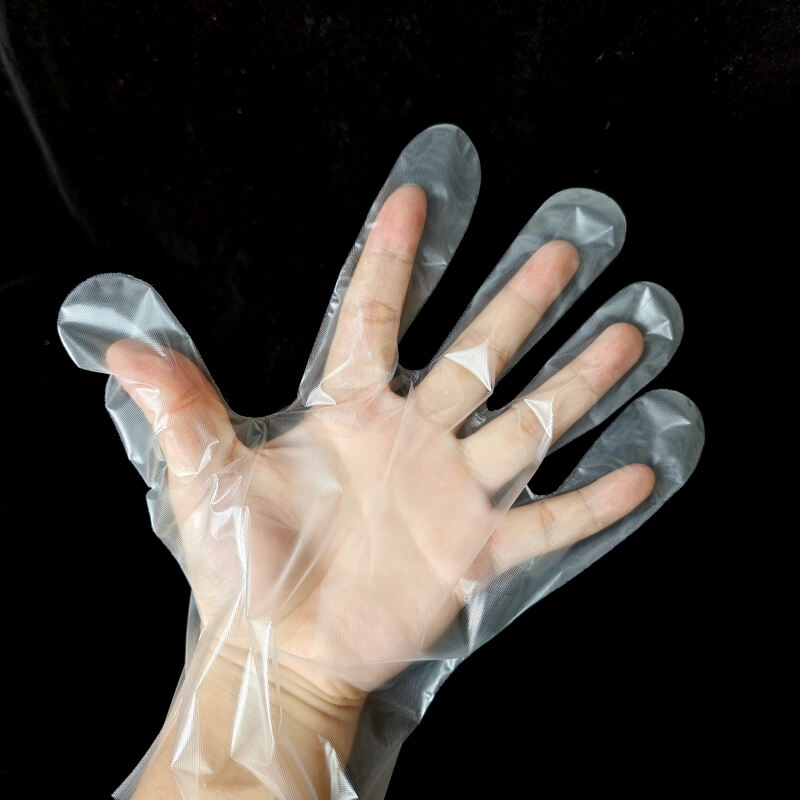
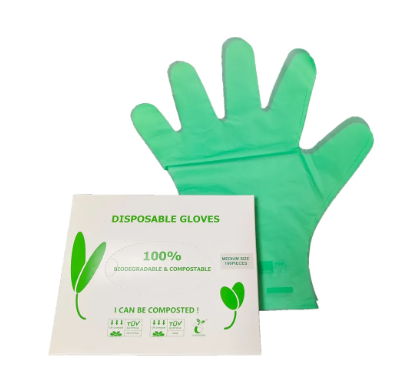
Les gants de travail jetables constituent un élément essentiel des protocoles modernes de sécurité en milieu professionnel, servant de première ligne de défense contre divers risques professionnels dans de nombreuses industries. Ces solutions de protection des mains à usage unique sont conçues à partir de matériaux avancés tels que le nitrile, le latex, le vinyle et le polyéthylène, chacun offrant des propriétés protectrices spécifiques adaptées à des besoins particuliers sur le lieu de travail. La fonction principale des gants de travail jetables repose sur la protection barrière, empêchant tout contact direct de la peau avec des produits chimiques, des contaminants biologiques, des objets tranchants et des surfaces abrasives, tout en conservant la sensibilité tactile nécessaire aux tâches de précision. Les procédés de fabrication intègrent des technologies polymériques de pointe afin d'assurer une épaisseur uniforme, une élasticité optimale et une résistance fiable aux perforations. Ces gants présentent des surfaces texturées sur les bouts des doigts et les paumes afin d'améliorer l'adhérence dans des conditions sèches comme humides, tandis que leurs conceptions ambidextres éliminent toute confusion lors des procédures d'enfilage rapides. Les mesures de contrôle qualité comprennent des tests approfondis de résistance à la traction, d'allongement et d'intégrité de la barrière afin de répondre aux normes internationales strictes en matière de sécurité. Leurs applications s'étendent aux établissements de santé, où les gants de travail jetables protègent contre les agents pathogènes transmissibles par le sang, aux établissements de restauration nécessitant des pratiques d'hygiène rigoureuses, aux ateliers automobiles manipulant huiles et solvants, aux services d'entretien gérant des produits chimiques de nettoyage, ainsi qu'aux environnements industriels impliquant des opérations de montage. Les laboratoires comptent sur les gants de travail jetables pour la manipulation d'échantillons et l'analyse chimique, tandis que les ouvriers du bâtiment les utilisent pour se protéger contre la poussière de ciment et les matériaux rugueux. La polyvalence des gants de travail jetables s'étend à l'usage domestique, notamment pour le jardinage, les travaux de peinture et les tâches de nettoyage courantes. Les formulations modernes répondent aux préoccupations fréquentes d'allergies grâce à des options sans poudre et à des alternatives synthétiques au latex naturel, permettant ainsi d'accommoder les utilisateurs sensibles tout en maintenant une efficacité protectrice. Les innovations en matière d'emballage incluent des systèmes de distribution pratiques et des options d'emballage individuel afin d'éviter la contamination croisée et d'assurer une présentation stérile lorsque cela est requis.

 EN
EN