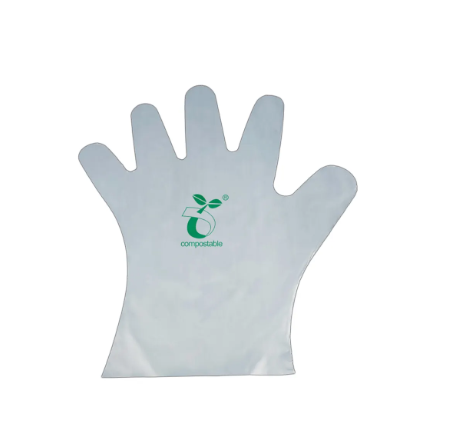
gloves for handling raw meat
Gloves for handling raw meat represent an essential protective barrier in food preparation environments, designed specifically to maintain hygiene standards while ensuring user safety during meat processing activities. These specialized protective gloves serve multiple critical functions including contamination prevention, cross-contamination elimination, and hand protection from sharp bones, juices, and potential bacterial exposure. The primary technological features of gloves for handling raw meat include advanced polymer construction, typically utilizing nitrile, vinyl, or specialized food-grade materials that resist punctures and tears while maintaining flexibility. These gloves incorporate textured surfaces for enhanced grip control, allowing users to maintain secure handling of slippery raw meat products without compromising safety. The manufacturing process involves multi-layer construction techniques that create impermeable barriers against liquids and bacteria, while powder-free formulations prevent contamination of food products. Applications for gloves for handling raw meat extend across various sectors including commercial kitchens, butcher shops, meat processing facilities, restaurants, catering services, and home cooking environments. Professional chefs rely on these gloves during meat preparation to maintain sanitary conditions and comply with health regulations. Butchers utilize heavy-duty versions that provide additional protection against sharp cutting tools and bone fragments. The gloves feature ambidextrous designs for universal fit, rolled cuffs for easy donning and secure wrist coverage, and disposable construction for single-use applications that eliminate cleaning requirements. Advanced models incorporate antimicrobial treatments that actively resist bacterial growth on glove surfaces. The thickness specifications range from lightweight options for delicate tasks to heavy-duty variants for intensive meat processing operations. Quality gloves for handling raw meat undergo rigorous testing for puncture resistance, chemical compatibility, and food safety compliance, ensuring they meet stringent industry standards and regulatory requirements for food service applications.

 EN
EN